
When Agriculture Returns as the Saviour of the Economy
Amid global economic uncertainties, trade wars, weakening world commodity prices, and increasingly evident climate change threats, Indonesia has received good news from a sector long regarded as “traditional”.
Data from the Central Statistics Agency (BPS) announced this week shows that Indonesia’s economy grew by 5.61% year-on-year in the first quarter of 2026, higher than the same period last year at 4.87%.
Behind these figures, the agriculture sector is once again demonstrating its strategic role.
BPS recorded that agriculture grew by 4.97% in the first quarter of 2026 and became one of the five main contributors to national gross domestic product with a share of 12.67%.
In Indonesia’s economic structure, this contribution is very significant because it absorbs millions of workers while supporting rural purchasing power.
For years, agriculture has often been positioned as a complementary sector in the national development narrative.
The main focus has been more directed towards manufacturing industry, mineral downstreaming, and the digital economy.
However, experiences from recent years show that when the world faces turmoil, the food sector becomes the most shock-resistant foundation.
This condition is clearly evident in the first quarter 2026 economic growth. When the world is still overshadowed by economic slowdowns and geopolitical tensions, Indonesia’s agriculture sector remains stably growing at nearly 5%.
This is not a small figure. In an economy as large as Indonesia’s, a 4.97% increase means that food production, horticulture, livestock, and plantation activities are very active in many regions.
Several rice-producing centres have experienced better harvests than the previous year due to relatively more stable weather conditions following El Niño.
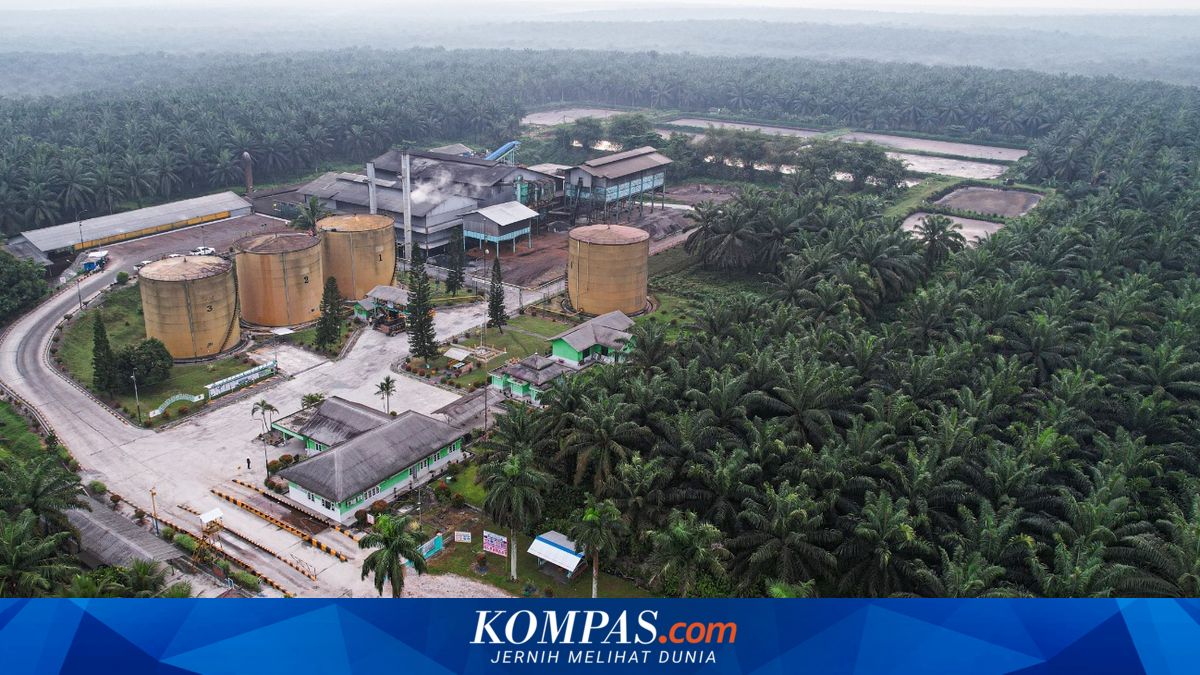
Palm oil production is also starting to increase along with improvements in productivity and globally competitive prices.
Interestingly, the agriculture sector is no longer standing alone. It is connected to the growth of other sectors, particularly trade, logistics, food and beverages, and processing industries.
BPS recorded that the processing industry grew by 5.04% and trade grew by 6.26% in the first quarter of 2026.
This interconnectedness creates a multiplier effect.
When agricultural production increases, distribution activities move, household consumption rises, and the food and beverage industry also develops.
In this context, agriculture is no longer just producing raw materials but becoming part of the national economic value chain.