
When a TNI General Wept After a Row with the President's Personal Assistant
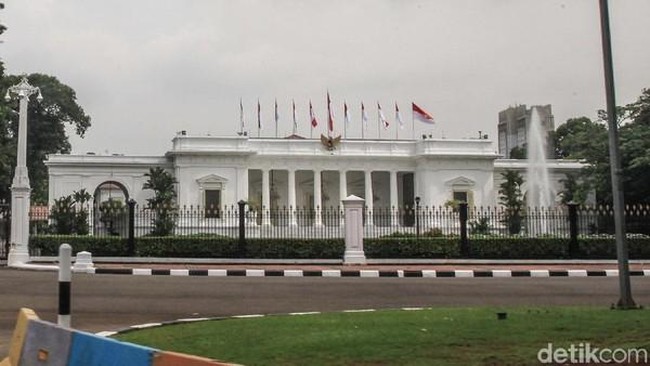
A feud within the inner circle of the Indonesian president once reduced a four-star TNI general to tears. The moment occurred when the conflict between the Commander of the Security and Order Restoration Operations Command (Pangkopkamtib), General Soemitro, and the President’s Personal Assistant (Aspri), Major General Ali Moertopo, reached its peak in late 1973.
At the time, President Soeharto summoned both men to a special meeting to defuse the long-simmering tension within the New Order power circle. During the meeting, Ali Moertopo was given the opportunity to pose a series of direct questions to Soemitro regarding various actions he considered detrimental.
‘Before he answered the question, Soemitro wept. The meeting was adjourned for half an hour,’ recalled Jusuf Wanandi in his 2015 memoir, Menyibak Tabir Orde Baru.
Soemitro’s tears did not come from nowhere. His relationship with Ali Moertopo had been heating up for a long time. Both were strongmen around Soeharto who wielded significant influence. Ali Moertopo was known as one of Soeharto’s main confidants since the beginning of the New Order. As Aspri to the President since 1968, he had extensive access to the palace and controlled various intelligence operations through the Special Operations unit (Opsus). Meanwhile, Soemitro, who had served as Pangkopkamtib since 1971, held great authority in national security affairs. Their equally powerful positions made a clash of interests difficult to avoid.
Soemitro believed Opsus frequently encroached on the territory of official intelligence agencies. Conversely, Ali Moertopo’s camp accused Soemitro of increasingly expanding his political influence and acting like a ‘second president’. The rivalry then developed into mutual suspicion and a scramble for influence around Soeharto.
As the conflict escalated, Soeharto finally brought the two figures together in late 1973. In that forum, Ali Moertopo questioned various moves by Soemitro that made him cry. ‘Pak Ali repeated the question he had previously posed to Soeharto: why was the security detail at his house and at Soedjono’s house withdrawn? Why were his telephone and Soedjono’s telephone tapped by intelligence? What was Soemitro’s intention in acting as if he were the one in charge? Why did he encourage students to criticise Soeharto’s government? And what was Soemitro’s intention in taking over part of the president’s power, as a prime minister, and what did he mean by personally leading Skogar as Pangkopkamtib?’ recounted Jusuf Wanandi.
After weeping and the meeting resumed, Soemitro denied all accusations that he wanted to seize presidential power. Soeharto then reminded them that anyone wishing to hold power must take the constitutional path, not through a coup. At Soeharto’s request, Soemitro and Ali Moertopo held a joint press conference on 2 January 1974 to deny any rift within the government and military, although the press at the time observed a different demeanour in Soemitro, who appeared listless and unenthusiastic.
Ultimately, the conflict only ended two weeks later when Soemitro resigned as Pangkopkamtib after being deemed to have failed to handle the Malari riots on 15 January 1974. After stepping down, Soemitro admitted he had confronted Ali Moertopo, whom he accused of being behind various efforts to ruin his reputation. ‘I order you to ruin my name. Ruin it! This is an order, not a request,’ Soemitro asserted to Ali in his 1994 biography, Soemitro: Dari Panglima Mulawarman sampai Pangkopkamtib.
The feud that once made Soemitro weep before the president ultimately led to the downfall of the general’s career. Although considered the ‘winner’, Ali Moertopo lost his influence, as Soeharto dissolved the Aspri structure and transferred Moertopo to a non-strategic post. Learning from this feud, Soeharto subsequently imposed strict controls and no longer allowed his close aides to wield as much power as they had before.
Source: jawawa.id (https://jawawa.id/newsitem/when-a-tni-general-wept-after-a-row-with-the-presidents-personal-assistant-1782521430)
Originally published by CNBC Indonesia (https://www.cnbcindonesia.com/entrepreneur/20260622123653-25-744589/saat-jenderal-tni-menangis-usai-ribut-dengan-asisten-pribadi-presiden), translated from Indonesian