
WhatsApp Army Played a Part in Lula’s Victory in Brazil’s Presidential Election
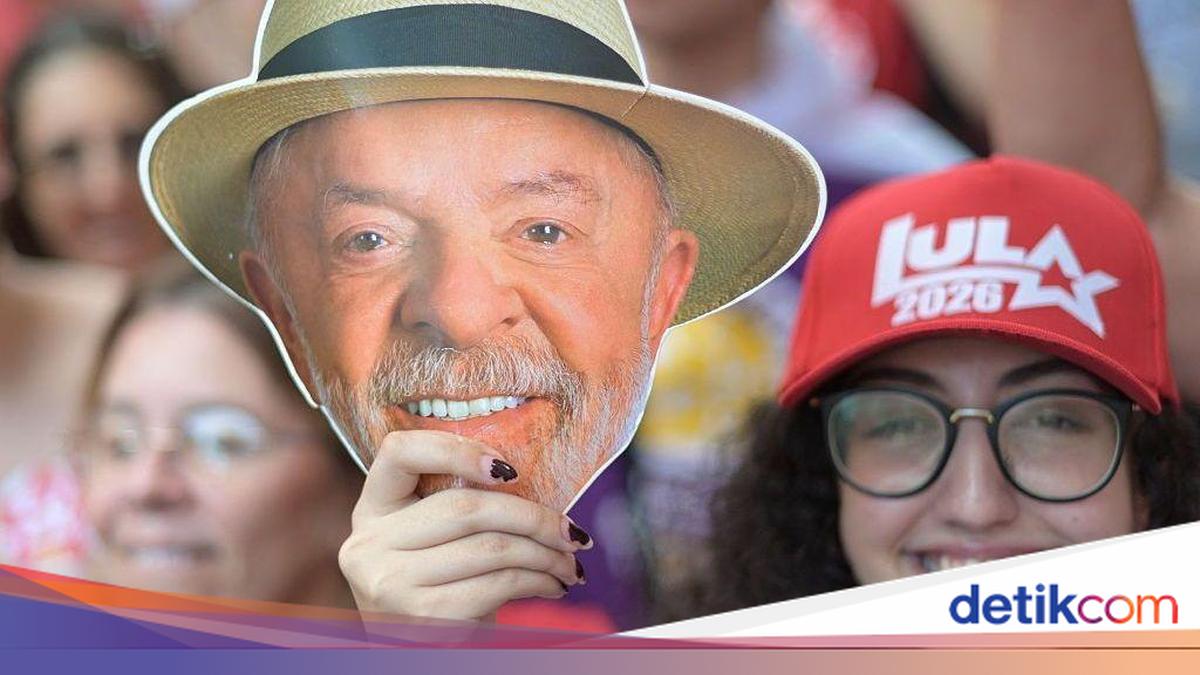
A WhatsApp channel set up to support the re-election campaign of incumbent Luiz Inácio Lula da Silva became one of the most surprising factors in Brazilian politics.
Lula had been trailing his right-wing challenger, Flávio Bolsonaro, but managed to turn the race around in just three weeks.
As many questioned whether he could close the gap, a WhatsApp channel called Laskar Lula (Lula’s Army) emerged. It grew rapidly, reaching 10.8 million followers.
The digital campaign operation was led by congressman André Janones. He mobilised Lula supporters to share videos, spread hashtags and encourage new voters.
The channel’s rapid growth quickly drew attention.
For years, conservative groups allied with former president Jair Bolsonaro had been seen as dominating online political mobilisation, particularly on platforms such as WhatsApp and Telegram.
The emergence of Laskar Lula convinced many supporters that Brazil’s left had finally found a way to compete in the digital arena.
The shift mattered because social media has played a central role in Brazilian politics since Jair Bolsonaro’s victory in the 2018 presidential election. At the time, WhatsApp networks became a defining feature of political campaigning in the country.
Messages circulated by Laskar Lula often came with ready-to-use templates, making it easy for followers to share them with friends and family. Each message included a specific task intended to increase Lula’s visibility on social media.
Janones regularly instructed supporters, whom he called his “troops”, to make the latest campaign video go viral or to push a hashtag into public discussion.
“Friends, this is urgent!”, “Don’t go to sleep yet!”, “No eating until the mission is complete!” and “I still have one more task before you’re dismissed!” were among his instructions.
On the eve of the election, Janones also hosted a 24-hour livestream, dubbed the “turnaround livestream”. It took place while opinion polls still suggested Bolsonaro had a chance of winning.
The strategy proved successful, although some members of the Workers’ Party worried that Janones’s often confrontational social media style might damage the more moderate image of Lula they wanted to present to the public.
In his victory speech, Lula called Janones “our general” and thanked him for “raising the spirits of our troops every day”.
The role of social media
However, it is difficult to measure the impact of online political mobilisation on election results.
Although Lula’s supporters believe Laskar Lula helped drive the president’s resurgence, political experts warn that it is impossible to determine how many votes, if any, were directly influenced by the WhatsApp campaign.
Political expert Denilde Holzhacker said a change in campaign strategy was an important factor in Lula’s comeback.
She said the Workers’ Party candidate did not rely solely on online engagement, but also succeeded in connecting the digital campaign with direct grassroots mobilisation.
Holzhacker said Lula’s campaign team increased its activity at local level while adapting its political messages.
It linked the prospect of a Bolsonaro victory with concerns about changes to social assistance programmes and the loss of people’s rights.
“Lula deserves credit for recognising his own weaknesses and changing his approach comprehensively,” she said.
“Meanwhile, Janones managed to do something that had previously seemed impossible for Brazil’s left: dominate social media.”
Holzhacker said Flávio Bolsonaro, by contrast, had been overconfident about winning the second round. As a result, he failed to communicate his campaign message to supporters as effectively.
Sociologist and political expert Mayra Goulart, a professor at the Federal University of Rio de Janeiro, also cautioned against attributing Lula’s comeback solely to social media.
“It was a combination of social media and direct mobilisation on the ground,” she said.
“Face-to-face interaction enables mobilisation that can reduce abstention and persuade undecided voters.”
According to Goulart, Lula’s supporters succeeded in turning online enthusiasm into direct political engagement.
“Those committed to helping Lula win made efforts to bring people together and persuade them to go to the polling station,” Goulart said.
She said this effort not only helped increase voter turnout, but could also prove valuable to Lula’s next administration.
“I believe this collective effort was an important learning experience and will benefit an administration that still faces many challenges ahead. It not only helped reduce abstention, but also succeeded in changing the minds of a large number of previously undecided voters.”
Lula himself suggested that the mobilisation behind his electoral comeback could influence how he governs in the coming years.
In his victory speech, Lula said the election had taught him many lessons and promised to change the way Brazil is governed.
“We will give people greater scope to take part in decisions, and digital communication will play a much bigger role in my government.”
Source: jawawa.id (https://jawawa.id/newsitem/whatsapp-army-played-a-part-in-lulas-victory-in-brazils-presidential-election-1793174047)
Originally published by detikcom (https://news.detik.com/bbc-world/d-8727789/ada-peran-whatsapp-army-di-balik-kemenangan-lula-jadi-presiden-brasil-4-periode), translated from Indonesian