
What's Happening with Coal? Battered, Weekly Price Plunges 9.31%
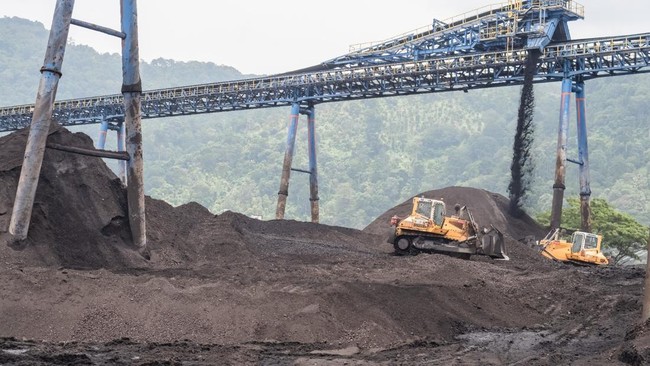
Global coal prices continued to languish throughout the week, triggered by negative sentiment from India, the world’s second-largest consumer. In trading on Friday (19/6/2026), the global coal price for the July 2026 contract closed slightly down by 0.04% at US$131.5 per tonne. Over the week, global coal prices collapsed by 9.31% on a point-to-point basis.
Reuters reported that India’s thermal coal imports fell to their lowest level in four years during the January-May 2026 period. Imports weakened amid rising domestic production and growth in renewable energy generation. Overall, India’s thermal coal imports during the first five months of this year reached 65 million tonnes, a 12% decline compared to the same period last year.
India, the world’s second-largest thermal coal importer, continues its efforts to reduce dependence on imported supply and is targeting a reduction in thermal coal use for power generation of at least 30% this year. India’s largest coal producer, Coal India, previously asked all its subsidiaries to increase production to anticipate a surge in electricity consumption due to extreme heat triggered by the El Niño weather phenomenon. High imported coal prices and rising shipping tariffs due to the crisis in the Middle East also pressured imports.
In January-May, India’s total electricity production increased by 5% compared to the previous year. However, renewable energy generation grew much faster, surging by 22%. India’s peak electricity demand, reflecting maximum power needs, exceeded the government’s projection of 270 gigawatts on 21 May due to a heatwave sweeping the country. Data from national grid regulator Grid-India showed India’s electricity demand jumped 11.2% in May, reaching its highest level in two years. To meet round-the-clock electricity needs, coal-based power generation rose 10% year-on-year in May, the highest increase since May 2024. At the same time, electricity production from renewable energy soared 29.31% annually to 27.58 billion kilowatt-hours (kWh), also setting a record with a 17.9% contribution to total national power generation.
Meanwhile, China’s coking coal market continued a strong price rally. The price increase was triggered by supply disruptions due to tightened mine safety inspections following a mine accident in late May. Chinese importers have turned to producers such as Canada and Australia for shipments in the June and July period, after 155 coal mines in the northern Chinese province of Shanxi were closed for safety inspections following the accident. The closures have caused local coking coal prices to soar. In contrast, China’s coking coal imports in the first four months of 2026 increased by 20% from a low base a year ago due to higher supply from major producers like Mongolia and improved border logistics, despite steel production experiencing a 4.1% decline.