
What Would Happen if the Javan Rhino Went Extinct? The Impact on the Ecosystem
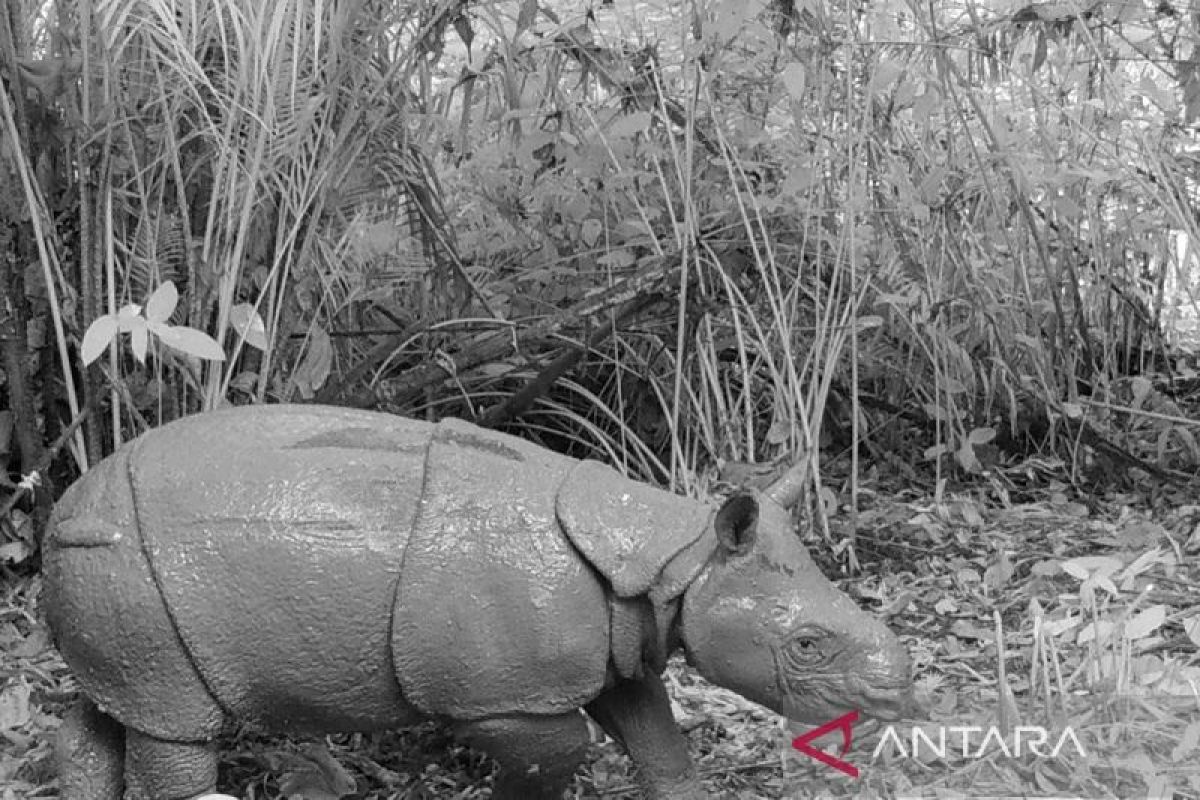
Jakarta (ANTARA) - The Javan rhinoceros (Rhinoceros sondaicus) is one of the world’s rarest animals and is now found only in Indonesia. Its dwindling population has made the species’ survival a major concern in efforts to conserve biodiversity.
But what would happen if the Javan rhino became extinct? Would the loss of one large animal species simply reduce Indonesia’s faunal wealth, or would it have broader effects on the balance of the ecosystem?
The Javan rhino has an ecological role closely linked to its habitat. This herbivore eats a variety of plants, including shoots, twigs, young leaves and fruit found in tropical forests.
Its feeding activity also affects the growth and distribution of vegetation in its habitat. As a plant-eater, the Javan rhino helps shape vegetation structure by browsing and eating selected parts of plants.
If the species became extinct, one possible consequence would be a change in the dynamics of forest vegetation. A decline in the activity of large herbivores could alter the growth patterns of some plant species, particularly those that were part of the rhino’s diet.
Javan rhinos are also known to wallow in mud. This behaviour is an important part of their natural routine, helping them maintain their physical condition, regulate their temperature and protect their skin from parasites.
Wallowing sites formed or used by wildlife can also create microhabitats used by other organisms. The disappearance of rhinos could therefore alter the characteristics of certain areas of habitat that various organisms have shared.
The extinction of the Javan rhino could also affect relationships between organisms in the ecosystem. Although not every species depends directly on the rhino, changes in vegetation and habitat conditions could have indirect effects on other animals.
Changes in plant composition, for example, could affect the availability of food and shelter for insects, birds and small mammals. Over time, these changes could influence interactions between species in the forest.
This does not mean, however, that the extinction of the Javan rhino would automatically cause the entire Ujung Kulon ecosystem to collapse. Ecosystems are complex systems with many components and mechanisms for adaptation. Nevertheless, losing one of the large species would reduce biodiversity and alter an ecological balance that has developed naturally.
According to information from the Indonesian Rhino Foundation (YABI), published for World Rhino Day on 22 September 2026, an estimated 80–100 Javan rhinos remain.
Meanwhile, figures released by the Ministry of Forestry in September 2025 put the population at between 87 and 100 in its natural habitat.
The IUCN’s Asian Rhino Specialist Group, in an assessment dated February 2026, estimated that fewer than 50 Javan rhinos remained. The differing figures point to continued uncertainty in the population estimates being made public.
As of 17 November 2026, therefore, the range of 80–100 is the estimate published by YABI, but it cannot yet be considered the latest official census figure agreed by all institutions.
The entire wild population remains concentrated in Ujung Kulon National Park, Banten. This leaves the species highly vulnerable to natural disasters, disease, poaching and habitat damage.
Against this backdrop, the government is exploring the possibility of developing a second Javan rhino habitat in Alas Purwo National Park, Banyuwangi, East Java.
The proposal emerged after Hashim Djojohadikusumo, the President’s Special Envoy for Climate and Energy, suggested moving some Javan rhinos from Ujung Kulon to reduce the risk of extinction caused by natural disasters, including potential tsunamis and volcanic activity around the Sunda Strait.
On 16 November 2026, however, the Ministry of Forestry said Alas Purwo remained only a potential site for assessment. No official decision had been made on the location, the number of rhinos to be moved, the translocation method or the timetable.
The proposal has drawn mixed responses. Supporters of a second habitat say that spreading the population could reduce the risk of a major disaster in Ujung Kulon. Maintaining more than one population, they argue, would improve the chances of preserving the species in the wild.
Others have warned of the risks of moving the animals, including stress during transport, health problems, difficulties adapting and possible disruption to the ecological balance at the destination.
Baduy customary elder and Kanekes village head Jaro Oom, for example, has urged the government to prioritise scientific assessment and conserve the Javan rhino in its natural habitat. The Pandeglang regional administration has also called for the proposal to be reviewed.
The Ministry of Forestry has stressed that the suitability of Alas Purwo must be assessed in terms of food availability, water sources, wallowing sites, habitat size, potential competition with local wildlife and disease risks.
Ultimately, the extinction of the Javan rhino would mean more than the loss of a rare animal: it would remove an important part of Indonesia’s biodiversity. Saving the species requires habitat protection, population monitoring, research and conservation policies that take both animal welfare and ecosystem balance into account.
Whether through stronger protection of Ujung Kulon or the development of a second habitat, the central aim remains the same: to ensure that the Javan rhino does not disappear from the wild in Indonesia.
Source: jawawa.id (https://jawawa.id/newsitem/what-would-happen-if-the-javan-rhino-went-extinct-the-impact-on-the-ecosystem-1795474281)
Originally published by Antara (Indonesian) (https://www.antaranews.com/berita/5873851/apa-yang-terjadi-jika-badak-jawa-punah-ini-dampaknya-bagi-ekosistem), translated from Indonesian