
What Time Is It on the Moon? The US and China Disagree on Space Time Standards
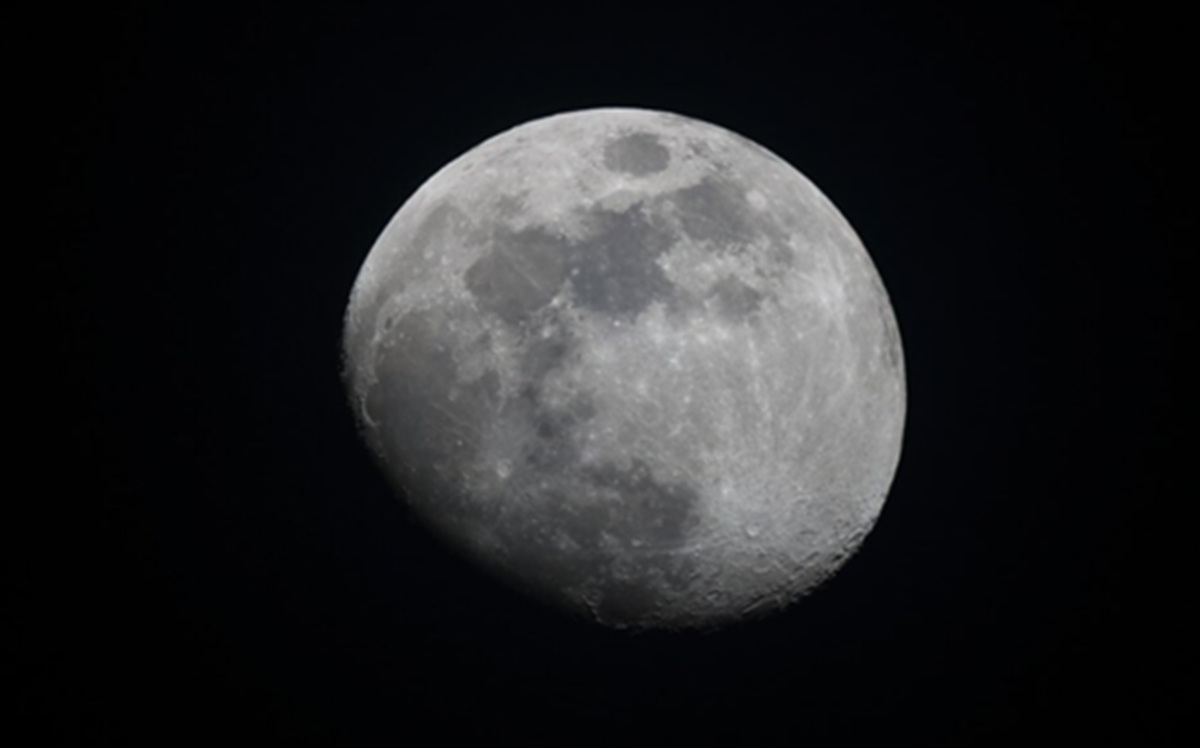
As various nations’ ambitions to return to and build permanent bases on the Moon intensify, a fundamental question has emerged: “What time is it on the Moon?” Establishing a uniform time zone on Earth’s natural satellite is now an urgent necessity for the navigation and communication of future space missions. However, amid existing geopolitical tensions, the United States and China disagree on how this time standard should be set. Currently, each lunar mission typically uses the time zone of its home country on Earth. This approach is considered unsustainable for a future where dozens of rovers, robots, and astronauts from different nations operate simultaneously in the same lunar regions without synchronisation. The United States government, via the White House, has instructed NASA to lead the creation of a lunar time standard called Coordinated Lunar Time (LTC). Because the Moon’s gravity is weaker than Earth’s, time runs slightly faster there, by about 56 microseconds each day. Consequently, NASA plans to place atomic clocks on the Moon to create an independent local time system that can still be synchronised with the Coordinated Universal Time (UTC) used on Earth. The US hopes this LTC standard will be adopted internationally through partnerships such as the Artemis Accords. On the other hand, China has its own approach and plans for its ambitious space programme. The country is developing its own lunar communication and navigation network called the Queqiao constellation. Beijing appears to favour a timekeeping system that is tightly integrated with its domestic infrastructure on Earth, rather than depending on a standard initiated by a US-led bloc. This divergence of views reflects a broader competition for influence and the right to set the rules of engagement in space. If the US and China fail to reach a global agreement or compromise, the Moon risks being divided into competing time zones. This situation could endanger mission safety due to potential disruptions in communication and emergency coordination between space outposts. Although other international space agencies, such as the European Space Agency (ESA), continue to push for a single, neutral, and mutually agreed-upon lunar time standard for the sake of science, the final decision appears to depend heavily on the political will of the two space giants. Synchronising time on the Moon is proving to be not just a complex problem of mathematics and physics, but a high-level exercise in extraterrestrial diplomacy.