
What the US and Iran Agreed and Disagreed on During the First Day of Talks
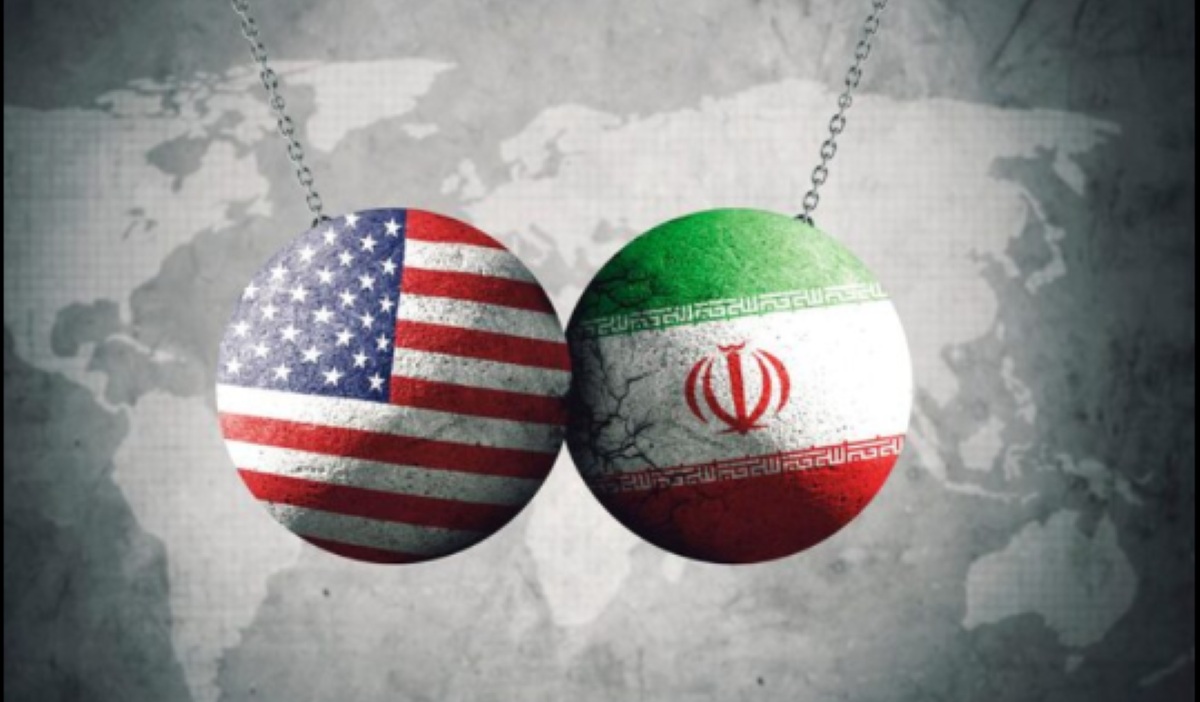
The United States has officially suspended sanctions on Iranian oil exports for 60 days following the first day of peace deal negotiations. This step was taken after both parties signed a Memorandum of Understanding (MoU) last week, triggering direct dialogue between Washington and Tehran.
US President Donald Trump asserted he would take decisive action if Iran does not comply with the points of the agreement. “I will do what I have to do if Iran is not faithful to their side of the deal,” Trump said.
One crucial point in this initial agreement is the establishment of a communication channel regarding the Strait of Hormuz. The aim is to avoid incidents and miscommunication to guarantee a safe passage for commercial vessels. Previously, Iran closed the strait—a route for 20 per cent of the world’s oil and natural gas supply—after a US-Israeli attack in late February, triggering a spike in global energy prices.
Mediators from Qatar and Pakistan stated that chief negotiators will report periodically to a High-Level Committee. Specialised working groups have also been formed to focus on nuclear issues, sanctions, and monitoring and dispute resolution mechanisms.
Although oil sanctions have been suspended, the two countries remain at odds over the details of other agreements. Iranian state media reported that the US agreed to release USD 12 billion (IDR 213 trillion) in Iranian assets. However, Washington provided a different narrative.
US Vice President JD Vance and President Trump stated that the released funds would be placed in a US-controlled escrow account. The funds may only be used for humanitarian purposes, namely to purchase agricultural and medical products exclusively from American farmers.
Conversely, Iranian Foreign Ministry spokesman Esmaeil Baghaei denied these claims. He asserted that the assets would be used with absolute freedom by Iran to purchase any commodities the nation requires.
The nuclear issue remains the main flashpoint. JD Vance claimed Iran agreed to allow inspectors from the International Atomic Energy Agency (IAEA) back into the country. Trump even stated Iran agreed to the highest level of inspections for a very long period.
However, Tehran issued a firm denial on Tuesday (23/6). Baghaei stated there is no clear schedule yet for IAEA inspectors to examine Iran’s nuclear facilities. Currently, Iran is believed to possess uranium stockpiles enriched up to 60 per cent, nearing weapons-grade level (90 per cent).
This 60-day sanctions suspension frees up approximately 67 million barrels of Iranian oil currently stored on tankers in the Gulf. Until now, Iran was forced to sell oil at a large discount to evade sanctions. With this new policy, Iran can sell oil at full market price, providing a significant injection for their economy.
Although technical progress is reported to be going well in Geneva, the final fate of this agreement still depends on negotiations regarding uranium stockpiles and the technical details of permanent sanctions relief, which must be approved by the UN Security Council.
Source: jawawa.id (https://jawawa.id/newsitem/what-the-us-and-iran-agreed-and-disagreed-on-during-the-first-day-of-talks-1782226230)
Originally published by Media Indonesia (https://mediaindonesia.com/internasional/903584/yang-disepakati-dan-tidak-oleh-as-dan-iran-pada-hari-pertama-pembicaraan), translated from Indonesian