
What the Transcript Leaves Out
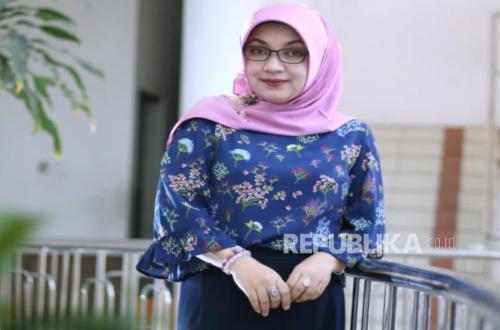
By Prof Ema Utami (Director of the Institute for Research and Community Service at Universitas Amikom Yogyakarta)
There was an appealing sight on the campus of the Bandung Institute of Technology (ITB) on 1 November 2026: graduates being paraded around the campus by junior students and friends from their student association. The tradition is known as the graduation parade. This year, I had the opportunity to witness it with my family, taking part in the celebration organised by the Aviation Students’ Association (KMPN), the association Najwa Rashika belonged to during her undergraduate studies at ITB.
ITB held three graduation ceremonies this year. However, the student associations do not organise a parade in every graduation period. The Graduation Parade takes place in two periods, in April and October. Najwa, who graduated last August, had the opportunity to join the parade alongside the graduates of October 2026.
The KMPN parade took place on Sunday, 1 November 2026. It began in the morning at the association’s secretariat. KMPN was fifth in line to enter the tunnel and Sunken Court. These two locations are the most attention-grabbing parts of the parade. Videos of performances at both spots have also circulated widely on social media and featured in posts watched by large audiences. There, the graduates were welcomed by association members with cheers, chants and songs celebrating their group. The procession then continued around several parts of the campus, including Plaza Widya Nusantara.
The association’s anthems and chants were sung throughout the parade. They included ‘Angkat Tanganmu’ (‘Raise Your Hands’), which stirs a sense of togetherness; ‘Wanabakti’, expressing pride in aviation; and humorous songs about student life. Some lyrics describe experiences that only those who have belonged to the association can fully understand. Parents watching may not have grasped every part of the songs. But one thing was clear: the students were celebrating something greater than a friend’s graduation alone.
Amid the crowds, a few small details caught my attention: a junior student making sure a graduate’s parents were in the right place, and classmates welcoming their friend. The parade at ITB seemed to be a community’s way of telling its members: we have witnessed your journey, we value your efforts, and your success is our joy, too.
Watching the parade reminded me of campus life at Universitas Amikom Yogyakarta. Relationships between students and lecturers should not be built solely through classroom meetings, practical sessions or academic supervision. Other spaces for interaction matter just as much: conversations after lectures, student activities, informal discussions, involvement in research and shared participation in various campus events.
Such non-academic relationships should not be kept at a distance from university life. When they are built on good intentions, mutual respect and professional boundaries, they can strengthen the educational process. A lecturer’s support, for example, does not always come in the form of course materials or research guidance. Sometimes it means being willing to listen, offering encouragement when a student faces difficulties, or simply greeting them and asking how they are. Small gestures like these can build trust and closeness that last long after students have completed their studies.
Someone may have completed their studies, but the bonds formed as a student need not end with graduation. They can become networks of friendship, spaces for sharing experiences, and sources of mutual support when people face challenges after leaving campus. The experience of growing together at university can bring them back into one another’s lives.
Allah SWT says: ‘And cooperate in righteousness and piety, but do not cooperate in sin and aggression.’ (QS Al-Mā’idah: 2). This verse reminds us that togetherness is not simply about closeness or how often we interact; what matters more is the direction in which a relationship leads. On campus, relationships among students, and between students and lecturers, should be spaces for supporting one another in doing good, developing potential and nurturing care for others. Bonds formed with good intentions should not end when someone leaves campus.
May you continue your journeys, Najwa and all the ITB graduates of October 2026. Thank you to the KMPN students for creating such a warm celebration. May the sense of togetherness fostered on campus endure, even as everyone takes a different path. Wallāhu a’lam.