
What Is Weather Modification? How BMKG’s Artificial Rain Works
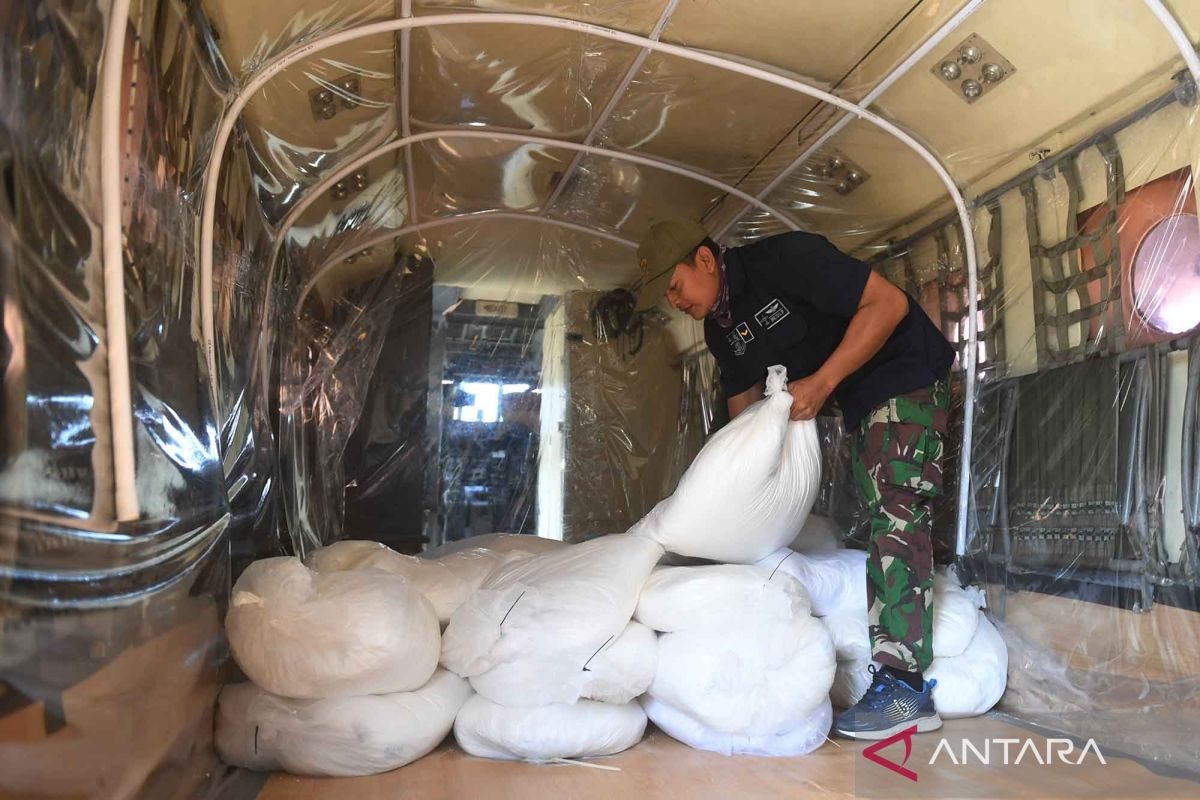
Jakarta (ANTARA) – Weather modification, or Weather Modification Operations (OMC), is a scientific effort by humans to deliberately manipulate, control and alter atmospheric conditions on a local or regional scale for a particular purpose, using cloud-seeding techniques.
In Indonesia, the public is most familiar with its best-known application: artificial rain, or cloud seeding.
The Meteorology, Climatology and Geophysics Agency (BMKG) stresses that the Weather Modification Operations carried out in Indonesia are a measured, science-based form of disaster mitigation. They are being undertaken in response to the simultaneous decline in the environment’s capacity and the growing threat of climate change.
BMKG’s weather-modification operations are conducted in a measured way and are based on scientific data, using the natural physical dynamics of the atmosphere.
The operation begins with detailed monitoring using weather radar and satellite imagery to detect and measure moisture in potential target clouds, such as cumulus clouds. BMKG emphasises that the technology does not create new clouds in clear skies; it works only on naturally formed, moisture-saturated clouds.
Once a target cloud has been identified, an aircraft disperses fine salt particles (NaCl) in a process known as cloud seeding. The salt acts as artificial condensation nuclei, absorbing water vapour in the surrounding cloud and prompting microscopic water droplets to combine into larger drops.
BMKG uses two main operational methods, depending on conditions on the ground. The first is rain enhancement, which aims to bring rainfall to areas such as peatlands or reservoirs to help put out forest fires and address drought.
The second method is the ‘jumping process’, or rain redistribution, in which clouds moving in from the sea are seeded while they are still over the water.
This causes the cloud’s water content to fall as rain before it reaches land, potentially reducing the risk of extreme rainfall that could trigger flooding in densely populated areas.