
What Is the Link Between High Cholesterol and Stroke Risk? Here’s an Explanation
Jakarta (ANTARA) — High cholesterol often causes no symptoms, meaning people may be unaware of their condition until they have a blood test. However, uncontrolled cholesterol levels, particularly high LDL cholesterol, can increase the risk of blocked blood vessels and, in turn, stroke.
A stroke occurs when blood flow to the brain is disrupted, either because a blood vessel is blocked or because it ruptures. This can deprive brain cells of oxygen and cause damage. Delays in treatment can increase the risk of disability or death.
The World Health Organization (WHO) recorded around 11.9 million new stroke cases worldwide in 2021. In a fact sheet updated in December 2025, the WHO also listed high LDL cholesterol as one of the modifiable risk factors for stroke.
How does high cholesterol increase the risk of stroke?
Cholesterol is a fatty substance the body needs to build cells and produce certain hormones. However, excessive levels, particularly of LDL cholesterol, can trigger plaque to build up on the walls of blood vessels.
LDL, or low-density lipoprotein, is often called “bad” cholesterol because it can carry cholesterol to artery walls. Over time, plaque build-up can narrow blood vessels and restrict blood flow.
If plaque forms in blood vessels supplying the brain, the risk of an ischaemic stroke may increase. This occurs when a blood vessel is blocked by a blood clot or other material, interrupting blood flow to part of the brain.
A ruptured plaque can also trigger the formation of a blood clot. If the clot blocks a blood vessel in the brain, the supply of oxygen and nutrients to brain tissue is disrupted.
Even so, high cholesterol is not the only cause of stroke. A person’s risk is also affected by other factors, including high blood pressure, diabetes, smoking, physical inactivity and a history of cardiovascular disease.
What is the difference between LDL and HDL cholesterol?
Cholesterol tests generally include several components that help give an overview of the fats in the blood. Two of these are LDL and HDL.
- LDL cholesterol
LDL carries cholesterol to different parts of the body. However, high LDL levels can encourage plaque to build up on artery walls. Managing LDL is therefore an important part of efforts to reduce the risk of heart disease and stroke.
- HDL cholesterol
HDL, or high-density lipoprotein, is known as “good” cholesterol. It helps carry excess cholesterol from tissues and blood vessels back to the liver for processing.
Adequate HDL levels are associated with a more favourable cardiovascular risk profile. Even so, high HDL does not automatically remove the risks associated with high LDL or other risk factors.
- Triglycerides
Triglycerides are another type of fat circulating in the blood and are used by the body as a source of energy. High triglyceride levels, particularly when accompanied by high LDL or low HDL, may be associated with an increased risk of cardiovascular problems.
For this reason, a lipid profile should not focus solely on total cholesterol. A doctor can assess LDL, HDL, triglycerides and other risk factors to determine the appropriate course of action.
Having high cholesterol does not mean that someone will definitely have a stroke. However, it can increase the risk, especially if it persists over time and is accompanied by other risk factors.
Someone with high LDL who also has high blood pressure, diabetes or a smoking habit may face a greater cardiovascular risk. A combination of these factors can accelerate damage to blood vessels and increase the likelihood of a blockage.
High cholesterol also often causes no readily recognisable symptoms. The absence of symptoms does not mean cholesterol levels are healthy.
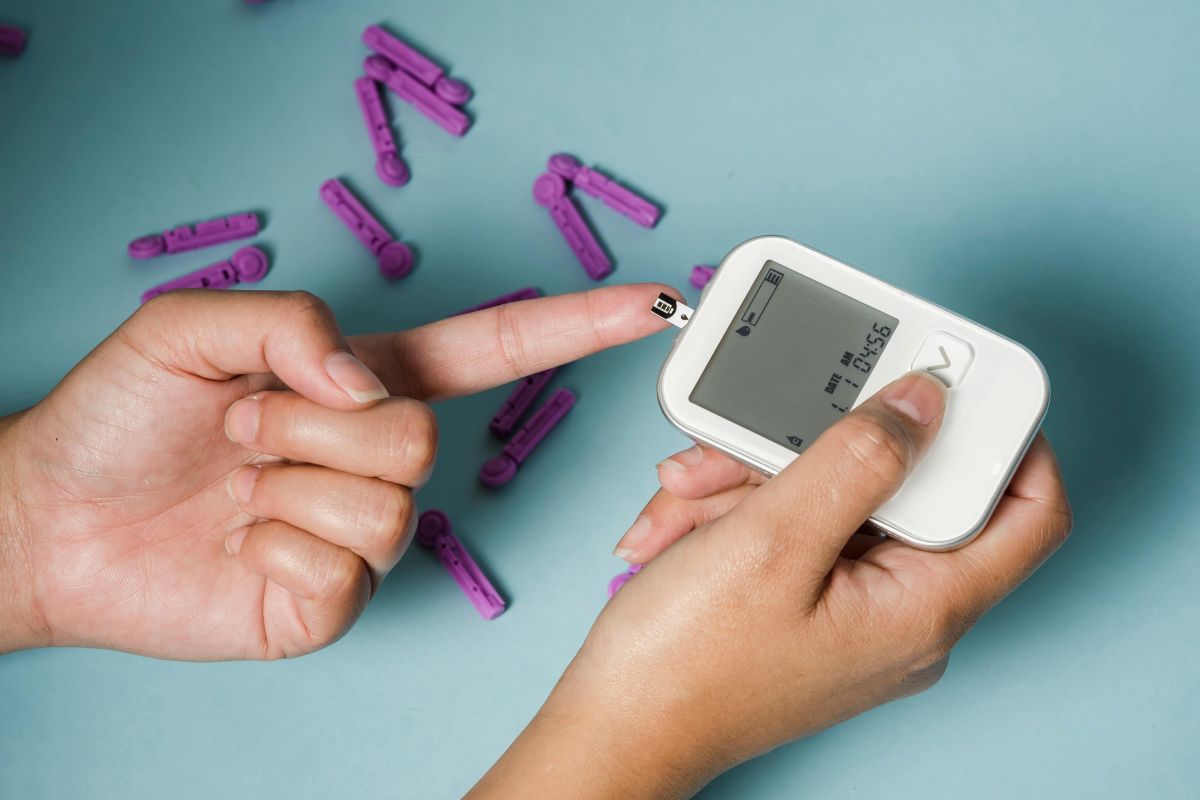
A blood test is the most accurate way to determine cholesterol levels. The timing of testing can be tailored to a person’s age, medical and family history, and individual risk factors.
How to manage cholesterol to reduce stroke risk
Managing cholesterol is one way to protect blood vessel health. This can be done through lifestyle changes and, where necessary, medication prescribed following an assessment by a health professional.
The following steps can help:
- Adopt a balanced diet
Eat more vegetables, fruit, wholegrains, nuts and healthier sources of protein, including fish. Limit foods high in saturated and trans fats, and monitor salt and added sugar intake to help support overall cardiovascular health.
- Exercise regularly
Physical activity helps maintain heart and blood vessel health and supports weight management. The WHO recommends that adults do 150–300 minutes of moderate-intensity aerobic activity a week, or 75–150 minutes of vigorous-intensity activity, according to their abilities and health conditions.
- Avoid smoking
Smoking can damage blood vessels and increase the risk of cardiovascular disease. Avoiding tobacco and exposure to smoke is an important part of reducing stroke risk.
- Check cholesterol levels regularly
A lipid profile can detect high cholesterol even before symptoms appear. How often someone should be tested depends on their health and the advice of a health professional, particularly if they have diabetes, high blood pressure, or a history of heart disease or stroke.
- Follow treatment if needed
Some people need cholesterol-lowering medicines, such as statins, to help reduce LDL and lower the risk of cardiovascular events. Whether medication is needed depends on cholesterol levels, medical history and overall risk. Patients should not start, change the dose of, or stop medication without consulting a doctor.
Recognise stroke symptoms and seek help immediately
As well as managing cholesterol, people should learn to recognise stroke symptoms so that medical help can be provided as quickly as possible.
Symptoms can come on suddenly and include drooping on one side of the face, weakness or numbness in an arm, difficulty speaking, vision problems, loss of balance, or an unusually severe headache.
If these symptoms occur, contact emergency services immediately or take the person to hospital. Do not wait for the symptoms to improve on their own: a stroke is a medical emergency requiring prompt treatment.
High cholesterol does not always cause symptoms, but its effects on blood vessels can develop over the long term. Knowing cholesterol levels, managing risk factors and having regular health checks are important steps to help protect brain health and reduce the risk of stroke.