
What is the Difference Between BPJS PBI and Mandiri? Here is the Complete Explanation
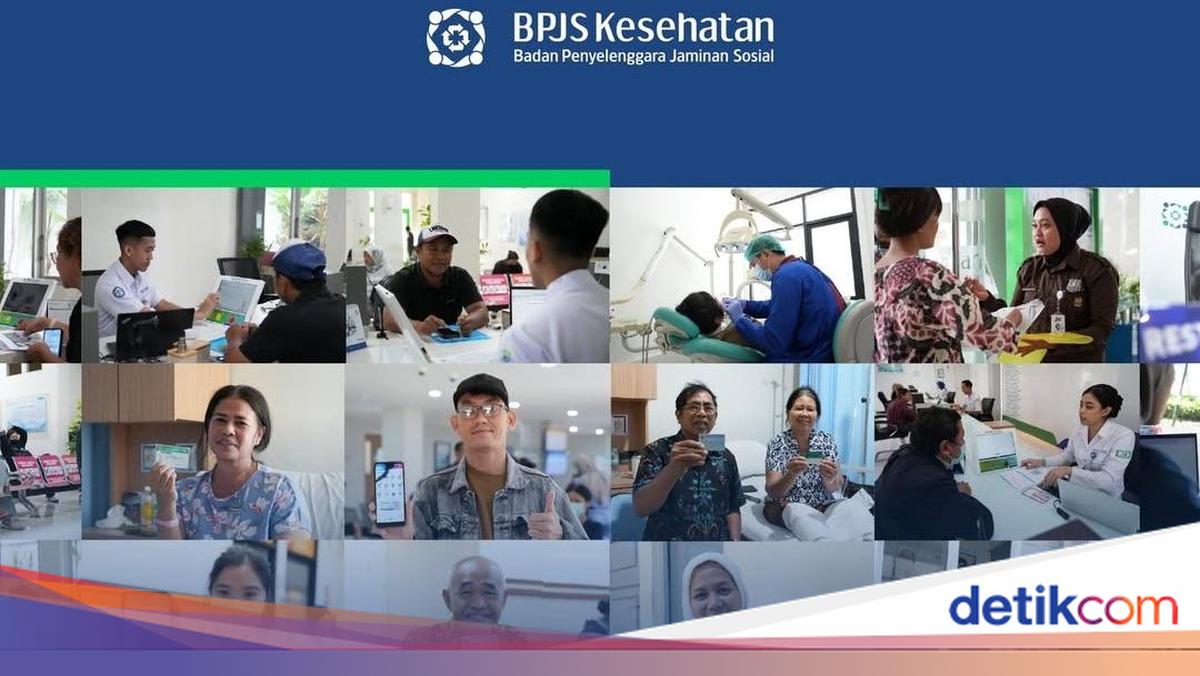
BPJS Kesehatan is one of the important health insurance programmes for Indonesian society. Through the National Health Insurance (JKN) programme, every participant can receive affordable healthcare services, even free for certain groups.
However, many people are still confused about the types of BPJS Kesehatan membership, particularly between BPJS PBI and BPJS Mandiri (Non-PBI). Both provide health services, but they differ in terms of premium payment sources, target participants, and registration methods.
So, what exactly is the difference between BPJS PBI and Mandiri? To avoid misunderstandings, here is a complete explanation that needs to be known.
What is BPJS Kesehatan?
BPJS Kesehatan is a legal entity established by the government to administer the National Health Insurance (JKN) programme in Indonesia. This programme aims to provide health protection for the entire society so that they can access affordable healthcare services.
According to the Legal Documentation and Information Network of the Ministry of Finance, BPJS Kesehatan is the health insurance organising agency as regulated in Law No. 24 of 2011 on the Social Security Organising Agency. This means BPJS Kesehatan has an official role in managing the national health insurance system in Indonesia.
Meanwhile, citing the Ministry of Health (Kemenkes) website, participation in the JKN programme is mandatory. JKN participants are every person, including foreign citizens working for at least 6 months in Indonesia, who pay premiums according to the provisions. These participants are divided into two groups: Premium Assistance Recipients (PBI) and Non-Premium Assistance Recipients (Non-PBI).
In other words, BPJS Kesehatan is the main system that covers all JKN participants, whether their premiums are covered by the government or paid independently by the participants.
What is BPJS PBI?
BPJS Penerima Bantuan Iuran (PBI) are JKN participants whose premiums are paid by the government. This group is intended for the poor and destitute, so they can still access healthcare services without having to pay premiums independently.
Citing the Kemenkes website, the determination of PBI participants refers to Government Regulation No. 101 of 2012 on Premium Assistance Recipients for Health Insurance. The regulation explains that criteria for the poor and destitute are set by the Minister of Social Affairs after coordinating with relevant ministries or agencies.
Data on potential PBI participants comes from surveys conducted by the Central Statistics Agency (BPS). This data is then verified and validated by the Ministry of Social Affairs to become the Integrated National Social and Economic Data (DTKS), which has now changed to the Single National Social and Economic Data (DTSEN). This data is then detailed by province and regency/city as the basis for determining the national number of PBI participants.
Subsequently, the Minister of Health registers the number of PBI participants with BPJS Kesehatan so they officially become JKN programme participants. With this scheme, it can be understood that BPJS PBI is entirely intended to help underprivileged communities in accessing healthcare services.
What is BPJS Mandiri?
BPJS Mandiri, or in the JKN programme known as Non-Premium Assistance Recipients (Non-PBI), are BPJS Kesehatan participants whose premiums are paid independently, either by individuals or collectively according to applicable provisions. This means this group does not receive government subsidies like PBI participants.
Citing the Kemenkes website, Non-PBI participants are every person who is not categorised as poor or destitute, so they are required to pay premiums regularly to keep their membership active. In general, Non-PBI JKN participants are divided into several groups:
- Wage Recipients (PPU) and their family members
This group consists of people who work for an employer and receive a salary or wage. Examples include Civil Servants (PNS), TNI and Polri members, state officials, private employees, non-PNS government employees, and other workers who meet the wage recipient criteria.
- Non-Wage Workers (PBPU) and their family members
This group consists of people who work or run businesses at their own risk, such as freelance workers or self-employed, for example traders, online motorcycle taxi drivers, or entrepreneurs.
- Non-Workers and their family members
This group consists of people who do not work but are able to pay premiums themselves. Examples include investors, employers, pension recipients, veterans, independence pioneers, and other groups in the non-wage recipient category.
Thus, BPJS Mandiri or Non-PBI is more intended for people who have their own income or financial ability to pay BPJS Kesehatan premiums regularly.
Differences Between BPJS PBI and Mandiri
Based on the definitions of BPJS PBI and BPJS Mandiri (Non-PBI), here are the differences between the two that need to be known: