
What Is the Difference Between a Medical Check-up and Health Screening?
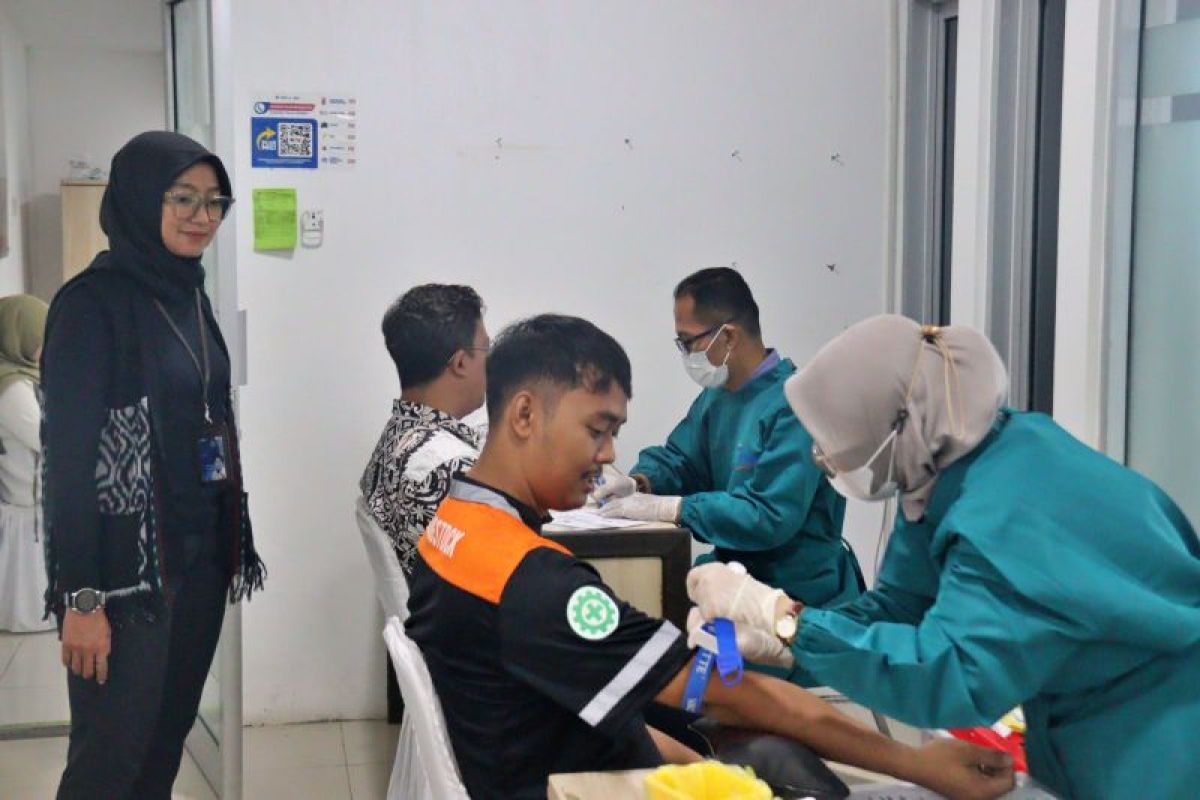
Jakarta (ANTARA) — Maintaining good health is not something to consider only when symptoms of illness appear. Regular examinations can also help people understand their physical condition, identify risk factors and decide on preventive measures at an early stage.
Two terms commonly used in health examinations are medical check-ups (MCUs) and health screening. Both support disease prevention, but differ in scope, target groups and purpose.
Put simply, an MCU is an examination whose scope can be tailored to an individual’s condition and needs. Health screening, by contrast, is a targeted examination to detect the possibility of disease or risk factors in people who have not shown symptoms.
It is important to understand this distinction so that people do not assume all health examinations serve the same purpose. What, then, is the difference between an MCU and health screening, and when should someone have them?
1. What is a medical check-up?
A medical check-up, or MCU, is an examination intended to provide a more comprehensive picture of a person’s health. It generally begins with a medical interview covering health history, daily habits, family medical history and any complaints.
A doctor may then conduct a physical examination and recommend additional tests as needed. These may include measuring blood pressure, weight and height, as well as blood tests and checks of cholesterol, blood sugar or the function of specific organs.
However, not everyone needs the same tests. Before deciding what is required, a doctor will consider the patient’s age, sex, medical history, risk factors and individual circumstances.
An MCU does not necessarily mean undergoing every type of laboratory test and body scan. Examinations should be tailored to medical needs so that the results are useful.
2. What is health screening?
Health screening is an examination intended to identify the possibility of disease or risk factors in someone who has not shown symptoms.
Its purpose is to detect health conditions early, allowing a person to receive further examinations or appropriate care before a disease progresses.
Unlike examinations conducted to find the cause of a complaint, screening is usually offered to specific groups based on age, sex or risk factors.
Examples of health screening include:
Blood pressure screening to check for possible hypertension in someone who has not experienced symptoms.
Diabetes screening, through blood sugar tests for groups with particular risk factors.
Cervical cancer screening, using methods such as an HPV test or Pap smear in line with medical recommendations.
Breast cancer screening, including mammography for certain age and risk groups.
Colorectal cancer screening, through specific tests to detect possible cancer or abnormalities in the large intestine.
The type and timing of screening vary from person to person. For example, the NHS Health Check programme in England is intended for people aged 40 to 74 who do not have certain conditions, and assesses their risk of heart disease, stroke, diabetes and kidney disease.
Although both are related to disease prevention, MCUs and health screening have several fundamental differences.
First, their purposes differ. An MCU aims to provide an overview of a person’s health through an assessment of medical history, a physical examination and any necessary additional tests. Screening, meanwhile, specifically aims to detect possible diseases or risk factors in people who have not experienced symptoms.
Second, their scope differs. An MCU may cover several aspects of health at once, depending on the examination package and the patient’s needs. Screening is more targeted towards a particular disease or condition, such as hypertension, diabetes or cervical cancer.
Third, the groups examined differ. Anyone who wants to understand their health can have an MCU, whether or not they have complaints. Screening is generally aimed at people without symptoms who fall within a particular age group or have certain risk factors.
Fourth, follow-up differs. MCU results can help a doctor provide health advice or recommend further examinations. A screening result indicating a possible disease needs to be confirmed through diagnostic testing.
In other words, a positive screening result does not necessarily mean that someone has the disease. Further examinations are still needed to confirm a diagnosis.
3. Which is more important: a medical check-up or screening?
MCUs and health screening are not alternatives that must be pitted against each other; they can complement one another. The appropriate choice depends on a person’s needs, health, age and risk factors.
For someone seeking a general picture of their health, a consultation and regular examination can be a starting point. A doctor can then determine whether laboratory tests, further physical examinations or screening for a particular disease are needed.
People without complaints should also pay attention to screening recommendations based on their age and risk factors. Not every disease causes symptoms in its early stages, so targeted examinations can help identify possible health problems sooner.
Nevertheless, undergoing as many examinations as possible is not necessarily better. Screening that is not clinically indicated can produce a false positive — a result suggesting a possible disease even though the person does not have it.
This can cause anxiety and lead to additional examinations that may not be necessary. Tests should therefore be selected on the basis of scientific evidence and consultation with a medical professional.
There is no single examination schedule that applies to everyone. The frequency and type of tests should be tailored to each person’s circumstances.
Factors to consider include:
Age: screening needs may change as a person gets older.
Family medical history: a history of certain diseases can increase risk, meaning screening may need to begin earlier.
Lifestyle: smoking, a lack of physical activity, diet and alcohol consumption can all be considered when assessing risk.
Health condition: people with chronic illnesses need monitoring as advised by their doctor.
Symptoms: anyone experiencing symptoms such as persistent pain, unexplained weight loss or unusual tiredness should seek advice about diagnostic examinations rather than relying on screening alone.
An annual health examination does not automatically mean someone must undergo every blood test, scan or organ examination. A 2021 review published in the journal JAMA discussed how the benefits of general health examinations should be assessed in light of the type of examination and the patient’s needs. Tests that are not targeted can result in unnecessary follow-up examinations.
Medical check-ups and health screening have related but not identical purposes. An MCU provides an overview of a person’s health through examinations tailored to their needs, while screening focuses on early detection of disease or risk factors in people without symptoms.
Both can help people take preventive steps and receive more appropriate care. However, examinations should not be chosen simply on the basis of how many tests are included or what a package offers.
Consulting a doctor is an important step in deciding which examinations are appropriate for a person’s age, medical history and risk factors. This helps ensure that health checks are beneficial without leading to additional tests that are not actually needed.
Source: jawawa.id (https://jawawa.id/newsitem/what-is-the-difference-between-a-medical-check-up-and-health-screening-1793840028)
Originally published by Antara (Indonesian) (https://www.antaranews.com/berita/5832923/apa-perbedaan-medical-check-up-skrining-kesehatan-ini-penjelasannya), translated from Indonesian