
What Is Sleep Apnoea and Why Can It Be Dangerous During Sleep?
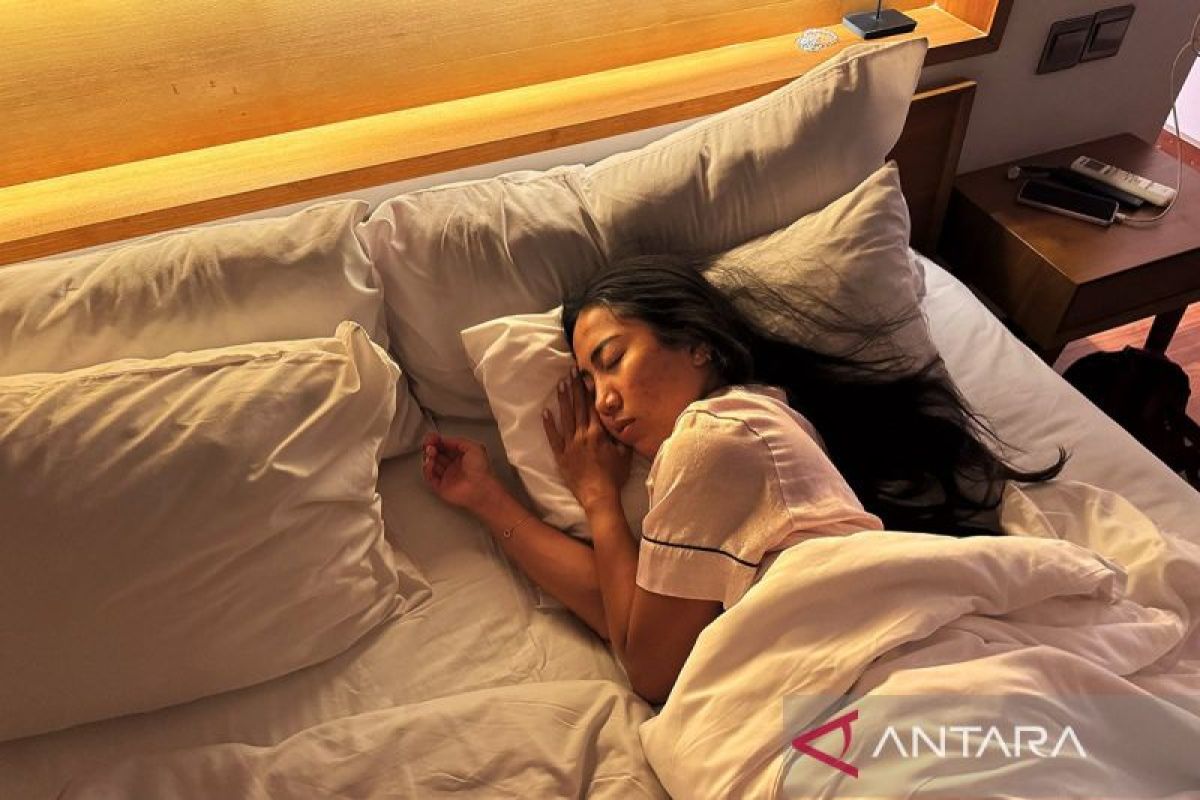
Jakarta (ANTARA) – Sleep is essential for the body to restore energy and maintain good health. However, not everyone gets good-quality sleep. One disorder to be aware of is sleep apnoea, a condition in which breathing repeatedly stops and starts while a person is asleep.
People with the condition are often unaware of it because it occurs while they are resting. Some only learn about it after a partner or family member notices loud snoring, gasping or pauses in breathing during sleep.
Sleep apnoea is more than an ordinary sleep disorder. If it is not treated appropriately, it can affect oxygen levels in the body and increase the risk of various health problems, including heart disease and stroke.
What is sleep apnoea?
Sleep apnoea is a sleep disorder that causes breathing to stop temporarily or become very shallow, repeatedly, while someone is asleep.
It occurs because of problems with the respiratory system. When airflow is obstructed or the signals from the brain that regulate breathing are disrupted, the body does not receive an optimal supply of oxygen.
There are two main types of sleep apnoea.
1. Obstructive sleep apnoea (OSA)
Obstructive sleep apnoea is the most common type. It occurs when the muscles at the back of the throat relax during sleep, narrowing or closing the airway.
As a result, air has difficulty reaching the lungs and breathing may stop temporarily. When oxygen levels fall, the brain triggers a response to make the body breathe again, sometimes causing the person to wake briefly without realising it.
2. Central sleep apnoea (CSA)
Unlike the first type, central sleep apnoea occurs when the brain fails to send the signals needed to control the breathing muscles.
As a result, the body does not receive the right instructions to breathe normally during sleep. The condition can be associated with certain health problems, including heart or nervous-system disorders.
Sleep apnoea symptoms to look out for
Sleep apnoea symptoms are often difficult to identify because most occur while a person is asleep. As a result, someone sharing a bed or room with the person may be the first to notice the problem.
Common symptoms include:
Loud, repeated snoring, particularly on most nights.
Breathing that temporarily stops during sleep.
Waking suddenly while choking, gasping or feeling short of breath.
Restless sleep and frequent waking during the night.
A dry mouth on waking.
A headache in the morning.
Excessive daytime sleepiness despite having slept for a long time.
Difficulty concentrating, tiredness and mood changes.
Not everyone with sleep apnoea experiences the same symptoms. Some people do not realise that their breathing pauses during sleep, so a medical examination is needed to confirm the condition.
Why can sleep apnoea be dangerous?
The dangers of sleep apnoea are linked to disrupted oxygen flow and poor-quality sleep caused by repeated pauses in breathing.
When this happens, the body has to work harder to restore normal breathing. This can trigger a stress response and disrupt the function of several organs.
1. Increased risk of high blood pressure
Repeated pauses in breathing can lower oxygen levels and trigger changes in nervous-system activity and the body’s response to stress.
Over time, this can raise blood pressure. Untreated sleep apnoea can also make blood pressure more difficult to control.
2. Harm to heart health
Sleep apnoea is associated with an increased risk of various cardiovascular problems, including heart rhythm disorders, coronary heart disease and heart failure.
Repeated drops in oxygen levels during sleep can place additional strain on the cardiovascular system.
3. Increased risk of stroke
Breathing disorders during sleep can cause changes in oxygen levels and blood pressure. If this continues over time, it is associated with an increased risk of stroke.
Sleep apnoea therefore needs attention, particularly in people with risk factors for vascular disease.
4. Increased risk of type 2 diabetes
Poor sleep quality and changes in the body’s metabolic processes caused by sleep apnoea can be associated with problems regulating blood sugar.
The condition is also linked to an increased risk of insulin resistance, which is one of the factors behind type 2 diabetes.
5. Reduced concentration and memory
People with sleep apnoea often experience fragmented sleep. As a result, the body does not get optimal rest, even if the total time spent asleep seems sufficient.
This can lead to difficulty concentrating, forgetfulness, mood changes and reduced productivity during the day.
6. Increased risk of accidents
Excessive daytime sleepiness can impair a person’s ability to make decisions and respond to situations.
This is dangerous when someone with the condition is driving or operating machinery, as it increases the risk of accidents caused by falling asleep or losing concentration.
Sleep apnoea can affect anyone, but several factors increase the likelihood of developing the disorder.
Risk factors to be aware of include:
- Excess weight
A build-up of fatty tissue around the neck can narrow the airway.
- Age
The risk of obstructive sleep apnoea tends to increase with age.
- Family history
Having a family member with sleep apnoea can increase a person’s risk of developing the same condition.
- Airway anatomy
The size of the tonsils and the structure of the jaw, tongue and airway can affect airflow.
- Smoking
Smoking can cause inflammation and swelling in the airway.
- Alcohol consumption
Alcohol can relax the throat muscles, increasing the likelihood that the airway will narrow during sleep.
- Sleeping on your back
For some people, this position can make it easier for the tongue and soft tissue to obstruct the airway.
However, people of normal weight can also develop sleep apnoea. The condition should therefore not be attributed to obesity alone.
How is sleep apnoea diagnosed?
A medical examination is needed to determine whether someone has sleep apnoea. A doctor will usually ask about sleep history, symptoms and health conditions associated with breathing problems.
One method used is a sleep study.
This may involve polysomnography, a test that monitors various bodily activities during sleep, including breathing patterns, blood oxygen levels, heart rate and brain activity.
In some cases, a doctor may also recommend a home sleep apnoea test using special equipment.
The results help the doctor establish how often breathing is disrupted and how severe the sleep apnoea is, so that treatment can be tailored to the patient.
Treatment depends on the type and severity of sleep apnoea and its underlying cause. A doctor may recommend one or more of the following approaches.
1. Using a CPAP machine
Continuous Positive Airway Pressure (CPAP) is a commonly used treatment for obstructive sleep apnoea.
The device delivers pressurised air through a mask worn during sleep. This airflow helps keep the airway open and reduces episodes in which breathing stops.
2. Losing weight
For people who are overweight, weight loss can help reduce airway narrowing and improve symptoms.
3. Changing sleeping position
Sleeping on one’s side can help reduce breathing problems in some people, particularly those whose sleep apnoea occurs when they lie on their back.
4. Avoiding alcohol and smoking
Reducing alcohol consumption, particularly before bedtime, and stopping smoking can help address factors that worsen breathing problems.
5. Using an oral appliance
A doctor may recommend a special device worn in the mouth to help keep the jaw and tongue in a position that leaves the airway open.
6. Medical procedures
In some cases, surgery may be considered to address anatomical problems that cause airway narrowing.
Treatment should be based on examination results and a doctor’s recommendations. Not every patient needs the same treatment.
When should you see a doctor?
Snoring does not always mean someone has sleep apnoea. However, loud snoring accompanied by pauses in breathing, choking sounds during sleep and excessive daytime sleepiness should be taken seriously.
Anyone experiencing these symptoms should consult a doctor for further assessment.
Do not dismiss disrupted sleep and tiredness on waking as ordinary problems, particularly if they occur repeatedly.
Sleep apnoea detected early can be treated appropriately, helping to improve sleep quality and reduce the risk of health complications.
Source: jawawa.id (https://jawawa.id/newsitem/what-is-sleep-apnoea-and-why-can-it-be-dangerous-during-sleep-1794585181)
Originally published by Antara (Indonesian) (https://www.antaranews.com/berita/5852759/apa-itu-sleep-apnea-dan-mengapa-bisa-berbahaya-saat-tidur), translated from Indonesian