
What is IKD and how to create it? A look at the official digital KTP function
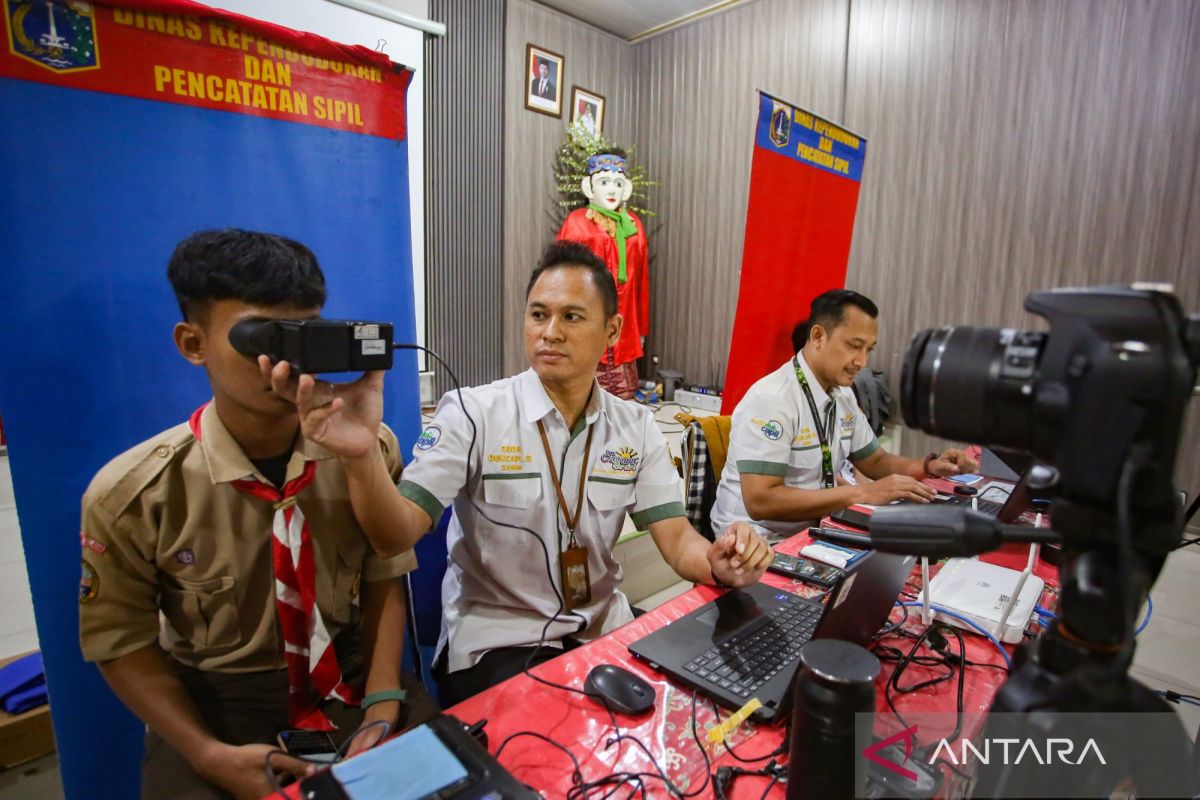
The Digital Population Identity (IKD) is part of the transformation of population administration in Indonesia. The service allows population identity to be accessed digitally via mobile phone.
IKD is electronic information used to represent population documents in digital form. Its implementation is regulated by Home Affairs Ministerial Regulation (Permendagri) No. 72 of 2022, which remains in force.
IKD, often referred to as Digital KTP, is a form of digitalising population identity into an electronic device. It contains population information that can be used to support digital administrative services.
The government developed IKD as part of efforts to build a digital public service ecosystem. The Directorate General of Population and Civil Registration (Dukcapil) also describes IKD as one of the important pillars of Indonesia’s public digital infrastructure.
IKD can be used through the official application developed by the Ministry of Home Affairs through Dukcapil. The application provides population identity in digital form, including a QR code for certain needs.
Questions about the obligation to have IKD still often arise because the public assumes the digital KTP will immediately replace the physical electronic KTP.
It should be noted that IKD is part of the implementation of digital population administration, but its existence does not automatically mean the physical e-KTP becomes invalid. Permendagri No. 72 of 2022 regulates the implementation of IKD as well as electronic KTP standards.
Therefore, the public should not assume that the physical e-KTP must be discarded immediately after having IKD. Both relate to population identity, but are used in different forms and mechanisms.
There are several reasons why IKD is increasingly important amid the development of digital-based public services.
First, it facilitates access to identity. Population identity can be accessed via mobile phone, so the public does not always need to carry physical documents for certain needs that already support digital services.
Second, it supports digital public services. IKD was developed to be part of the digital public service ecosystem. The government aims for digital identity to become one of the gateways to access various services in a more integrated manner.
Third, it is more practical. Population documents available digitally can help the public when they need identity information in services that already support IKD.
IKD is designed with digital security mechanisms. However, the public must still maintain the confidentiality of data, PINs, and access to the devices used to access the application.
Creating IKD is done through the official Digital Population Identity application and requires an identity activation process.
The public needs to download the official application, enter the requested data, then follow the verification process in accordance with Dukcapil provisions. In certain processes, activation may require assistance from Dukcapil officers to ensure the applicant’s identity.
The public also needs to be wary of parties claiming to offer IKD registration through private messages. Dukcapil reminds the public to use official channels and not provide personal data to unclear parties.
The presence of IKD does not mean the public can ignore the population documents they already have. The e-KTP remains a valid population identity document, while IKD is a digital form developed to support the transformation of population administration services.
Thus, members of the public who do not yet have IKD can begin activation through Dukcapil services in accordance with applicable procedures. The presence of digital identity is expected to make administrative services easier, faster, and more integrated.
Source: jawawa.id (https://jawawa.id/newsitem/what-is-ikd-and-how-to-create-it-a-look-at-the-official-digital-ktp-function-1787374315)
Originally published by Antara (Indonesian) (https://www.antaranews.com/berita/5706309/apa-itu-ikd-dan-cara-buatnya-cek-fungsi-ktp-digital-resmi), translated from Indonesian