
What is Galodo, the Flash Flood that Hit Solok in West Sumatra?
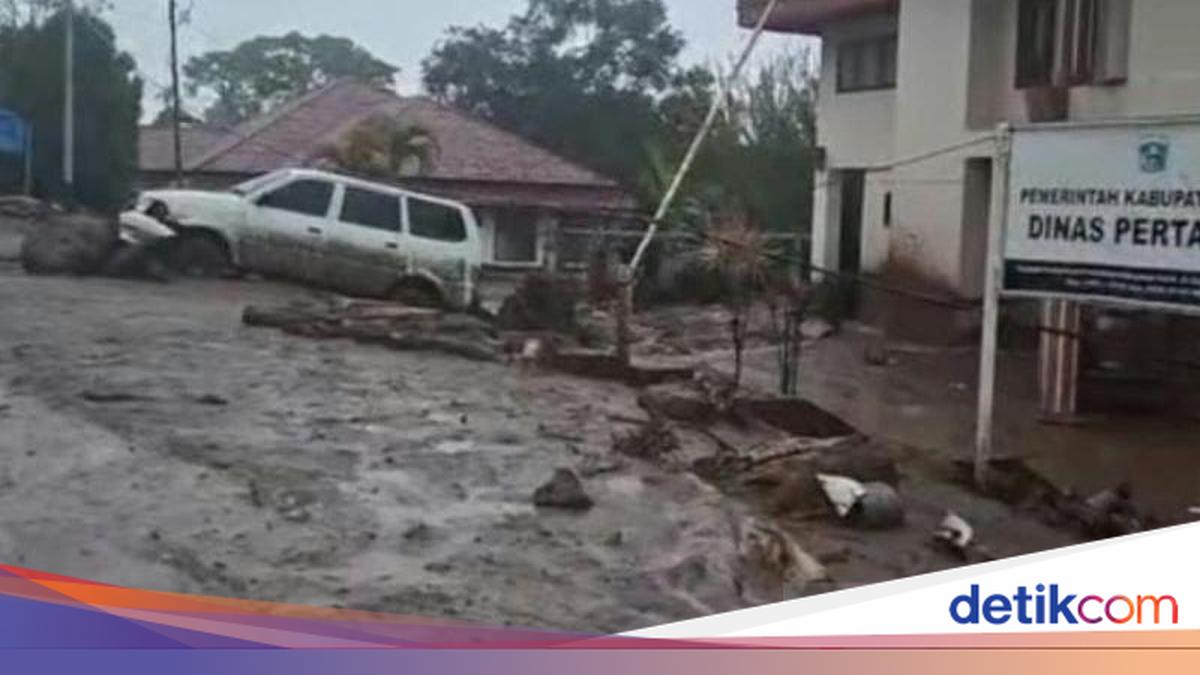
A flash flood, or ‘galodo’, has struck the area surrounding the Solok Regent’s office in Nagari Batang Barus, Solok Regency. The Solok-Padang access road in the Arosuka area, Solok Regency, West Sumatra, has been cut off due to being covered by flood debris.
According to the Solok Police Traffic Unit Head, Iptu Akbar Kharisma Tanjung, on Tuesday (22/09/2026), motorists travelling from Solok to Padang or vice versa are urged to use an alternative route via Padang Panjang for the time being. “Due to the flood material covering the Solok-Padang road, it cannot be passed temporarily,” said Akbar.
Based on reports from the Solok Regency Regional Disaster Management Agency (BPBD), the flash flood or ‘galodo’ hit the Arosuka Office Complex on Monday (21/09/2026) at approximately 20:00 WIB. A joint team consisting of the BPBD, TNI, Polri, the Solok Regency Fire Department, and local residents immediately carried out evacuations and rescue operations shortly after the flood hit the area.
What is Galodo?
Quoting from the Ministry of Public Works (PU) website, a flash flood or ‘galodo’ is a natural disaster that occurs suddenly due to high-intensity rainfall, accompanied by a flow of materials such as rocks, sand, mud, wood, and other debris that possess high destructive power, particularly in areas with steep topography and high erosion risk.
For example, Mount Marapi, located in Agam and Tanah Datar Regencies, is one of the most active volcanoes in Sumatra. During periods of high rainfall, volcanic materials from Marapi, such as ash and rocks, mix with rainwater and flow down the mountain slopes at high speeds. This phenomenon of rain-induced lahar floods is known by local residents as ‘galodo’.
Mitigating ‘galodo’ is carried out through the improvement of land cover in upstream areas, riverbed normalisation, the management of high-risk areas, and the construction of sediment control structures such as ‘sabo dams’ to reduce the destructive power of flash floods. These efforts are strengthened by ‘sabo plan’ planning, the development of Early Warning Systems (EWS), and increased community preparedness.
A sabo dam is a structure designed to control the flow of debris or lahar, built across a riverbed to retain, hold, and divert part of the material or sediment. Sabo dams are built in tiers within a weir so that they can channel water while simultaneously trapping sediment or volcanic deposits. If the weir is unable to contain all the debris flow, it is released through the top (overtopping), thereby minimising the risk of lahar flood disasters downstream.
Source: jawawa.id (https://jawawa.id/newsitem/what-is-galodo-the-flash-flood-that-hit-solok-in-west-sumatra-1790049564)
Originally published by detikcom (https://news.detik.com/berita/d-8673432/apa-itu-galodo-yang-terjang-solok-di-sumbar), translated from Indonesian