
What Is Fatty Liver and How Can It Be Prevented?
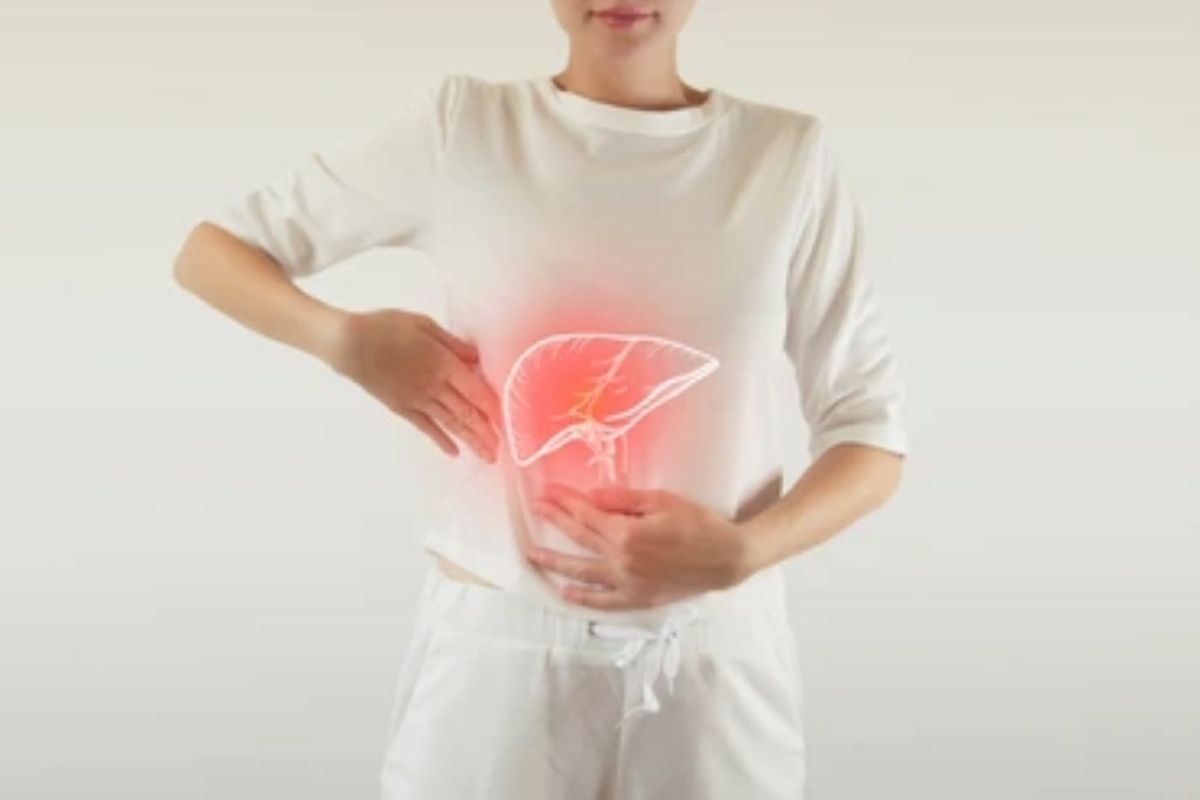
Jakarta (ANTARA) – Fatty liver, or hepatic steatosis, is a condition in which excess fat builds up in liver cells. It often goes unnoticed because it usually causes no specific symptoms in its early stages. However, over time, the build-up can lead to inflammation and more serious liver damage.
The liver plays an important role in the body, helping with digestion, processing nutrients, storing energy and removing harmful substances from the blood. Its health therefore needs to be maintained so that it can function properly.
Fatty liver does not only affect people who drink alcohol. One type is associated with metabolic disorders such as obesity, type 2 diabetes and high blood lipid levels.
What exactly is fatty liver, what causes it, and how can it be prevented?
What is fatty liver?
Fatty liver is a condition in which excessive amounts of fat accumulate in the liver. The medical term is hepatic steatosis.
Broadly, fatty liver is divided into two groups according to its cause: liver fat associated with alcohol consumption and liver fat not associated with alcohol.
Fatty liver linked to metabolic dysfunction is now known as metabolic dysfunction-associated steatotic liver disease (MASLD). It was previously more commonly called non-alcoholic fatty liver disease (NAFLD).
Liver disease caused by alcohol consumption is known as alcohol-associated liver disease (ALD).
In some people, fat accumulation in the liver causes only minor problems. In other cases, it can trigger inflammation and damage to liver cells. If the condition progresses, it can lead to fibrosis, or the formation of scar tissue, cirrhosis and even an increased risk of liver cancer.
How common is fatty liver?
Fatty liver is a widespread health problem in many countries. It is closely associated with rising rates of obesity, type 2 diabetes and metabolic disorders.
A global study published in the Journal of Hepatology in 2023 estimated that around 30.05 per cent of adults worldwide had MASLD, then more commonly known as NAFLD. That estimate used the NAFLD definition and data from a different period.
A Global Burden of Disease analysis published in April 2026 estimated that about 1.3 billion people, or 16.1 per cent of the world’s population, had MASLD in 2023. These estimates cannot be compared directly because they use different definitions and methods.
The figures underline that fatty liver is not confined to a particular group. Diet, physical activity, body weight and metabolic health all affect a person’s risk.
Causes and risk factors
Fatty liver can be influenced by a range of factors, particularly metabolic disorders and everyday habits.
The following conditions can increase a person’s risk:
Obesity or excess weight. Excess body fat, particularly around the abdomen, is associated with a higher risk of fat accumulating in the liver.
Type 2 diabetes. Insulin resistance makes it harder for the body to regulate blood sugar and can increase fat accumulation in the liver.
High cholesterol and triglycerides. Uncontrolled blood lipid levels can be associated with a greater risk of fatty liver.
An unhealthy diet. Regularly consuming foods high in added sugar, sweetened drinks, foods high in saturated fat and ultra-processed products can increase the risk of metabolic disorders.
Insufficient physical activity. Sitting for long periods and rarely exercising can raise the risk of obesity and insulin resistance.
Excessive alcohol consumption. Alcohol can cause fat to build up and damage liver cells, especially when consumed excessively over a long period.
Fatty liver does not affect only people who are overweight. People of normal weight can also develop the condition, particularly if they have metabolic disorders or other risk factors.
Symptoms to watch for
One reason fatty liver warrants attention is that it often develops without clear symptoms.
In the early stages, a person may notice no changes even though fat has already accumulated in the liver.
When symptoms do appear, they may include:
Feeling tired easily, even without strenuous activity.
Discomfort or pain in the upper right-hand side of the abdomen.
A feeling of fullness or discomfort in the abdomen.
Unintended weight loss in more advanced disease.
Yellowing of the skin and whites of the eyes if more serious liver problems develop.
At an advanced stage, particularly if the condition progresses to cirrhosis, swelling in the abdomen or legs, easy bruising and changes in the colour of the skin and eyes may occur.
These symptoms do not necessarily indicate fatty liver. A medical examination is needed to establish their cause.
How to prevent fatty liver
Preventing fatty liver can start with changes to everyday habits. Improving diet, maintaining a healthy weight and engaging in regular physical activity are important ways to reduce the risk of fat building up in the liver.
- Maintain a healthy weight. This is an important step in reducing the risk of fatty liver, particularly for people who are overweight or obese.
Gradual weight loss can help reduce fat in the liver. Clinical guidelines from EASL, EASD and EASO in 2024 state that losing at least 5 per cent of body weight can help reduce liver fat.
A loss of around 7–10 per cent may improve liver inflammation, while a loss of 10 per cent or more may help improve fibrosis in some patients.
Weight loss should be gradual and tailored to each person’s health needs.
- Cut back on foods high in sugar. Limit foods and drinks with added sugar, such as fizzy drinks, packaged tea, sweetened beverages, cakes and sugary desserts.
Excessive sugar intake can increase the risk of metabolic disorders and fat accumulation in the liver. Choose water as the main drink and whole fruit rather than fruit juice with added sugar.
- Eat more fruit and vegetables. A balanced diet can help maintain liver health and manage body weight.
Vegetables, fruit, nuts, wholegrains and lean sources of protein can all form part of a daily diet. Limit foods high in saturated fat and ultra-processed products, and favour fresh ingredients with a variety of nutrients.
- Engage in regular physical activity. Exercise can improve insulin sensitivity, help control weight and reduce fat accumulation in the liver.
Adults can aim for more than 150 minutes of moderate-intensity physical activity each week, or 75 minutes of vigorous-intensity activity. Options include brisk walking, cycling, swimming, aerobics and other exercise suited to a person’s abilities.
Those who are not used to exercising can start gradually, with shorter sessions.
- Avoid alcohol. Alcohol can harm liver health because it is processed by the organ.
Avoiding alcohol is an important way to protect liver health, particularly for people with fatty liver or impaired liver function. Anyone diagnosed with fatty liver should also consult a doctor about alcohol consumption in light of their health condition.
- Keep blood sugar and blood lipid levels under control. Diabetes, high cholesterol and uncontrolled triglycerides are among the factors associated with fatty liver.
Regular health checks are therefore needed to assess metabolic health. Anyone with diabetes or high cholesterol should follow their treatment and doctor’s advice, and should not stop or change medication without first consulting a doctor.
Diagnosis and medical checks
Because it often causes no symptoms, fatty liver is sometimes discovered during a health check or an abdominal examination carried out for another reason.
Doctors may use several tests to assess the liver, including:
Blood tests. These may include liver enzymes such as alanine aminotransferase (ALT) and aspartate aminotransferase (AST). Normal enzyme levels do not always rule out fatty liver.
Ultrasound. This examination uses sound waves and can help detect fat accumulation in the liver.
Liver elastography. This test assesses liver stiffness, which can provide an indication of possible scarring or fibrosis.
Liver biopsy. In certain cases, a doctor may take a sample of liver tissue to assess inflammation and organ damage in greater detail.
Not every patient needs all of these tests. A doctor will decide which examinations are appropriate based on medical history, risk factors and initial test results.
When should you see a doctor?
Health checks should not be delayed until symptoms appear. People with risk factors such as obesity, type 2 diabetes, high cholesterol or a history of liver disorders should consider further assessment.
Consult a doctor promptly if you have persistent pain in the upper right-hand side of the abdomen, unexplained fatigue or other changes in your health.
Seek urgent medical attention if the skin or eyes turn yellow, the abdomen swells, you vomit blood or you experience altered consciousness.
Early examination can help identify the condition of the liver and determine appropriate treatment before further damage occurs.
Fatty liver is an excess build-up of fat in the liver that often causes no symptoms in its early stages. It should not be taken lightly, however, as it can progress to inflammation, fibrosis and cirrhosis.
Maintaining a healthy weight, eating a balanced diet, limiting added sugar, exercising regularly, avoiding alcohol and controlling blood sugar and blood lipid levels are among the steps that can help protect liver health.
A healthy lifestyle and regular health checks can reduce the risk of liver disorders and help protect overall health.
Source: jawawa.id (https://jawawa.id/newsitem/what-is-fatty-liver-and-how-can-it-be-prevented-1794470239)
Originally published by Antara (Indonesian) (https://www.antaranews.com/berita/5848847/apa-itu-fatty-liver-dan-bagaimana-cara-mencegahnya), translated from Indonesian