
What Is Eco-Enzyme? Six Benefits for the Home and Environment
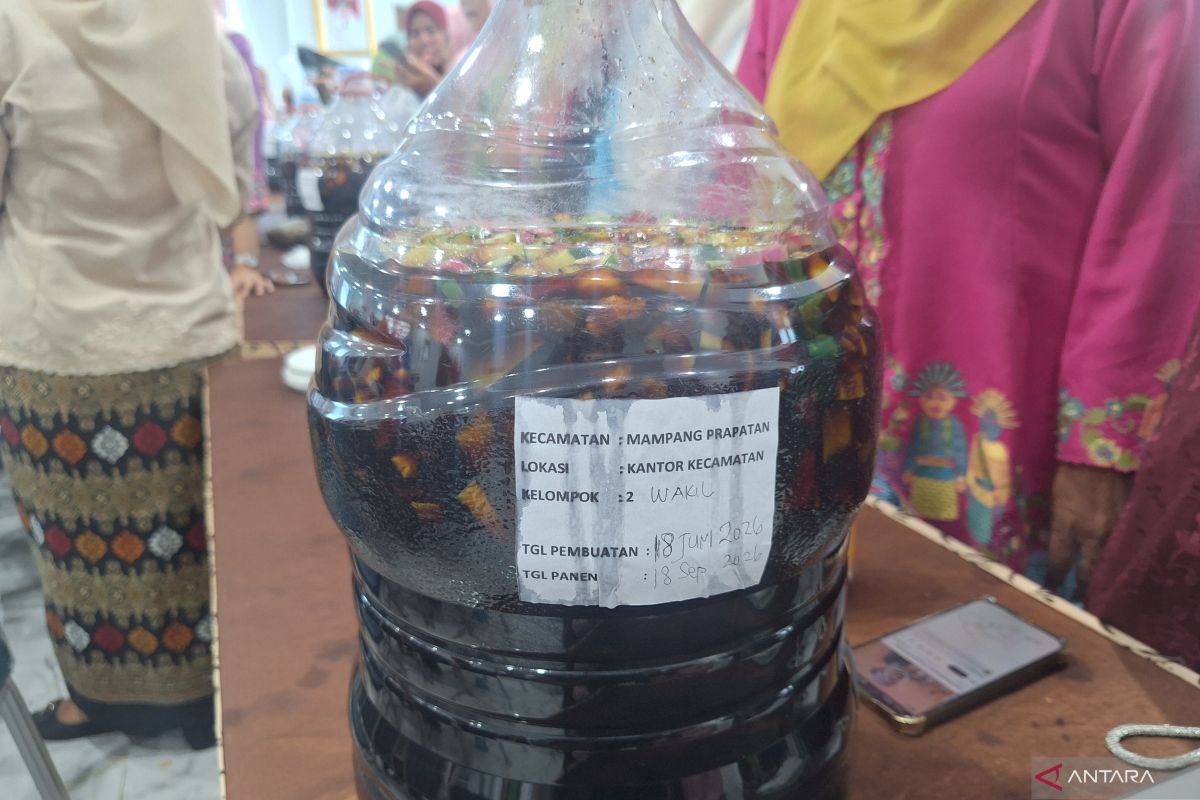
Jakarta (ANTARA) – Organic waste from food and vegetables often ends up in the bin, even though it can be turned into eco-enzyme, a versatile, environmentally friendly liquid.
Eco-enzyme can be made from kitchen waste, such as fruit peel, vegetable cuttings and other cooking scraps. So, what is eco-enzyme?
What is eco-enzyme?
Eco-enzyme is an environmentally friendly organic liquid made by fermenting organic kitchen waste. It can be used as a natural cleaning product.
After fermentation, the organic waste becomes a dark brown liquid with a distinctive, strong smell. Eco-enzyme is said to help accelerate biochemical reactions naturally because it contains beneficial enzymes.
Making eco-enzyme can have a significant impact on the environment worldwide and bring economic benefits. In terms of environmental effects, ozone gas (O3) is said to form during the fermentation process.
One of the components cited in eco-enzyme is acetic acid, while the product is also said to contain amylase, trypsin, lipase, cellulase and chitinase. These are described as helping to kill or prevent bacteria that cause disease and to accelerate chemical reactions naturally.
The fermentation process also produces nitrate (NO3) and carbon trioxide (CO3), which are needed by soil as nutrients.
Economically, eco-enzyme can reduce spending on floor cleaners and insect-killing products.
- Environmentally friendly household cleaner
Eco-enzyme can replace chemical-based household cleaners. Diluted with water, it can be used to mop floors, kill germs and repel ants and cockroaches.
It can also be used to clean glass, dissolve stubborn grease stains on cookers or kitchen counters, wash dishes and clothes, and remove fishy smells and stains without leaving toxic residue.
- Organic fertiliser and natural pesticide
For gardening enthusiasts, eco-enzyme is described as a potent natural nutrient. Diluted at a ratio of 1:1,000, it can enrich soil and stimulate root growth. Its acidity and characteristic fermented smell are also said to work as a natural pesticide, deterring pests such as mites, caterpillars and fungi that damage the surrounding ecosystem.
- Cleaning drains and wastewater
Active enzymes in eco-enzyme can break down organic matter that causes bad smells and pollution. Pouring it into drains, septic tanks or household gutters can reduce unpleasant odours and help clarify wastewater naturally before it flows into rivers.
- Air freshening and odour control
Spraying an eco-enzyme solution into the air can neutralise unpleasant smells, including those from cigarette smoke, rubbish, pet cages and bathrooms.
- Lower household spending
Making eco-enzyme at home can reduce purchases of chemical floor cleaners and other cleaning products at a much lower cost.
- Reducing organic waste and methane emissions
Processing fruit and vegetable scraps at home directly reduces the volume of waste sent to landfill, thereby curbing methane emissions that contribute to global warming.
Turning fruit peel into eco-enzyme is a practical, easy and inexpensive way to begin living more sustainably. One bottle can not only save household expenses but also benefit the planet, according to the Ministry of Health and other sources.
Source: jawawa.id (https://jawawa.id/newsitem/what-is-eco-enzyme-six-benefits-for-the-home-and-environment-1791733947)
Originally published by Antara (Indonesian) (https://www.antaranews.com/berita/5781224/apa-itu-eco-enzyme-ini-6-manfaatnya-untuk-rumah-dan-lingkungan), translated from Indonesian