
What Is Dalihan Na Tolu? Understanding Its Meaning and Three Main Elements
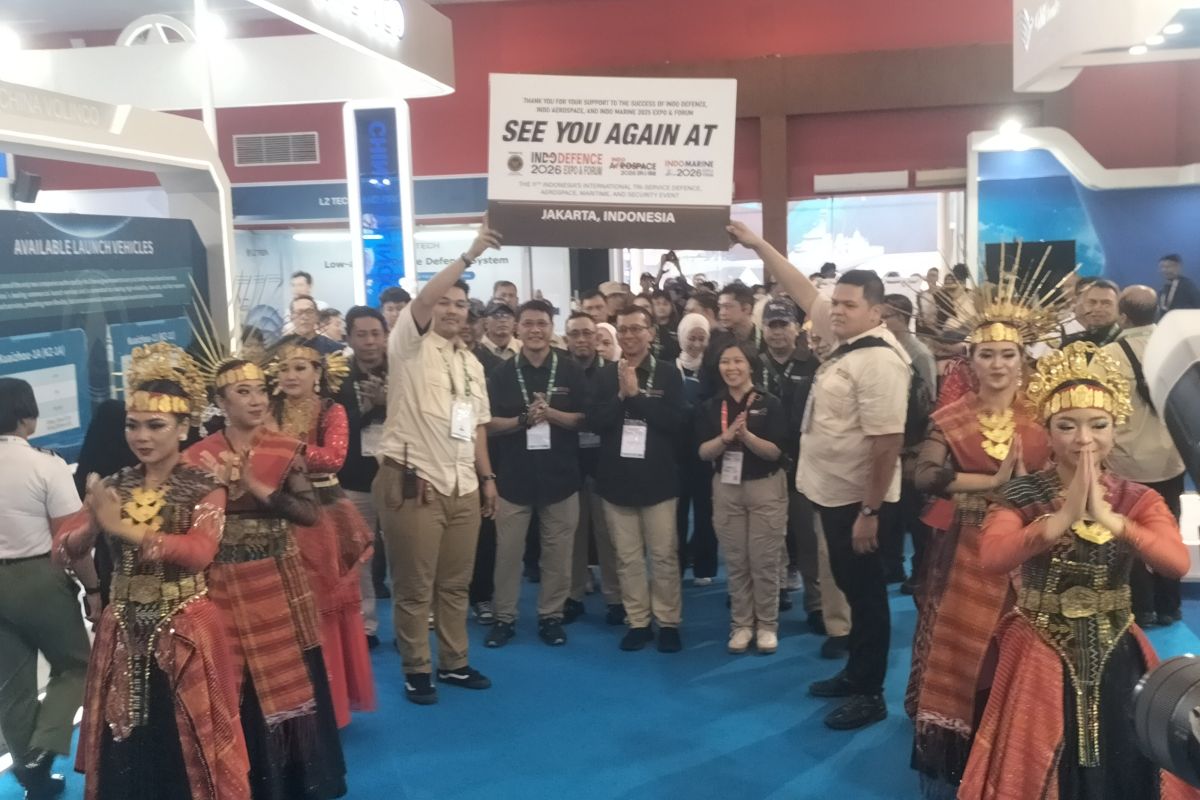
Jakarta (ANTARA) - The Batak Toba people have a philosophy of life that guides family relationships and customary practices: Dalihan Na Tolu. Literally, the term means a hearth consisting of three supports. The philosophy illustrates that society can function well when each kinship group supports the others and fulfils its role.
Dalihan Na Tolu is not merely a customary concept used in wedding or funeral ceremonies. Its values also guide people in their conduct, respect for family, resolution of problems and maintenance of relations among relatives.
What does Dalihan Na Tolu mean?
In the past, Batak communities used a hearth made of three stones to support a pot while cooking. The stones had to be positioned in balance for the pot to stand securely.
This image became a symbol of kinship in Batak Toba custom. Each of its three elements has its own position and responsibilities, but they depend on one another to maintain balance in social life.
The three elements of Dalihan Na Tolu
The first element is hula-hula: the family that gives a woman in marriage, or the wife’s family of origin. In Batak Toba custom, hula-hula receives special respect because it is seen as playing an important role in family life.
The value associated with this relationship is expressed in the phrase somba marhula-hula, which teaches the importance of respecting hula-hula.
The second element is dongan tubu or dongan sabutuha, relatives who belong to the same clan lineage. This relationship calls for mutual respect, solidarity and care in one’s actions so that disputes do not damage family ties.
This principle is expressed in the phrase manat mardongan tubu. It means that people should act thoughtfully and maintain good relations with relatives from the same clan.
The third element is boru: the family that receives a woman in marriage. At various customary events, boru plays an important role in helping organise proceedings and supporting the needs of the hosting family.
This relationship is associated with the principle elek marboru, which teaches people to provide support, persuade kindly and maintain harmonious relations with boru.
Dalihan Na Tolu can be seen in various customary activities, including weddings, funerals, family gatherings and the resolution of disputes among relatives.
At a customary event, for example, each family group has a different role. One group may offer advice or blessings, another may help organise the event, while relatives from the same clan help ensure that everything runs smoothly.
This division of roles is not simply about who performs particular tasks. It embodies mutual cooperation, respect, responsibility and the understanding that family relationships must be maintained collectively.
Dalihan Na Tolu can also serve as a guide when differences of opinion arise. Kinship ties encourage those in conflict to seek a solution that takes account of family relationships and shared interests.
Still relevant amid changing times
As times have changed and people have migrated, Batak Toba communities have spread across many regions. Even when living far from their ancestral homes, many families continue to uphold Dalihan Na Tolu through clan associations, family gatherings and customary ceremonies.
However, understanding this philosophy requires more than memorising its three kinship groups. Its values of mutual respect, preserving relationships and fulfilling responsibilities also need to be practised in everyday life.
Ultimately, Dalihan Na Tolu teaches that social relationships require balance. Like a hearth with three supports, each group has a different role, but all are needed to keep family and community life harmonious.
Source: jawawa.id (https://jawawa.id/newsitem/what-is-dalihan-na-tolu-understanding-its-meaning-and-three-main-elements-1794617455)
Originally published by Antara (Indonesian) (https://www.antaranews.com/berita/5853227/apa-itu-dalihan-na-tolu-kenali-makna-dan-3-unsur-utamanya), translated from Indonesian