
What is CNG? This Natural Gas is Being Prepared as a Replacement for 3 Kg LPG Starting in 2026
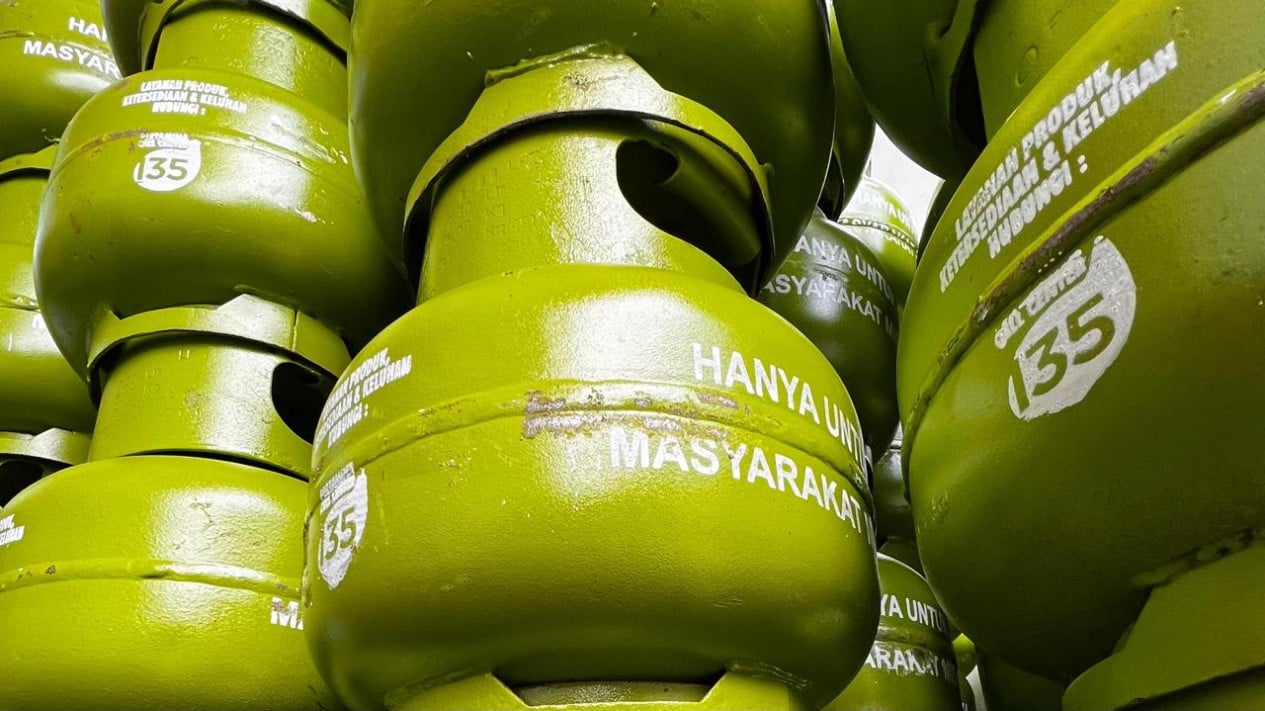
The government is seriously promoting the use of alternative energy to reduce reliance on LPG imports. One step now being prepared is the utilisation of Compressed Natural Gas (CNG), or compressed natural gas, as a replacement for 3 kg LPG cylinders for households.
This plan was conveyed by the Ministry of Energy and Mineral Resources (ESDM), which targets the initial implementation of CNG to begin this year gradually in major cities on Java island.
In addition to being considered cheaper in terms of subsidies, CNG is also deemed to have abundant raw material supplies because it comes from domestic natural gas. The Director General of Oil and Gas of the Ministry of ESDM, Laode Sulaeman, said the government is currently preparing various technical aspects before the programme runs.
“This year,” said Laode Sulaeman in Jakarta on Tuesday, 5 May 2026.
What is CNG?
According to MET on Thursday, 7 May 2026, CNG stands for Compressed Natural Gas, or natural gas compressed at high pressure. Its main raw material comes from natural gas containing methane, as well as other elements such as nitrogen, carbon dioxide, propane, and ethane.
In simple terms, natural gas is compressed until its volume shrinks drastically, making it easier to store and distribute. After the compression process, the volume of CNG is only about 1 percent of its original gas size.
So far, CNG has been more known as a fuel for vehicles and industry. However, the government is now beginning to examine its use for household needs as an alternative to LPG.
One of the main challenges of using CNG for households is the cylinder safety factor. This is because the pressure of CNG gas is much higher than regular LPG. Laode explained that the government is currently preparing a special small-sized cylinder design to suit the characteristics of CNG.
According to him, the pressure of CNG reaches around 250 bar, while the pressure of LPG is in the range of 5 to 10 bar. This pressure difference requires the cylinder design to be adjusted to ensure safe use by the public.
“Lemigas (the Oil and Gas Testing Centre) conducts tests on the cylinders in every stage, then pressure tests, and so on. This is indeed the most important factor,” said Laode.