
What Is Behind Indonesia's Premium Rice Sales Limits?
What Is Behind Indonesia’s Premium Rice Sales Limits?
Reporter
September 21, 2026 | 04:16 pm
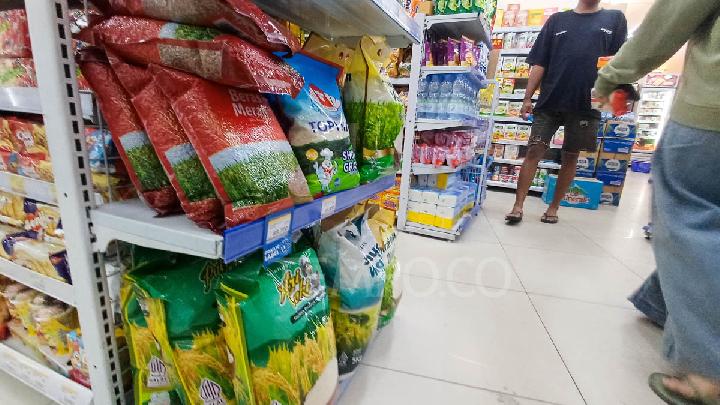
TEMPO.CO, Jakarta - Modern retailers are restricting consumer purchases of premium rice due to severe supply constraints. Secretary General of the Indonesian Retailers and Shopping Mall Tenants Association (HIPPINDO), Haryanto Pratantara, stated that the shortage stems from pricing bottlenecks tied to the government-mandated highest retail price (HET).
“The supply of premium rice is currently very limited, so its sale to consumers must be restricted,” Haryanto told Tempo on Monday, September 21, 2026.
He noted that modern retailers strictly comply with government regulations when setting retail prices for premium rice. However, a majority of suppliers can no longer afford to deliver stock at those mandated price points. This financial strain has prompted several suppliers to either halt operations or shift toward producing higher-priced specialty rice.
Haryanto also highlighted the recent recall of fortified rice, particularly within specialty rice categories. Consequently, the availability of specialty rice across modern retail channels has hit major disruptions.
Earlier, Chair of the Indonesian Rice Millers and Rice Traders Association (Perpadi) Sutarto Alimoeso stated that national production of fortified rice, or rice enriched with vitamins and minerals, remains relatively modest at around 15,000 tons per month.
“Fortified rice, or rice enriched with vitamins and minerals, is in short supply at roughly 15,000 tons per month,” Sutarto told Tempo on Friday, September 18, 2026.
He added that some producers favor this segment because specialty rice can be legally sold above the HET, allowing mills to keep operating and prevent worker layoffs.
Sutarto pointed out that millers struggle to supply premium rice under the HET ceiling because the farm-gate price for harvested dry paddy (GKP) has surged from Rp7,000 per kilogram to over Rp8,000 per kilogram. “Selling premium rice at retail will definitely violate HET and create problems,” he warned.
He said that soaring raw paddy prices are the main driver behind the current premium rice shortfall. High market demand coupled with a seasonal dip in harvest yields has triggered competition for available grain. As processing costs escalate, millers can no longer distribute premium rice at prices compliant with the official price cap.
Sutarto further noted that overall domestic rice output currently falls short of monthly national consumption due to seasonal factors. He urged the government to carefully calibrate the timing, location, volume, pricing, and mechanics of its procurement and Food Supply and Price Stabilization (SPHP) program in order to not disrupt market balance.
Agriculture Minister and Head of the National Food Agency (Bapanas) Andi Amran Sulaiman previously assured the public that premium rice availability in modern retail would remain stable following the revocation of 25 fortified rice brands found to have committed regulatory violations.
Amran stated that his agency has instructed the State Logistics Agency (Bulog) to step up premium rice distribution to modern retailers, emphasizing that government reserves are adequate to meet public demand and ensure diverse options for consumers.
Read: Indonesia Confident Food Supply Remains Strong Amid Extreme El Nino
Click here to get the latest news updates from Tempo on Google News