
What is a Livable House? Here is the Definition and Its Criteria
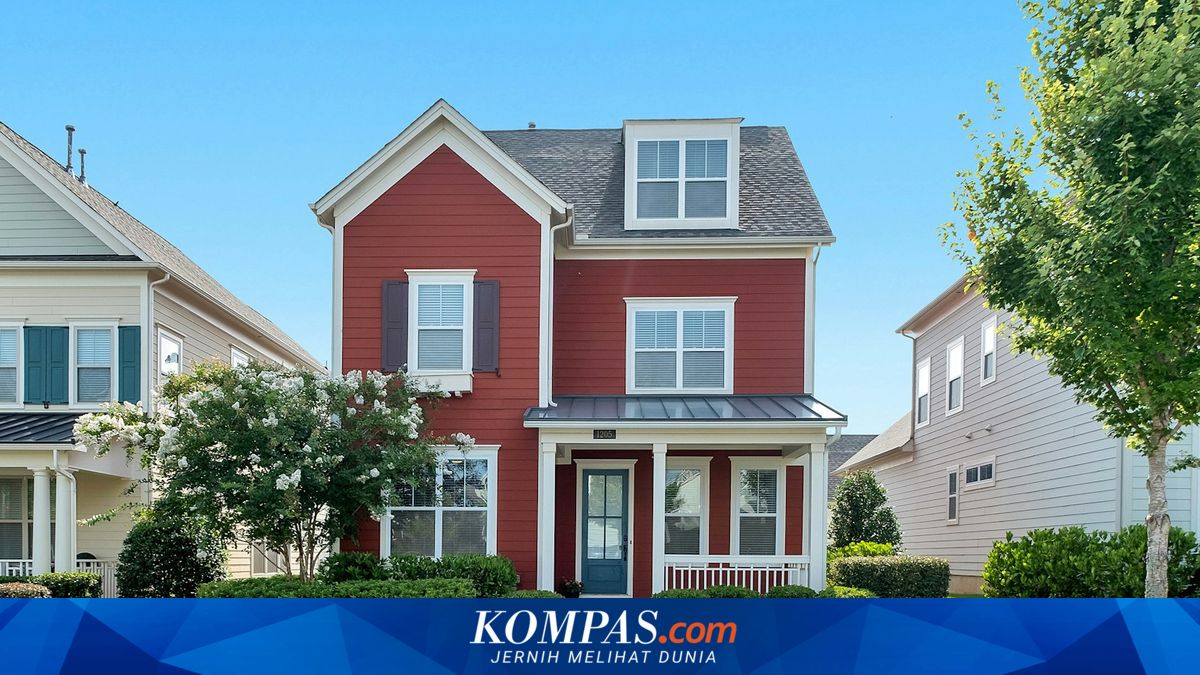
JAKARTA, KOMPAS.com - A house is not merely a shelter, but the primary space for humans to live safely, healthily, and comfortably. Therefore, the concept of a livable house becomes an important matter that needs to be understood, especially amid population growth and continuously increasing housing needs. “Everyone has the right to live in a decent house, a safe, healthy, and comfortable shelter to grow and live life. However, realising housing that meets all aspects of decency is not an easy matter, especially amid challenges of limited land, population growth, and continuously increasing housing needs,” said the Director of Housing and Settlement Technical Development, Syamsiar Nurhayadi, quoted from the Livable House Pocket Book, Tuesday (28/04/2026). Before understanding the definition of a livable house, it is necessary to first understand the meaning of a house. A house is a building that functions as a livable dwelling, a means of family development, a reflection of the dignity and honour of its occupants, and an asset for its owner. Meanwhile, a livable house is a house that meets building safety requirements, minimum adequate building area, and the health of its occupants. On the other hand, a slum settlement is a settlement that is not livable due to irregular buildings, high building density, and building quality as well as facilities and infrastructure that do not meet the requirements. There are 5 criteria for a livable house listed in the Livable House Pocket Book, including building durability and safety; adequacy of living space; access to decent drinking water; access to decent sanitation; and good lighting and ventilation. Here is the explanation: 1. Building Durability and Safety The building safety aspect relates to the reliability of the house structure to ensure safety for occupants. The building structure must consist of sturdy components, from foundations, columns, walls, to roof frames. In addition, the materials used must be durable and not easily damaged. The building condition should also not be cracked or tilted.