
What Is a Caregiver and What Challenges Do They Commonly Face?
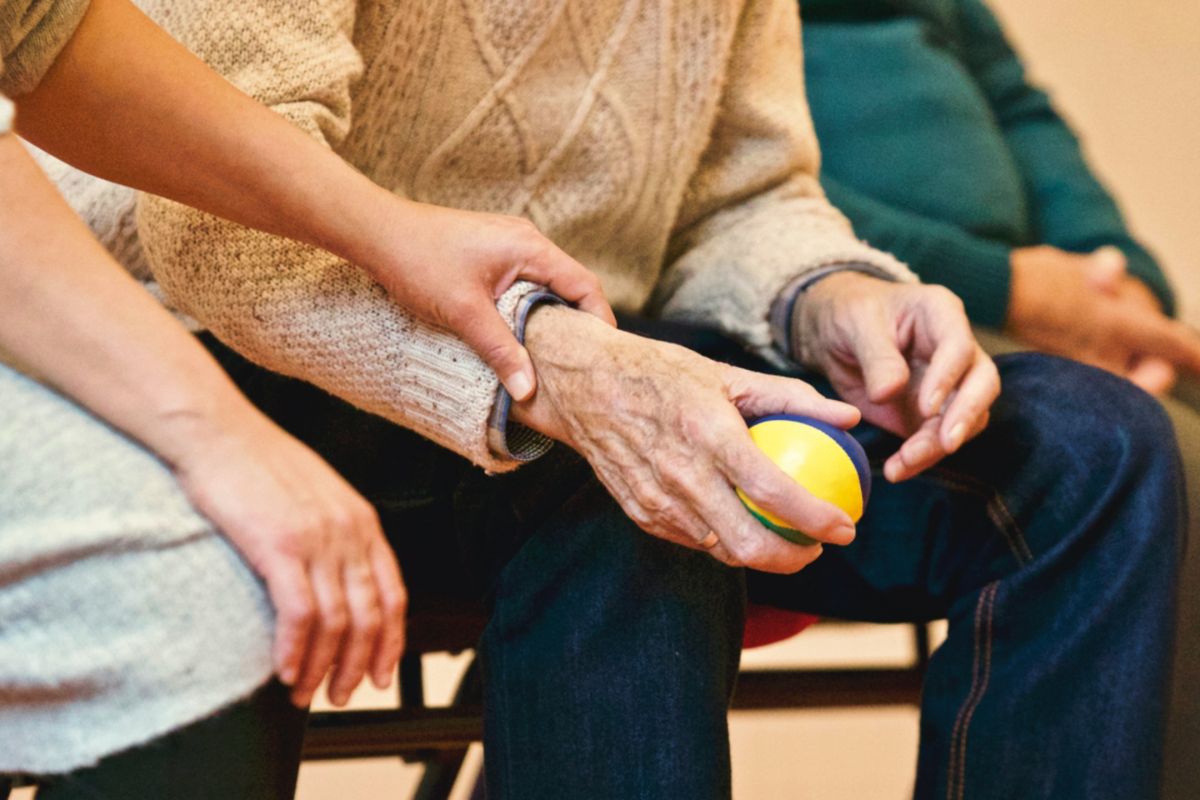
Jakarta (ANTARA) – Caring for a sick family member, accompanying an older person or helping someone with a disability manage everyday activities takes time, energy and patience. These responsibilities are often taken on by family members, even when they also have to work and meet their own needs.
In healthcare, people who provide this support and care are known as caregivers. Their role involves more than meeting physical needs: they also offer emotional support, organise medication schedules and ensure that the person receiving care gets help suited to their needs.
Caregivers are an important part of long-term care systems. The World Health Organization (WHO) says informal caregivers, including family members and friends, help people who need support with daily activities. However, these responsibilities can also affect caregivers’ health, social lives and financial circumstances.
What is a caregiver?
A caregiver is someone who provides assistance and care to another person who needs support because of their health, age, disability or limitations in carrying out everyday activities.
Caregivers can be divided into informal and professional carers according to the nature of their work. Informal carers are usually family members, partners, friends or other people close to the individual who provide assistance without making it their main occupation. Professional caregivers provide care as part of their job, either at home or in healthcare facilities.
A caregiver’s duties may include helping someone to eat, bathe, get dressed or move around; organising medication schedules; accompanying them to medical appointments; and providing emotional support. For people with particular conditions, such as dementia, caregivers may also help maintain their safety and manage changes in behaviour.
The role does not always require a medical background. However, procedures involving medical care or specialised treatment should only be carried out within the caregiver’s competence and under the guidance of healthcare professionals.
Challenges commonly faced by caregivers
- Physical exhaustion and inadequate rest
Caring for someone who needs daily assistance can be physically demanding. Tasks such as helping them bathe, lifting or moving them, preparing food, taking them to medical appointments and monitoring their health may need to be repeated regularly.
The burden can become heavier when caregivers provide care for almost the entire day without help from anyone else. Their sleep and opportunities to rest may also be reduced.
The US National Institute on Aging (NIA) warns that caregivers risk exhaustion, sleep disturbances and health problems if they continually neglect their own physical needs.
- Emotional strain and mental health
The responsibility of caring for someone else can also cause emotional strain. Caregivers may worry about the person’s condition, feel sad as their health declines or become overwhelmed by having to make many decisions every day.
This situation can lead to anxiety, loneliness, irritability and a loss of motivation to pursue personal activities. Caregivers may also feel guilty when they want to rest or spend time on themselves.
WHO data published in October 2024 says informal caregivers are 20 per cent more likely to experience mental health problems than people who do not have caregiving responsibilities. The burden can become heavier when carers also have jobs or look after children.
- Difficulty balancing work and family responsibilities
Some caregivers continue working to support their households. They may also have other responsibilities, such as caring for children, a partner or other family members.
Balancing their time is therefore a challenge. Medical appointments, sudden care needs or changes in the person’s condition can disrupt work and personal activities.
The 2025 Caregiving in the US report, produced by the National Alliance for Caregiving and AARP, estimates that around 63 million adults in the United States provide ongoing care to adults or children with medical conditions or disabilities. That is almost one in four adults in the country.
The figure illustrates the significant role family caregivers play in society. However, the data comes from the United States and cannot be directly used to estimate the number of caregivers in Indonesia.
- Financial pressure
Care needs can add to a family’s expenses, including transport to healthcare facilities, special food, care supplies and medicines not fully covered by health insurance.
In some circumstances, caregivers may also need to reduce their working hours or leave their jobs to look after the person in their care. As a result, household income can fall just as expenses rise.
In a 2024 publication on long-term care financing, WHO explained that informal caregivers make a substantial economic contribution.
Estimates from various countries suggest that informal care can be worth between 0.8 and 4.9 per cent of gross domestic product (GDP) a year, including the value of time spent caring and lost work productivity.
- Limited support and caregiving skills
Not all caregivers have sufficient knowledge when they begin looking after a family member. Some have to learn on their own how to help with daily activities, understand changes in health or respond to challenging behaviour.
A lack of support can also leave the responsibility resting on one person. Sharing tasks with other family members or getting help from professional carers can reduce the burden on the primary caregiver.
WHO stresses the importance of support and training for families caring for people with dementia. The NIA, meanwhile, advises caregivers to ask for help, make use of support groups and seek information from healthcare professionals and available social services.
The importance of caregivers’ health
Caregivers’ wellbeing deserves attention because their health affects the continuity of care. If physical exhaustion and emotional strain are allowed to persist, caregivers may struggle to fulfil their responsibilities effectively.
One practical step is to share tasks with other family members so that care does not depend on just one person. Time for rest should also be scheduled, including opportunities to get enough sleep, exercise, eat regularly and stay connected with others.
Caregivers can consult healthcare professionals if they begin experiencing sleep problems, prolonged anxiety, persistent sadness or exhaustion that interferes with everyday activities. Professional help and support groups can provide information and a space to share experiences.
Caring for someone else requires commitment and compassion. However, looking after one’s own health is also an important part of the process. Family support, access to information and shared responsibilities can help caregivers carry out their role without continually neglecting their own needs.
Source: jawawa.id (https://jawawa.id/newsitem/what-is-a-caregiver-and-what-challenges-do-they-commonly-face-1794210715)
Originally published by Antara (Indonesian) (https://www.antaranews.com/berita/5841215/apa-itu-caregiver-dan-apa-tantangan-yang-sering-dihadapi), translated from Indonesian