
What Happens to Your Body if You Stay Up Late Regularly
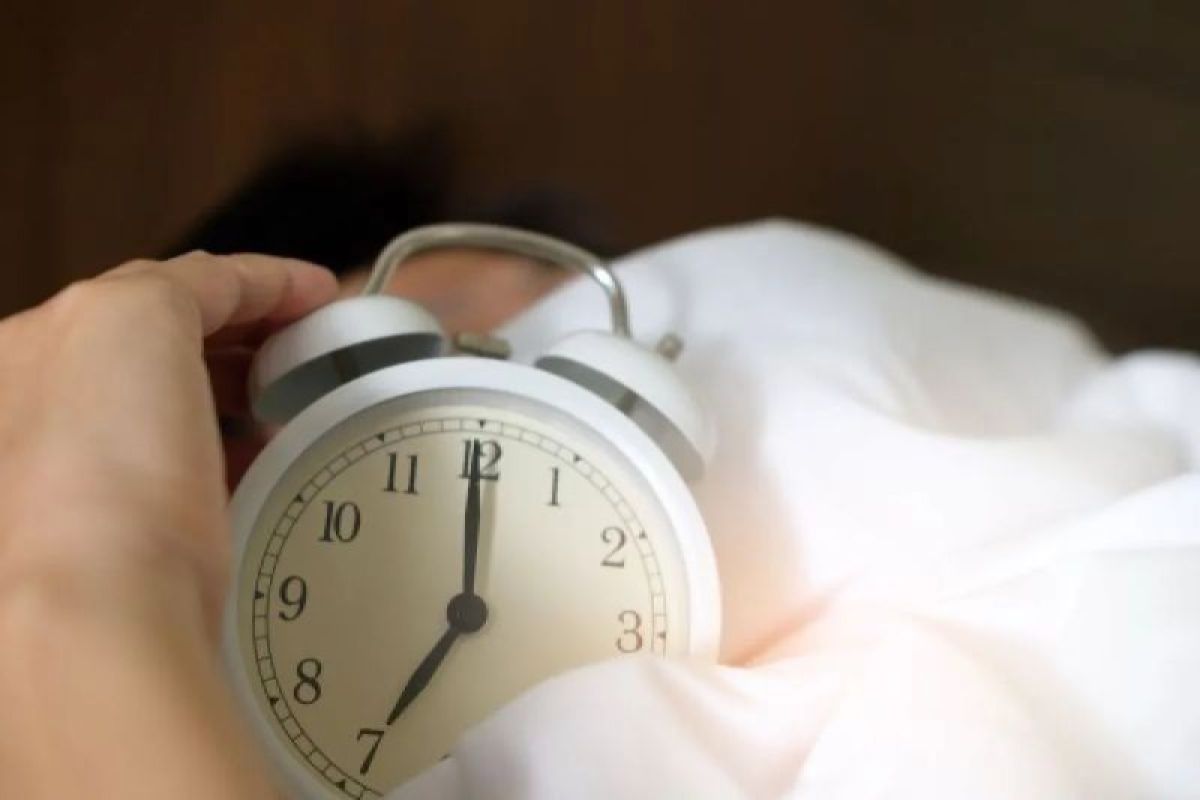
Jakarta (ANTARA) – Staying up late is a habit for some people, whether because of work, assignments, gaming or spending too long on their phones. Going to bed later than usual occasionally may not cause an immediate serious problem. However, if it becomes a regular habit and reduces sleep time, it can affect physical and mental health.
Sleep is more than simply a time to rest. While we sleep, the body carries out various important processes, from repairing tissue and regulating hormones to strengthening the immune system and helping the brain store information and form memories.
As a result, long-term sleep deprivation can make it harder for the body to function optimally. Here are some effects that may occur if you regularly stay up late.
- Reduced concentration and memory
One of the effects of sleep deprivation that is felt most quickly is reduced ability to concentrate. You may lose focus more easily, struggle to understand information or take longer to complete tasks.
Sleep deprivation can also interfere with the brain’s ability to process information and form memories. This can make studying and work requiring attention to detail more difficult.
Reaction times may also slow and the risk of making mistakes may increase. In some circumstances, sleep deprivation can even trigger microsleep, when a person falls asleep for a few seconds without realising it.
- Greater mood swings
Sleep deprivation affects not only physical condition but also emotions. You may become more irritable, sensitive or anxious, or find it harder to manage your feelings when dealing with everyday problems.
Over the long term, a lack of sleep is also associated with an increased risk of mental health conditions, including depression and anxiety. This does not mean, however, that sleep deprivation is always the sole cause of mental health problems.
- Weakened immune system
Sleep plays an important role in supporting the immune system. When sleep time is insufficient, the body’s response to infections can be disrupted, potentially making you more susceptible to illness.
By contrast, sufficient sleep helps the body recover and supports the immune system. Maintaining a regular sleep schedule is therefore an important part of a healthy lifestyle.
- Greater likelihood of weight gain
Staying up late can also affect appetite regulation. Sleep deprivation is associated with changes in the hormones that regulate hunger and fullness, so a person may feel hungrier or be prompted to eat more.
Being awake late into the night can also create more opportunities to snack outside regular mealtimes. Combined with low levels of physical activity, this can contribute to weight gain.
Ongoing sleep deprivation is associated with an increased risk of several health problems, including high blood pressure, heart disease, type 2 diabetes, obesity and stroke.
One reason is that sleep also helps regulate blood pressure and metabolism, as well as the body’s response to insulin, the hormone that helps control blood sugar levels.
However, disease risk is not determined by sleep habits alone. Diet, physical activity, genetic factors and other health conditions also play a role.
- Feeling weak and easily tired
Insufficient sleep means the body does not get enough time to recover. As a result, you may feel sluggish and sleepy during the day, have headaches or struggle to maintain the energy needed for daily activities.
If drowsiness occurs while driving or operating machinery, the risk is more serious because your ability to react to an emergency may be reduced.
How to reduce the effects of staying up late
For adults aged 18 to 60, the Centers for Disease Control and Prevention (CDC) recommends at least seven hours of sleep each night. In addition to duration, sleep quality and a regular schedule are also important for maintaining good health.
You can start improving your sleep habits by setting consistent times to go to bed and wake up, reducing use of electronic devices before bed, and limiting caffeine consumption in the afternoon and evening.
If difficulty sleeping keeps recurring, excessive sleepiness disrupts your daily activities, or the problem begins to affect your health, consult a health professional to identify the cause.
Source: jawawa.id (https://jawawa.id/newsitem/what-happens-to-your-body-if-you-stay-up-late-regularly-1791802480)
Originally published by Antara (Indonesian) (https://www.antaranews.com/berita/5782149/ini-yang-terjadi-kepada-tubuh-jika-begadang-terus-menerus), translated from Indonesian