
What Happens Inside a Volcano Before an Eruption? Understanding the Process
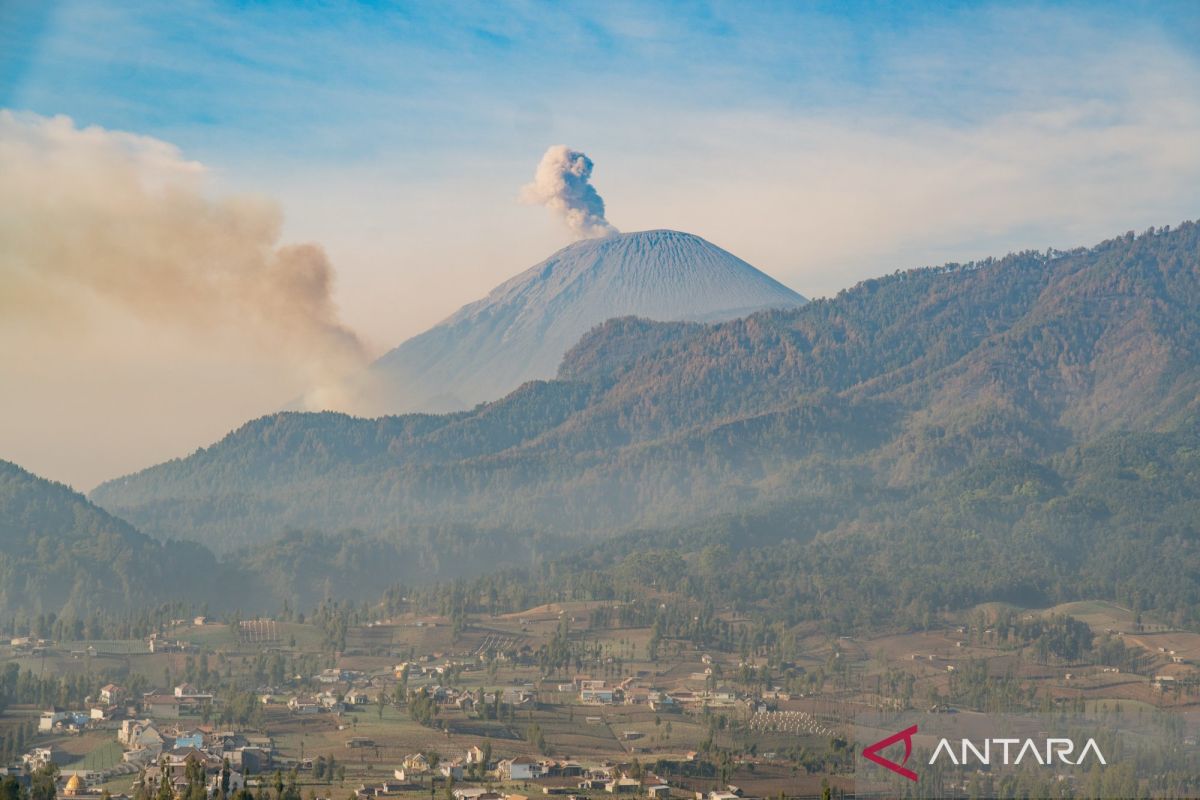
Volcanic activity in Indonesia has recently come back into the spotlight. Mount Anak Krakatau in the Sunda Strait, for instance, experienced continuous eruptions on 5 September 2026, resulting in the ejection of volcanic material and ash. The Geological Agency noted that Anak Krakatau’s activity continued with Strombolian eruptions, and as of 7 September 2026, its status remained at Level III (Alert).
It is not just Anak Krakatau. Mount Ile Lewotolok in Lembata Regency, East Nusa Tenggara (NTT), also recorded high levels of eruptive activity. Reports indicate that the volcano experienced 1,87ually 1,873 eruption-related earthquakes during the period of 1–5 September 2026.
These phenomena often lead the public to perceive volcanoes as erupting suddenly. In reality, before volcanic material reaches the surface, a series of processes take place deep within the mountain.
So, what actually happens inside a volcano before an eruption?
- Magma begins to rise
One of the most critical processes preceding an eruption is the movement of magma from deep within the Earth towards the surface. Magma is molten rock at extremely high temperatures located beneath the Earth’s surface. When certain conditions are met, magma can ascend through fractures or conduits within the volcano.
This movement does not always result in an immediate eruption. Magma may first become trapped in magma chambers or reservoirs. As pressure continues to build, the magma seeks a path to the surface.
Magma does not only consist of molten rock; it also contains dissolved volcanic gases, such as water vapour and carbon dioxide. As magma rises, the surrounding pressure decreases. This condition causes the gases previously dissolved in the magma to begin forming bubbles.
Think of it like opening a bottle of carbonated soft drink. When the pressure is reduced, the gas that was previously trapped in the liquid escapes more easily and forms bubbles. In magma, this process can increase the pressure within the volcanic system. If the pressure becomes great enough and the magma finds a path to the surface, an eruption occurs.
- Volcanic earthquakes begin to be recorded
Magma movement can also cause changes within the structure of the volcano. Magma moving through fractures can generate tremors or volcanic earthquakes. Consequently, seismic activity is one of the key parameters monitored by volcanologists.
In the case of Mount Anak Krakatau, for example, the Geological Agency recorded various types of volcanic earthquakes during the observation period, including eruption earthquakes, inflation earthquakes, low-frequency earthquakes, and hybrid or multi-phase earthquakes. This data is used alongside other parameters to evaluate the volcano’s activity development.
However, an increase in earthquakes does not mean an eruption is certain to happen immediately. Experts examine the overall change in activity rather than relying on a single indicator.
- Changes in shape and deformation
Rising magma can also cause physical changes to certain parts of the volcano. As magma fills or moves within the volcanic system, the surface of the volcano may experience swelling or very slight changes in inclination. These changes can be monitored using instruments such as tiltmeters and other monitoring technologies.
This deformation data is then compared with seismic data, volcanic gas levels, visual observations, and other parameters. By combining this various data, experts can determine whether volcanic activity is increasing, remaining relatively stable, or undergoing specific changes.
- Changes in temperature and volcanic gases
In addition to earthquakes and physical deformation, volcanic activity can also be signalled by changes in volcanic gases and the temperature around the crater. As magma moves closer to the surface, gases from within the volcanic system can escape through the crater or fissures. Changes in the composition or quantity of gas can serve as an indicator of subsurface conditions.
This is why volcano monitoring is not merely about observing whether a volcano is emitting smoke. Vast amounts of data are continuously collected to understand what is happening inside the mountain.
It is important to understand that volcanoes do not always follow the same pattern. An increase in earthquakes, gas emissions, or changes in the volcano’s shape can indeed signal changes in activity. However, these conditions do not automatically mean a large eruption is imminent. Magma can stop moving, become trapped beneath the surface, or activity levels may decrease again.
Therefore, the status of a volcano is determined based on the evaluation of various parameters by the PVMBG and the Geological Agency. The public should follow official recommendations rather than drawing conclusions based on a single visible sign.
Why is this monitoring necessary?
Indonesia possesses many active volcanoes because it is located within the Pacific Ring of Fire. Volcanic activity is a continuous part of the region’s geological dynamics.
The recent eruptions of Anak Krakatau and Ile Lewotolok demonstrate why volcano monitoring is vital. At Anak Krakatau, for instance, the Geological Agency continues to evaluate activity and maintain the Level III (Alert) status based on observed developments.
Ultimately, before a volcano is seen emitting ash or lava, many processes have already occurred beneath the surface. Magma moves, gas pressure changes, rocks fracture, volcanic earthquakes emerge, and the volcanic system undergoes structural changes. All these processes are part of the ‘story’ behind an eruption. Through continuous monitoring, changes in volcanic activity can be identified early, allowing communities in high-risk areas to receive information and follow safety instructions from the authorities.