
What Happens if the US Halts Aid to Israel?
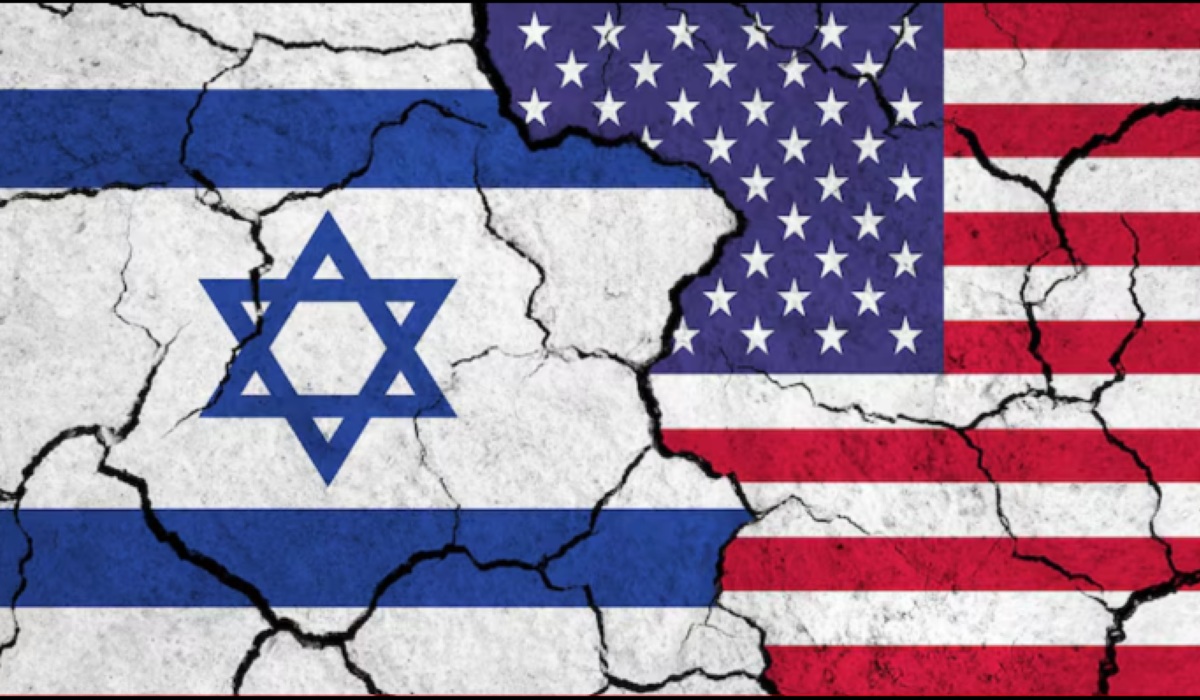
In recent months, two ideas once considered radical in Democratic Party policy thinking—cutting financial support and halting arms transfers to Israel—have become mainstream. This shift reflects growing tensions within the party regarding the conflict in the Gaza Strip and the West Bank, Palestine. Last month, nearly half of the Democrats in the US House of Representatives voted to end aid to Israel. Meanwhile, around 40 per cent of the caucus called for blocking offensive weapons sales until the Israeli government can convince Congress that American bombs will not be used to commit war crimes. This trend is not only occurring at the legislative level but is also beginning to spread to potential candidates for the 2028 election. Rahm Emanuel, the former Mayor of Chicago known for his centrist views, recently suggested that America should end aid and place conditions on arms sales based on Israel’s compliance with US law. On the progressive side, Senator Chris Van Hollen of Maryland went further by stating that Israel should be barred from accessing US-made offensive weapons until they agree to a time-bound plan to end the occupation and implement a two-state solution. Although halting the annual aid of US$3.8 billion is politically popular, analysts assess that its impact on Israeli policy would be minimal. Israel is a wealthy country capable of funding its own military. In 2025, Israel spent approximately 7.9 per cent of its GDP on defence. Without US aid, this figure would only need to rise to 8.5 per cent, an increase considered well within their economic capacity. In fact, Prime Minister Benjamin Netanyahu once expressed a desire to reduce financial dependence on the US to gain greater freedom in security operations. Unlike monetary aid, Israel has a significant dependence on US weapons technology. Between 2021 and 2025, America supplied 68 per cent of Israel’s major arms imports. The most critical dependency lies in its fleet of fighter jets such as the F-15, F-16, and F-35. Although military pressure could limit Israel’s combat capabilities, it would not necessarily change their political stance on Palestinian sovereignty. Public opinion in Israel has shifted to the right over recent decades. A 2025 Gallup poll showed that only 27 per cent of Israelis support a two-state solution, while 63 per cent oppose it. To truly change Israel’s political calculus, far more drastic measures than simply cutting off offensive weapons aid would be required. Regardless of whether such pressure succeeds in changing Israeli policy, many on the left wing of Congress argue that the primary goal is to end US complicity in human rights violations. Daryl Kimball, Executive Director of the Arms Control Association, stressed that the US has a moral responsibility because it has played a major role in creating Israel’s conventional military superiority. According to him, using influence to avoid being an accomplice in war crimes is a priority separate from the final political outcome in the region.