
What happens if petroleum runs out? Here are 6 impacts
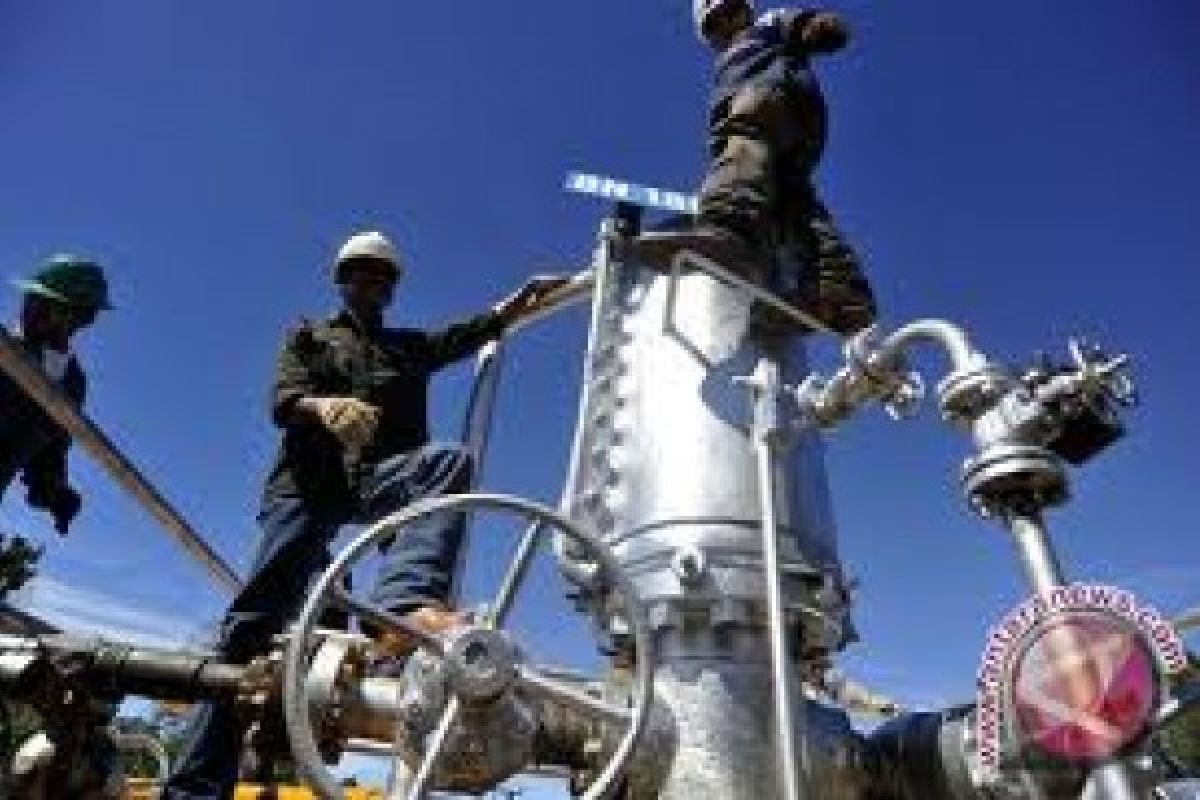
Petroleum plays a massive role in modern life. To date, oil is not only used to produce petrol or diesel but also serves as a raw material for various everyday products.
Therefore, if one day petroleum truly runs out or supplies can no longer meet global demand, the impact will be felt far beyond petrol stations. Transportation, industry, aviation, and the production of various daily goods will all be affected.
Nevertheless, such a condition does not mean the world will immediately cease all activity. Various alternative energy sources and raw materials can be used, but the transition requires significant time, technology, infrastructure, and investment.
- Energy prices could soar
The most immediate impact would be the disruption of energy supplies. When the amount of available oil cannot meet demand, the prices of oil and its refined products are likely to increase.
This situation is already visible when global oil supplies are disrupted, even if reserves are not yet exhausted. In September 2026, for example, production and distribution disruptions in the Middle East put pressure on global oil markets and increased fuel prices. The International Energy Agency (IEA) estimated that global oil supply in 2026 would decrease by approximately 5.7 million barrels per day due to such disruptions.
If oil becomes truly unavailable in the long term, the pressure on energy prices will undoubtedly be much greater.
- Challenges in the transport sector
Petrol and diesel remain essential fuels for various vehicles. If petroleum is unavailable, internal combustion engine vehicles must switch to other fuels or technologies.
Electric vehicles can serve as one alternative for land transport. Additionally, hydrogen, biofuels, and various other technologies can be utilised in specific sectors, although each presents its own challenges.
This transition cannot happen overnight. The world requires a massive amount of electrical grids, charging stations, new vehicles, and supporting infrastructure.
- Aviation faces significant challenges
The aviation sector is one of the fields that is quite difficult to fully abandon oil. Aircraft currently remain highly dependent on oil-based fuels.
The IEA notes that aviation is one of the sectors contributing to global oil demand. In various projections, the need for aviation oil remains a part of energy demand that is difficult to replace in the short term.
Therefore, if oil becomes increasingly scarce, the development of sustainable aviation fuels and alternative technologies will become increasingly vital.
- Impact on the petrochemical industry
Many people assume petroleum is only related to vehicle fuel. In reality, oil is also a raw material for the petrochemical industry.
Petrochemical products are used in the manufacture of plastics, packaging, synthetic textiles, tyres, detergents, and various electronic components. The IEA states that petrochemical raw materials account for about 12 per cent of global oil demand, and their use is linked to the production of plastics, fertilisers, and various other products.
This means that if oil is truly unavailable, industries must find alternative raw materials. Some products can be made using other sources, but the process requires changes in technology and production chains.
- Changes in industry and goods distribution
Oil also plays a role in global supply chains. Trucks, ships, and various industrial machines have long used large quantities of petroleum-based fuels.
If supplies vanish, companies must replace vehicles, machinery, and logistics systems with technologies that use other energy sources.
This could lead to a ripple effect on the price of goods. When production and distribution costs increase, the price of products reaching consumers also has the potential to rise.
- The necessity of energy transition
The exhaustion of oil does not mean humanity will run out of energy. Solar, wind, water, geothermal, nuclear, and various other energy sources can still be used.
However, the challenge lies in replacing the functions of oil comprehensively. Not all energy needs can be replaced with the same technology.
The IEA assesses that the transformation of energy systems can be achieved without dependence on the oil and gas industry, but the process becomes more difficult and expensive if not properly prepared.
Therefore, the development of alternative energy, energy storage technology, electric vehicles, and alternative fuels is a crucial part of the energy transition process.
Will the world truly wait until oil runs out?
Most likely, major changes will occur before all the petroleum in the ground is actually exhausted.
IEA data shows that global oil demand growth has already slowed. In 2025, oil demand increased by about 0.65 million barrels per day, or 0.7 per cent, which is much lower than the average annual growth seen between 2010 and 2019.
In its ‘Oil 2025’ projection, the IEA estimates that global oil demand will reach approximately 105.5 million barrels per day by the end of this decade and then enter a plateau phase, based on the policies and market trends prevalent at the time of the report.
This indicates that the future of oil is not determined solely by how much reserve remains. Technological changes, electric vehicles, energy policies, economic conditions, and the development of alternative energy sources will also determine how long oil remains a vital part of human life.