
What Does the Ceasefire Mean for Iran and What Happens Next?
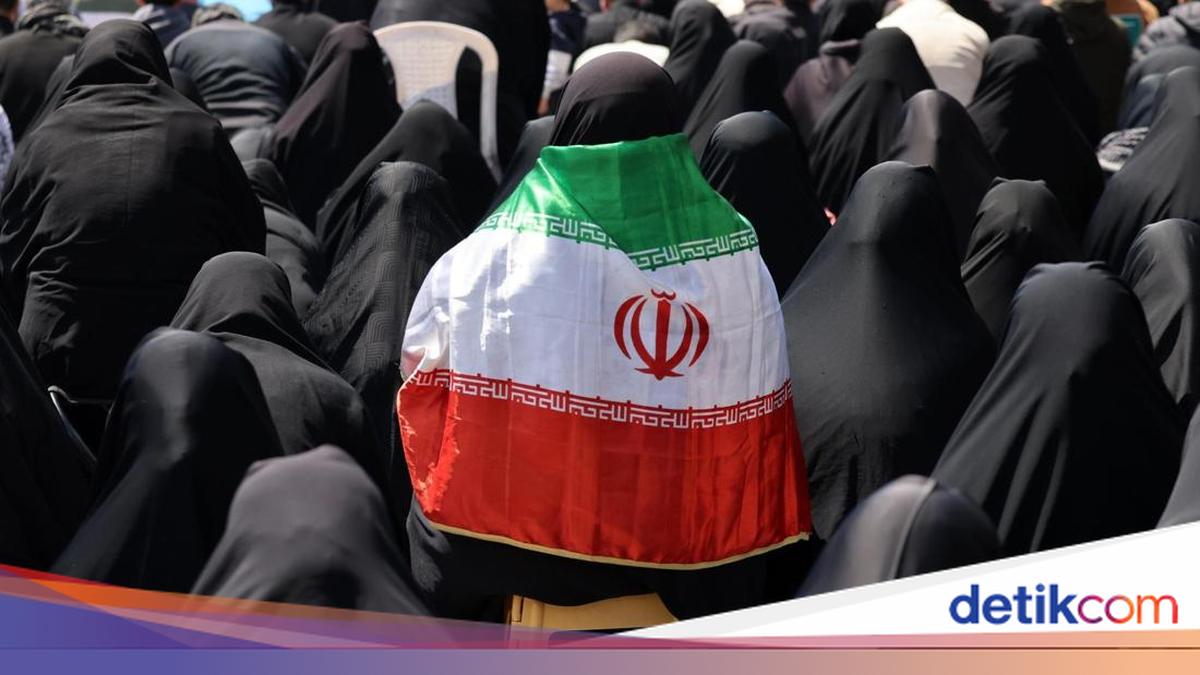
A two-week ceasefire has paved the way for peace negotiations between Iran and the United States in Islamabad on Saturday (11/04). However, this has enraged Iran’s hardline groups.
Just a few days ago, hardline groups in the Islamic Republic of Iran erected a massive banner at one of the busiest intersections in the Iranian capital, Tehran.
“The Strait of Hormuz will remain closed,” read the banner.
However, that banner will likely now have to be taken down after Iran agreed to a two-week ceasefire and peace talks in Pakistan.
Previously, Iran had repeatedly stated that it would not agree to a temporary ceasefire and there would be no peace negotiations.
Is the ceasefire a ‘gift to the enemy’?
Iran’s hardline groups are unhappy. They feel increasingly confident after Iran managed to close the Strait of Hormuz and bombard Gulf countries with missile and drone attacks. That group still believes that Iran should continue the war because it holds the upper hand against the United States and Israel.
Reports from Tehran indicate that they burned US and Israeli flags after the ceasefire agreement was announced on Tuesday (07/04).
A group of men from the Basij volunteer militia, under the control of the Islamic Revolutionary Guard Corps (IRGC), marched to Iran’s Ministry of Foreign Affairs at midnight to protest the decision.
A few hours later, the editor-in-chief of the hardline newspaper Kayhan wrote that agreeing to the ceasefire was a “gift to the enemy”.
The reason is that the ceasefire is essentially giving the US and Israel the opportunity to restock their weapons and continue the war.
The decision to accept the ceasefire request and peace negotiations from Pakistani Prime Minister Shehbaz Sharif was taken by the Supreme National Security Council (SNSC), Iran’s highest decision-making body under the Supreme Leader. That body is currently led by moderate President Masoud Pezeshkian.
The SNSC stated that safe shipping lanes through the Strait of Hormuz would be opened for two weeks in exchange for a ceasefire from the US and Israel, while Washington and Tehran engage in negotiations.
Several reports indicate that China played a key role in convincing Iran to accept Pakistan’s request as mediator.
The ceasefire is sorely needed by the public
Iran has suffered massive destruction during the 40-day war.
More than 3,000 people are reported to have been killed, according to human rights activists. US President Donald Trump once threatened that the death toll would rise.
Even among hardline groups, there is growing awareness that a way out must be found soon before Iran’s vital infrastructure suffers even worse damage.
Just hours before the ceasefire announcement, Iran’s hardline Chief Justice Gholamhossein Mohseni Ejei told the state television station that the country was seeking ways to end the war while maintaining its superior position.
That statement essentially repeated what had been written by Iran’s moderate former Foreign Minister Mohammad Javad Zarif in an article published in Foreign Affairs a few days earlier.
According to Iranian media, Parliament Speaker Mohammad Bagher Ghalibaf is scheduled to lead the Iranian delegation in negotiations with the US in Islamabad, conducting direct talks with US Vice President JD Vance.
This step marks another deviation from previous hardline policies.
Direct negotiations with the US have long been banned by the late former Supreme Leader Ayatollah Ali Khamenei, who died in an Israeli attack on his residence on 28 February.
This direct contact appears to have been approved by the new leader, who is Khamenei’s son.
Although the ceasefire is in place, Iran and the US are still far from sustainable peace.
The war could break out again if the negotiations reach a deadlock.
This possibility is actually hoped for by some Iranians who support the war.
They view the conflict as a way to topple what they see as a tyrannical regime.
However, for many other citizens, this ceasefire provides the much-needed relief from the death and destruction that has enveloped their lives.