
What Does Pomparan Mean in Batak Culture? Its Meaning and Role
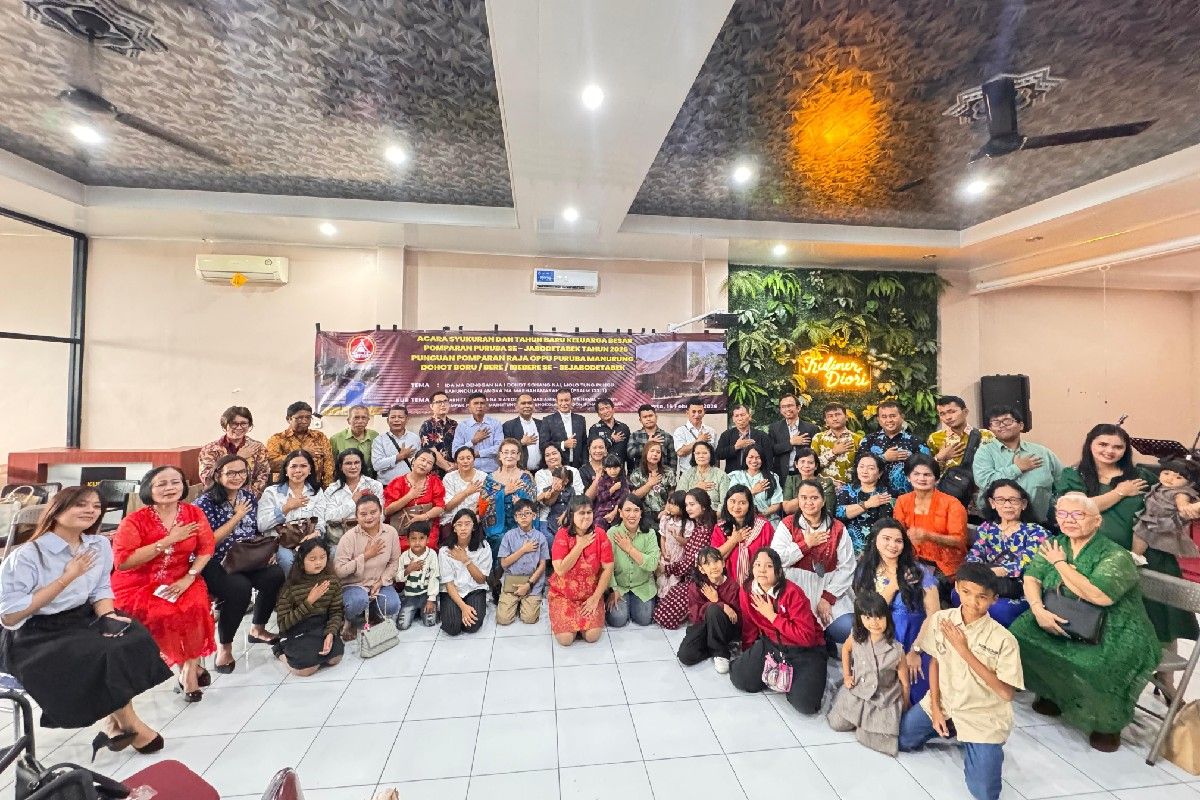
Jakarta (ANTARA) – In Batak Toba culture, family relationships are determined not only by a person’s parents and siblings. There are also ties linking many generations to a common ancestor. This line of descent is known as pomparan.
The term is often used at extended family gatherings, customary events and when tracing genealogies. Understanding pomparan helps Batak people recognise their family origins and maintain kinship ties passed down from generation to generation.
What does pomparan mean in Batak culture?
In general, pomparan means the descendants of a particular person or ancestor. The term refers to children, grandchildren, great-grandchildren and later generations who share the same line of descent.
For example, a group of families who describe themselves as the pomparan of an ancestor are acknowledging their descent from that figure. The families in the group may belong to several branches of descendants and live in different areas.
The term also often appears in the names of family associations, such as an association of the descendants of a particular ancestor. Such gatherings give descendants an opportunity to get to know one another, strengthen their ties and discuss the preservation of customary traditions.
Pomparan, tarombo and marga
Pomparan is closely linked to tarombo, the genealogy that records lines of descent and kinship in Batak society. Through tarombo, people can trace their family connection to an ancestor and learn about branches of descendants that have emerged over generations.
In Batak Toba society, marga, or clan, is generally passed down through the father’s line, in a patrilineal system. Marga identifies a family line, while pomparan refers to the group of descendants of a particular ancestor.
The two concepts complement each other in understanding family relationships. A person can identify their marga, then consult tarombo to learn about their ancestors and their connection to a broader pomparan group.
Tracing genealogy is not always straightforward. Differences in family accounts, variations in the names used for ancestors, or incomplete records can result in several versions of a tarombo. For this reason, genealogical information is usually learned from parents, customary elders and trusted family records.
Pomparan is more than a term for describing blood ties. It also provides a basis for maintaining communication, solidarity and mutual responsibilities among families.
At customary events, descendants of the same ancestor can gather to discuss arrangements, share duties and ensure that family traditions continue to be observed. These ties also help younger generations get to know relatives they may never have met in person.
Kinship in Batak Toba custom is also connected to Dalihan Na Tolu, a system governing relationships among dongan tubu, or relatives belonging to the same clan; hula-hula, the wife-giving family; and boru, the wife-receiving family.
Understanding pomparan and tarombo helps people recognise their place within these customary relationships. This, in turn, helps them understand how to interact and what responsibilities they are expected to fulfil at family ceremonies.
Maintaining ancestral ties amid changing times
Today, many Batak families live far from their hometowns because of education, work and the tradition of migration. As a result, meeting extended family members in person is not always easy.
Even so, pomparan ties can be maintained through family gatherings, clan associations, the recording of tarombo and communication between generations. Younger people can also begin learning about their ancestors by asking their parents or older family members.
Ultimately, learning about pomparan is not simply a matter of memorising ancestors’ names. The tradition is a reminder that each person belongs to a longer family history. By understanding their origins and maintaining kinship ties, Batak cultural heritage can be passed on to future generations.
Source: jawawa.id (https://jawawa.id/newsitem/what-does-pomparan-mean-in-batak-culture-its-meaning-and-role-1794617455)
Originally published by Antara (Indonesian) (https://www.antaranews.com/berita/5853219/apa-arti-pomparan-dalam-budaya-batak-ini-makna-dan-fungsinya), translated from Indonesian