
What Does KPD Mean on the Social Assistance Check? Understanding ‘YES’ and ‘NO’ Statuses
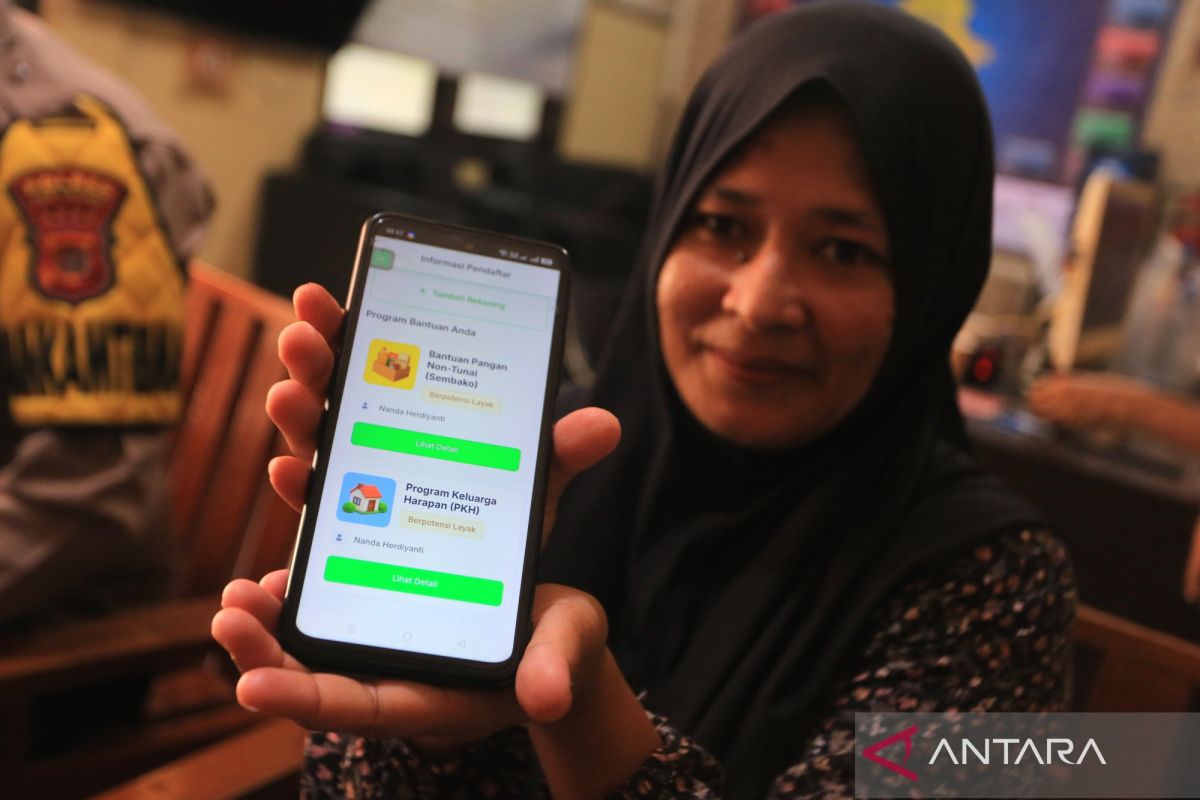
Jakarta (ANTARA) – People checking their social assistance status on the Ministry of Social Affairs’ (Kemensos) official website may find a KPD column in the search results.
This information can cause confusion, particularly among people seeking to confirm whether they are registered as recipients of government assistance.
KPD stands for Kartu Penyandang Disabilitas, or Card for Persons with Disabilities. It relates to data on persons with disabilities and is not a direct indicator of whether someone is eligible for social assistance.
Kemensos has rules on issuing the Card for Persons with Disabilities under Minister of Social Affairs Regulation No. 2 of 2021. The Cek Bansos website, meanwhile, uses the National Single Socio-Economic Data (DTSEN) as its source for information on benefit recipients.
The KPD column in Cek Bansos search results provides information on the card’s recorded status. It may show “YES” or “NO”, indicating whether a KPD is recorded in the data displayed.
“YES” means the person’s data records them as having a KPD. “NO” means that a KPD has not been recorded in that data. This information does not, in itself, determine whether someone is eligible for social assistance.
People should therefore distinguish KPD information from assistance status under programmes such as the Family Hope Programme (PKH), food assistance and Contribution Assistance Recipient health insurance (PBI-JK). Each serves a different purpose in social data collection and social protection programmes.
Social assistance recipients are selected using a range of information relating to household social and economic circumstances. The Ministry says the data on the official Cek Bansos website is sourced from DTSEN.
The website also displays deciles, which group households by welfare level using several variables, including employment, education, housing conditions, electricity capacity and asset ownership.
There are 10 decile groups: decile 1 represents the lowest 10 per cent by welfare level, while decile 10 represents the highest.
According to information on Cek Bansos, households in deciles 1 to 4 may be proposed for PKH and food assistance, while those in decile 5 may be proposed for PBI-JK. The final selection of recipients remains subject to the applicable rules and processes.
People should not immediately conclude that a KPD status of “NO” means their social assistance has been stopped. They should check the information shown for each assistance programme in the search results.
The check can be carried out on the Ministry’s official Cek Bansos website. Users will need their National Identity Number (NIK), as shown on their identity card.
The steps are as follows:
Open the Ministry of Social Affairs’ official Cek Bansos website.
Enter the 16-digit NIK shown on the identity card.
Type the verification code displayed on screen.
Click “Search Data”.
Review the results, including social assistance, decile and KPD status information.
Make sure to use the official website to avoid fake links that request personal information. The official Cek Bansos site uses the NIK as one of the search details for benefit recipients.
People who believe the search results do not reflect their actual circumstances can request an update through their village or urban ward administration, or their local social affairs office.
Kemensos also provides a data-update mechanism through the Cek Bansos app. Information submitted must accurately reflect the person’s circumstances so it can be reviewed and updated.
For disability-related records in particular, people can confirm the requirements and procedures for KPD registration with their local social affairs office. This helps ensure that the status shown in the system matches their records and documents. Updating social data is also part of the government’s efforts to improve the targeting of assistance programmes.
By understanding the purpose of each field in Cek Bansos, people can interpret the information more accurately. KPD status relates to the Card for Persons with Disabilities, while social assistance eligibility should be checked under the status of each individual programme.
Source: jawawa.id (https://jawawa.id/newsitem/what-does-kpd-mean-on-the-social-assistance-check-understanding-yes-and-no-statuses-1791939123)
Originally published by Antara (Indonesian) (https://www.antaranews.com/berita/5784781/apa-arti-kpd-di-cek-bansos-ini-penjelasan-status-ya-dan-tidak), translated from Indonesian