
What Are Healthy Air Quality Limits? Indonesia’s ISPU and WHO Standards
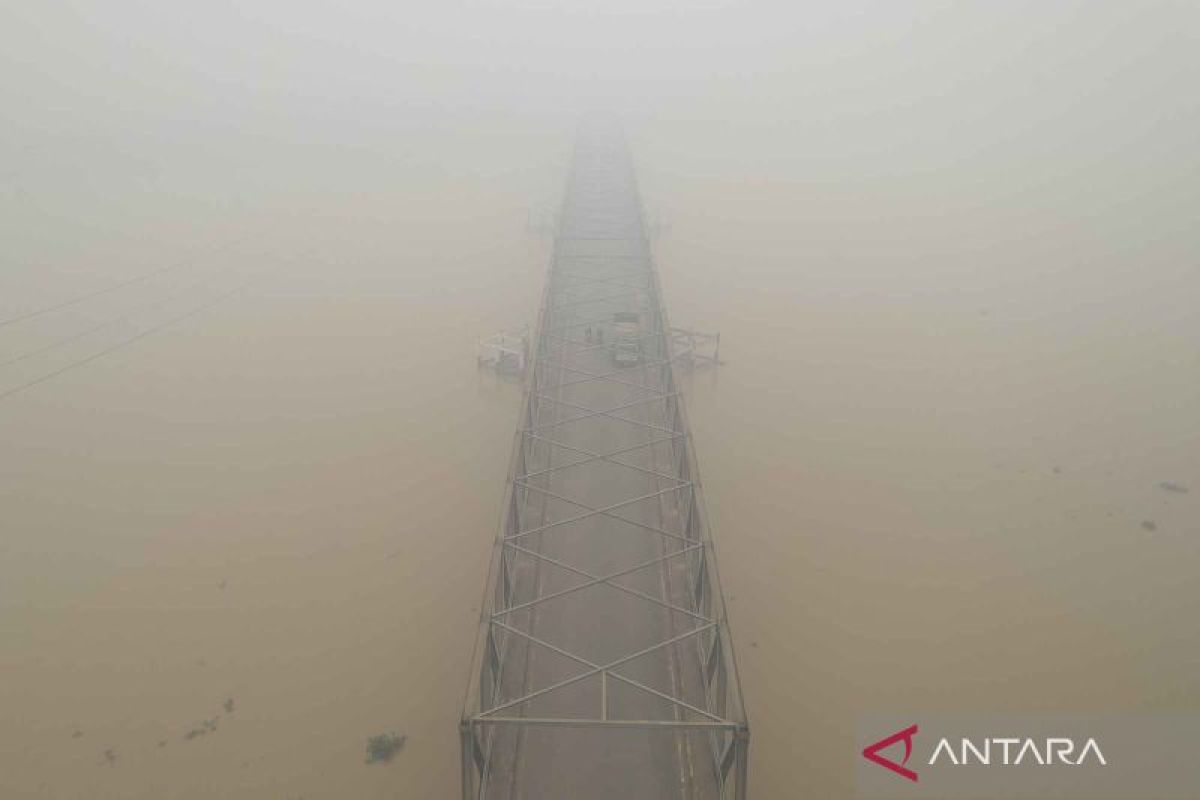
Jakarta (ANTARA) — Air quality is one of the key factors determining respiratory health and people’s overall wellbeing.
In Indonesia, the official reference for measuring pollution levels is the Air Pollution Standard Index (ISPU), established under Environment and Forestry Ministerial Regulation No. P.14 of 2020. It is aligned with the international Air Quality Index system.
The monitoring system measures concentrations of major pollutants, including PM2.5 and PM10 particulate matter, sulphur dioxide, carbon monoxide, nitrogen dioxide and ozone.
An air quality index reading is classed as healthy when the ISPU is between 0 and 50. At this level, air pollution is very low and poses no health risk to people, animals or plants, making outdoor activities safe.
As the index moves into the moderate and unhealthy categories, potential health risks begin to rise. Short-term exposure to air pollution can cause acute symptoms such as eye irritation, coughing and shortness of breath.
A landmark study by Pope and Dockery, published in the Journal of the Air & Waste Management Association, and empirical research by Seaton and colleagues in The Lancet have consistently found that lower concentrations of fine particles in the air are directly associated with reductions in mortality and respiratory illness in urban populations.
Regular monitoring and public understanding of air quality indices are therefore important for deciding on mitigation measures, particularly to protect vulnerable groups such as children, older people and those with chronic illnesses or lung cancer.
The pollutant receiving the most attention from the Meteorology, Climatology and Geophysics Agency (BMKG) and environmental observers is PM2.5, fine particulate matter less than 2.5 micrometres in size. Because these particles are so small, they can penetrate deep into the lungs and enter the bloodstream.
According to BMKG publications, daily PM2.5 concentrations are considered safe or healthy when they range from 0 to 15.5 micrograms per cubic metre. This is in line with the World Health Organization’s (WHO) 2021 Global Air Quality Guidelines, which set a 24-hour exposure limit of 15 micrograms per cubic metre.
Source: jawawa.id (https://jawawa.id/newsitem/what-are-healthy-air-quality-limits-indonesias-ispu-and-who-standards-1792371039)
Originally published by Antara (Indonesian) (https://www.antaranews.com/berita/5795617/berapa-batas-kualitas-udara-sehat-ini-standar-ispu-dan-who), translated from Indonesian