
WFH Seen as Capable of Completely Transforming Civil Servants' Work Culture
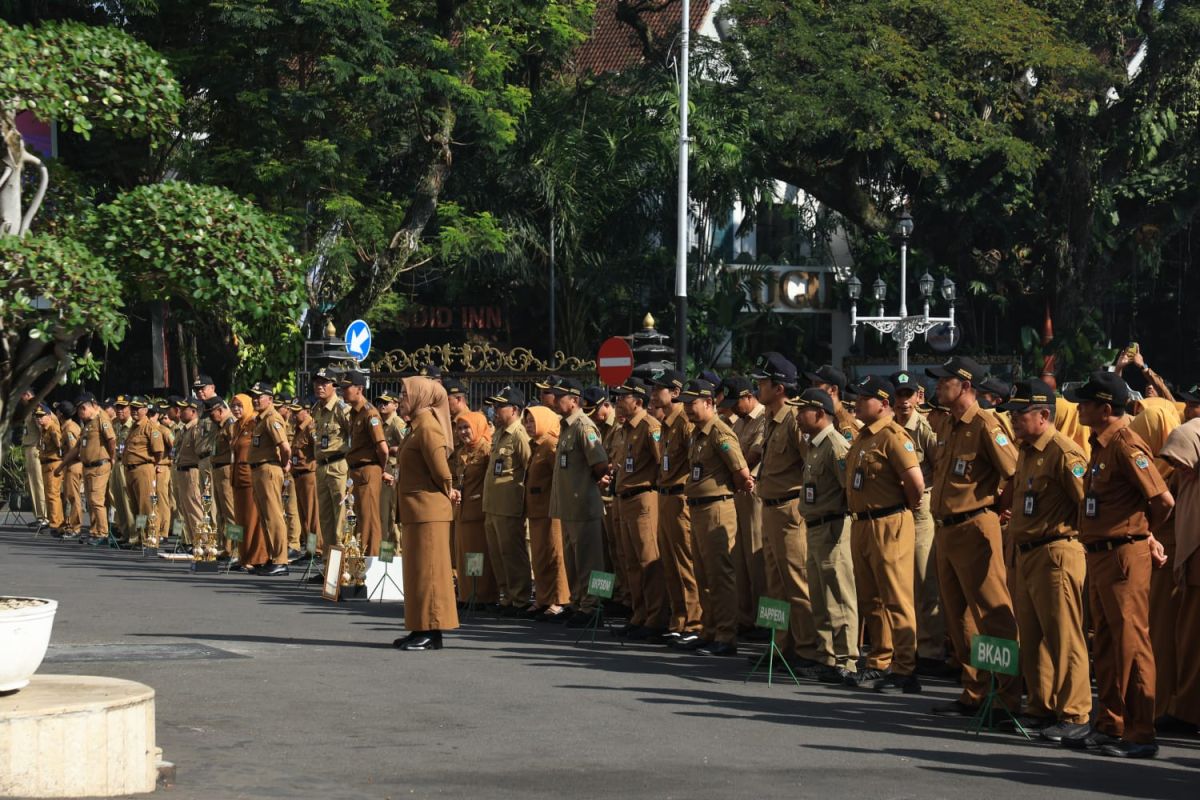
Work-from-home (WFH) opens up significant opportunities to drive the transformation of civil servants’ (ASN) work culture from one based on attendance to one based on performance. Malang, East Java (ANTARA) - Policy and politics observer from Brawijaya University (UB), Andhyka Muttaqin, assesses that the work-from-home (WFH) policy opens opportunities for transforming the work culture of civil servants (ASN), particularly in regional government environments. “WFH opens up significant opportunities to encourage the transformation of ASN’s work culture from one based on attendance to one based on performance,” said Andhyka in Malang City, East Java, on Thursday. He assesses that the current work culture in regional bureaucracies in Indonesia still tends to place physical presence as the main indicator of discipline, even though it is not always directly proportional to productivity. According to him, the central government’s policy that mandates WFH for one day per week, namely every Friday, can encourage the implementation of a performance evaluation system based on output and tangible work results. Previously, the Minister of Home Affairs, Muhammad Tito Karnavian, issued Circular Letter Number 800.1.5/3349/SJ regarding adjustments to the implementation of ASN official duties in regional government environments. Nevertheless, Andhyka assesses that the transformation of work culture cannot happen instantly because it depends on the system design implemented by each regional government, including clarity of evaluation, visionary leadership, and optimal utilisation of technology. “WFH can become a momentum to build a more professional, flexible, and results-oriented work culture,” he stated. He emphasised the role of regional governments not only in following central policies but also in ensuring optimal implementation through an adaptive managerial approach. In addition, regional governments need to ensure that public services continue to run normally, especially for direct or front-office services. “Services such as population administration and licensing that require physical interaction must remain available, while back-office functions such as internal administration, planning, and reporting can be carried out via WFH,” he said. Andhyka also emphasised the importance of strengthening supervision in the implementation of WFH, including through stricter performance audits. “Strengthening performance audits is important because there is a fundamental change in the ASN work pattern,” he stated.