
WFH, Hybrid Work Models, and the Future of Occupational Health and Safety
Unbeknownst to us, we are creating ‘new work areas without clear occupational health and safety (OHS) standards’.
Surabaya (ANTARA) - Changes in work practices are occurring rapidly, faster than our readiness to manage them. The latest data shows that while working from the office (WFO) still dominates around 46.9 percent of organisations, the hybrid work model has grown significantly to 34.4 percent and continues to increase, particularly in knowledge-based sectors.
What is more intriguing is not just the shift in work models, but the real gap between policies and implementation, driven by outdated work cultures such as presenteeism and low performance-based trust.
In Indonesia, this direction of change is reinforced by the Circular Letter of the Minister of Manpower of the Republic of Indonesia Number M/6/HK.04/III/2026, which encourages companies to implement work from home or WFH, at least one day per week, while also running workplace energy optimisation programmes.
This circular is not merely an administrative policy. It is a signal of national work system transformation. However, amid this change, there is one question we rarely ask: is occupational safety transforming along with it?
Currently, we see a reality that is often overlooked, namely that we are too focused on ‘where we work’, but not enough on ‘how to work safely’.
In the past, we could control risks in one space: the office, workplace, factory, operations. Today, the work space has become fluid.
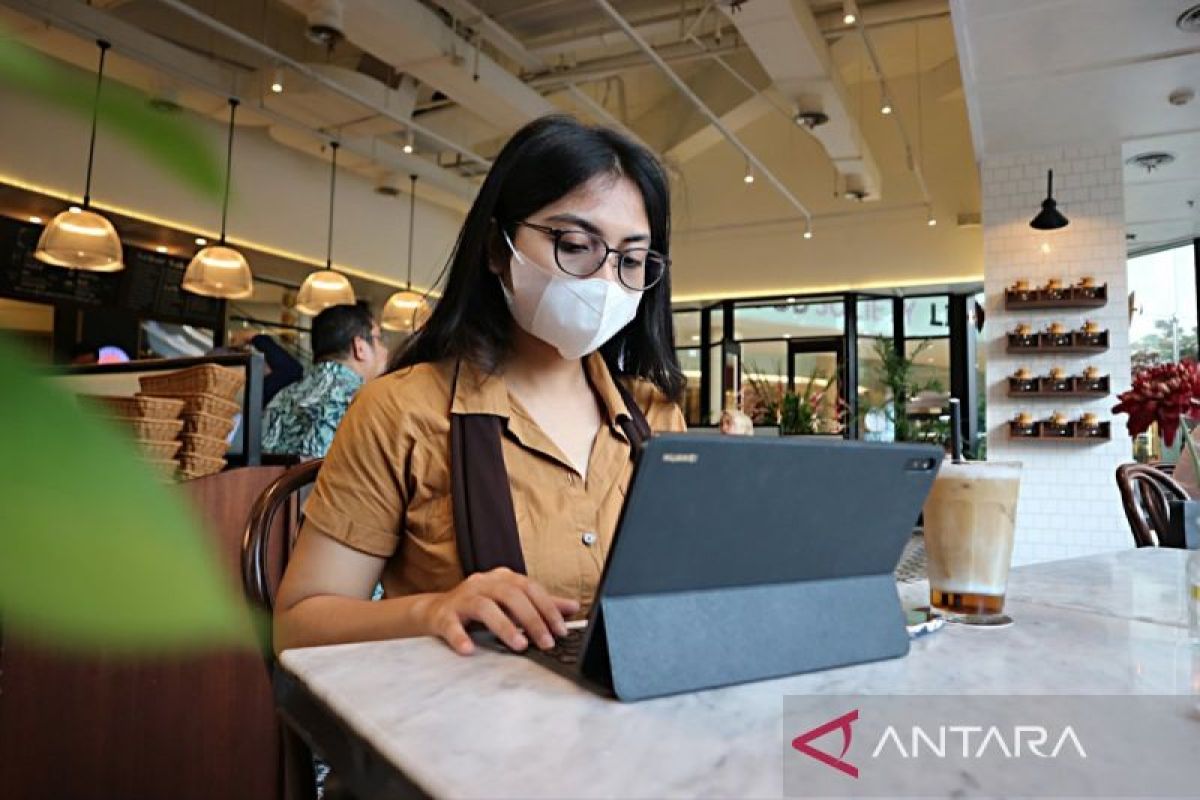
Over time, homes have become offices. Cafes have become meeting spaces. Laptops have become the main workstation, but risks do not disappear. They merely change form.
We are beginning to face ergonomic risks due to inadequate work facilities, psychosocial risks due to blurred work boundaries, digital fatigue risks, electrical risks, and domestic work environment risks.
Unbeknownst to us, we are creating ‘new work areas without clear occupational health and safety (OHS) standards’. Interestingly, the circular from the Manpower Minister does not only discuss WFH, but also energy optimisation, an approach highly relevant to global sustainability agendas.
Through reduced mobility and office space usage, the hybrid work model has proven capable of generating energy efficiency of up to 20-30 percent, particularly in building operations and transportation (based on future work trend analyses).
This means WFH is not just about worker comfort, but also about reducing commuting accident risks, curbing fatigue from daily commutes, supporting emission reductions, and energy consumption.
At this point, OHS no longer stands alone. OHS becomes part of environmental, social, and governance or ESG, sustainability, and future business strategies.
Facing all this, the biggest challenge currently is not policy, but mindset. Many organisations have implemented WFH, but still measure performance by presence, still control rather than trust, and still view safety only in office workspaces.
This is what creates a discrepancy between actions and policies. WFH ends up as mere formality. The hybrid work model becomes just jargon. Yet, this change demands something more fundamental: a transformation in thinking. It is time for OHS to level up, from compliance to strategic value addition.
In this context, OHS must take a larger role. OHS should no longer be just a compliance function. OHS must become a strategic enabler in work transformation.
Three steps