
WFH for Ministry of Basic and Secondary Education Civil Servants Officially Implemented, Teachers Still Required to Attend When Students Are Present
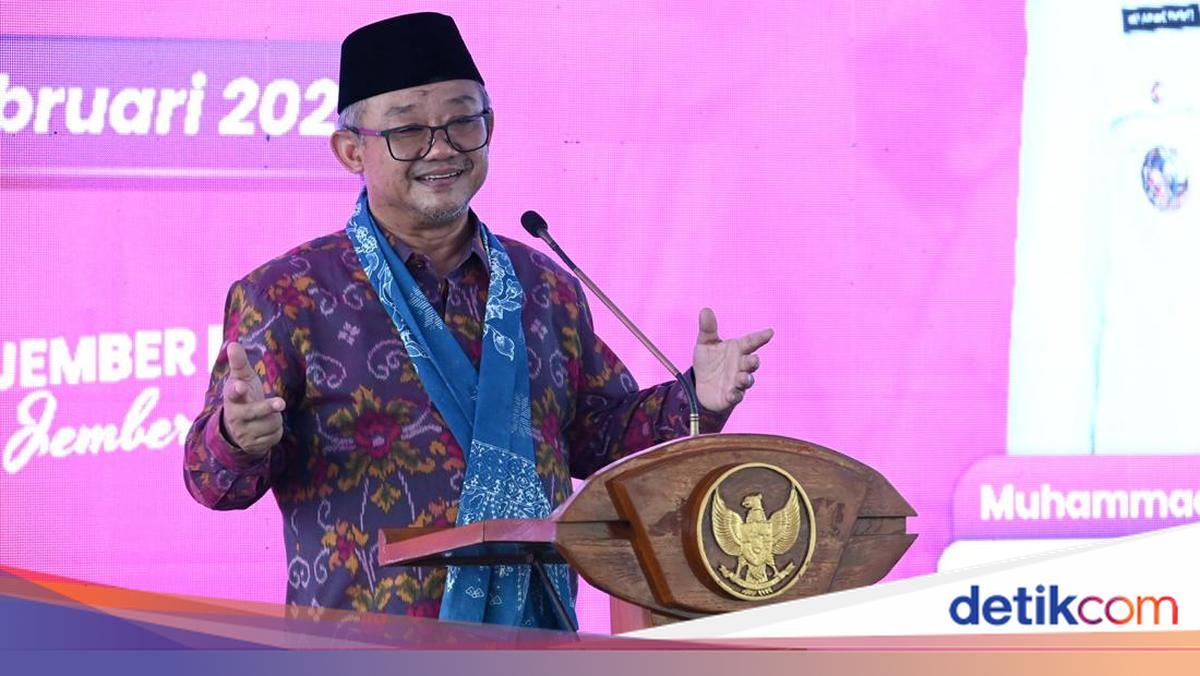
The Ministry of Basic and Secondary Education (Kemendikdasmen) has officially established a work-from-home (WFH) policy for civil servants (ASN) within its organisation. This scheme is implemented for one day per week, namely every Friday.
Minister of Basic and Secondary Education (Mendikdasmen) Abdul Mu’ti emphasised that WFH does not mean a day off. ASN must continue to carry out their duties fully with the same responsibilities, even if working from a different location.
“Work from home does not mean a holiday; ASN still work with full responsibility, just from a different location, while services to the public continue to operate and are easily accessible,” said Minister of Basic and Secondary Education Abdul Mu’ti on Sunday (5/4/2026), as reported by detikEdu.
The WFH policy takes effect from 1 April 2026. This policy will also be evaluated every two months.
Teachers Must Still Attend If Students Are Present
For teachers who are ASN, the implementation of WFH is adjusted to the needs of learning. Teachers are still required to be present at school if students attend.
“In addition, teachers must still come in if their students enter school. There are exceptions in certain contexts, as stated in the regulation of the Coordinating Minister for the Economy,” said Mu’ti.
Even with WFH, services at Kemendikdasmen are ensured to continue running. This includes the Integrated Service Unit (ULT), which covers face-to-face services, mobile, WhatsApp, and telephone.
“Public services such as the Integrated Service Unit (ULT) will remain open and operational,” he said.
WFH Supports Energy Savings
The government has previously established the Work Culture Transformation Programme and Energy Saving Movement through Circular Letter of the Minister of PAN-RB Number 3 of 2026 on the Implementation of Official Duties for ASN Employees in Government Agencies.
Through this programme, ASN will carry out WFH for one day per week. The aim is to achieve efficiency, effectiveness, and adaptation.
The policy also applies to educational sector institutions/ministries. In addition to WFH, the government is also implementing efficiency in the use of official vehicles, reducing official travel, and expanding car-free days (CFD).
“We believe that with a spirit of mutual cooperation, ASN, educational units, and the public can move together. This is the transformation towards a future where we remain productive, services are still present, and quality education can be felt by all,” said Mu’ti.
Mu’ti hopes that the WFH policy can strengthen the quality of educational services. He also invites the public to use public transport as part of energy saving efforts.
“We want to ensure that this change actually strengthens the quality of educational services, rather than reducing it. At the same time, this is an opportunity for all of us to start with simple things to save energy, use public transport, and build new, better habits,” emphasised Mu’ti.