
WFH for Civil Servants Is Not Just About Working from Home; Small Vendors Around Offices Now Beginning to Feel the Impact
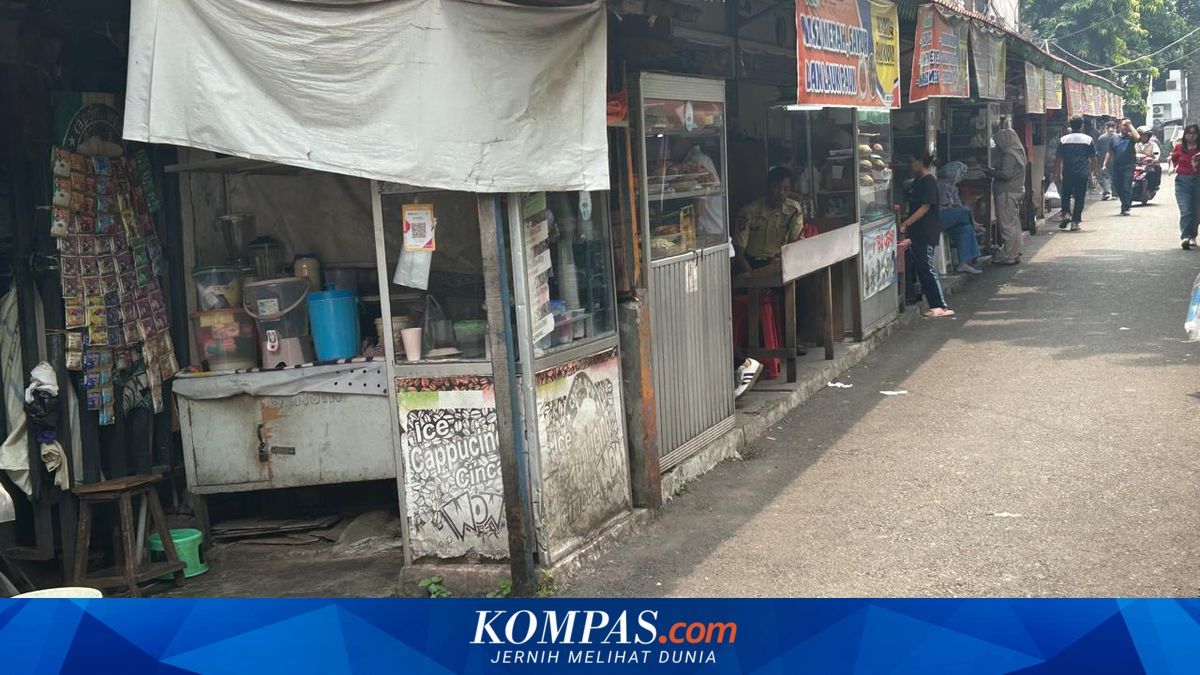
JAKARTA, KOMPAS.com - The Work From Home (WFH) policy for Civil Servants (ASN) every Friday is forcing a number of micro, small, and medium enterprises (UMKM) in office areas to rethink their strategies in order to survive.
The reduced number of workers coming to the office has caused a drastic drop in food and beverage sales. Vendors are adapting their selling strategies, from reducing stock to trying online sales.
This situation is felt by vendors on Jalan Kebun Sirih Barat II, Central Jakarta, right in front of the National Resilience Institute of the Republic of Indonesia.
According to her, Fridays, which used to be busy, are now much quieter.
“On Fridays, it’s usually busy with local government employees exercising and doing aerobics; they come down for breakfast, then after Friday prayers, they have lunch, and in the afternoon, those who haven’t eaten lunch yet come for a meal. Now, it’s just a handful of customers,” said Hani when met at her stall on Monday (11/5/2026).
Hani said the drop in the number of buyers became very noticeable since the WFH policy was implemented on 1 April 2026.
Her trading turnover has now fallen by around 70 to 80 percent compared to normal days. According to her, the current situation feels even heavier than during the COVID-19 pandemic because customers have truly decreased.
Hani explained that her business has been declining since the pandemic and is now worsened by the WFH policy.
“The big drop was in 2021 with COVID; it went from 3, 2 (thermos), and now both don’t even reach that, plus this (WFH),” she said.
Even though income has decreased, Hani is still retaining her workers because many families depend on the business.
“It’s pitiful; the ones working here still have children, so like it or not, we can’t stop them, so we’re reducing salaries too,” she said.
Another vendor, Lusi (59), also admitted to reducing the amount of food stock due to the lack of buyers during WFH.
Usually, she prepares around 60 pieces of chicken every day. Now, that number has been cut to about 40 pieces.
“Yes, reducing it. Usually 60 (pieces of chicken), now only 40. Even that doesn’t sell out on Fridays. Most of the customers here are employees,” she said.
Lusi said her daily turnover has now dropped by almost half compared to normal conditions.
She admitted that the situation is quite heavy because operational costs continue to run even as sales decline.