
WFH for Civil Servants: Impact on Local Economy, SMEs, and Energy Savings
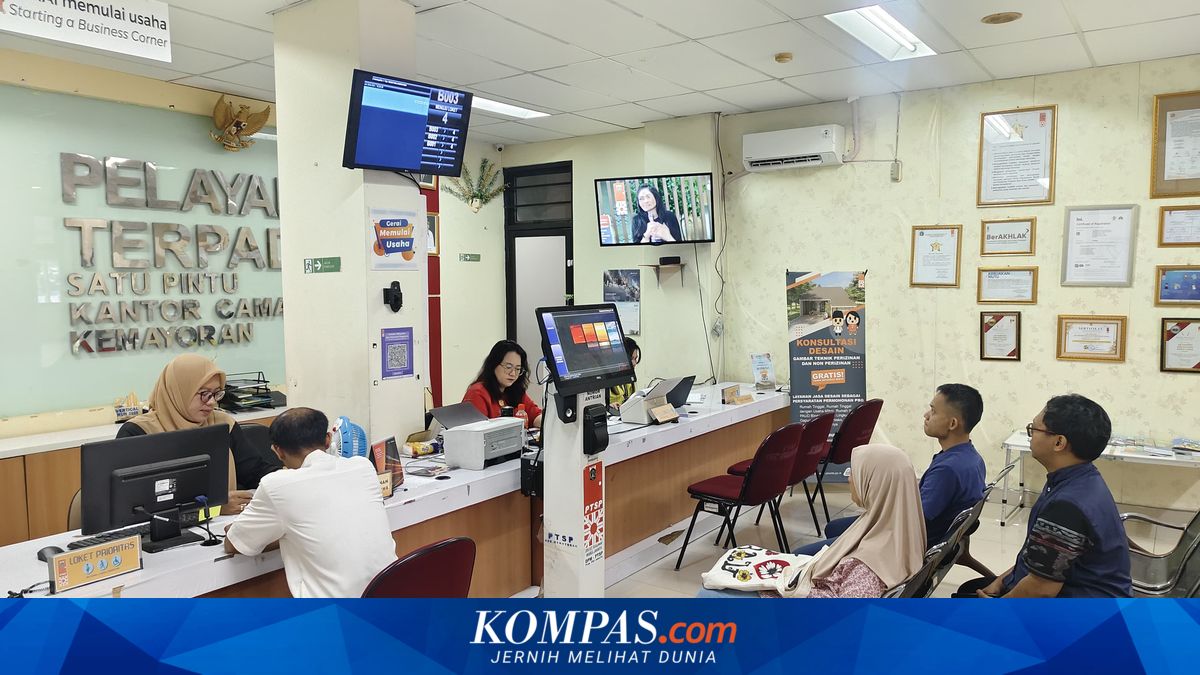
JAKARTA, KOMPAS.com - The work from home (WFH) policy for civil servants (ASN) one day per week is starting to influence the economic pulse in government office areas.
Small business operators such as food stalls, canteens, coffee shops, and daily transport services are beginning to feel a decline in turnover due to reduced employee mobility.
Secretary General of the Indonesian Young Entrepreneurs Association (HIPMI), Anggawira, stated that the business world fundamentally understands the ASN work flexibility policy as a government effort to improve efficiency, digital adaptation, and modernise bureaucratic work patterns.
However, the implementation of this policy is deemed to need consideration of its downstream economic impacts on SMEs and service sectors that have long relied on income from activities in government office areas.
“Its implementation needs to pay attention to the downstream economic impacts, especially on SMEs and service sectors that have previously thrived from office area activities,” said Anggawira when contacted by Kompas.com on Monday (11/5/2026).
Although the decline is not yet considered drastic, in several office areas, there is already a noticeable drop in turnover on certain days.
This condition is particularly felt by food business operators, coffee shops, local transport, and various supporting services that rely on the daily bustle of ASN and office workers.
“The decline may not be drastic yet, but in some areas, there is a noticeable drop in turnover on certain days, especially for food businesses, coffee shops, local transport, and office support services,” he explained.
According to him, if WFH is implemented only one day a week, the overall impact is still considered relatively safe for economic activities.
However, the effects will become more pronounced if the policy is applied simultaneously on a large scale without flexible arrangements.
“If it’s only one day a week, overall it’s still relatively safe for economic activities. However, the effects become more felt if done simultaneously on a large scale without flexible arrangements. Because the office area economy is highly dependent on human mobility and daily consumption,” Anggawira elaborated.
The sectors most affected are generally businesses with high dependence on office crowds.
From culinary businesses around offices, canteens, coffee stalls, daily transport, parking, laundry, photocopying services and office stationery (ATK), to informal SMEs.
Furthermore, the impact of the ASN WFH policy is considered quite significant for culinary businesses and SMEs around government office areas because they heavily rely on the volume of daily routine purchases from office employees.
When the number of ASN coming to the office decreases by one day, the turnover of business operators automatically adjusts downward.
For small businesses with thin profit margins, a one-day income drop is enough to affect their weekly cash flow.
“The impact is quite felt for culinary businesses and SMEs around government offices because they rely on the volume of daily routine purchases. When ASN traffic decreases by one day, turnover automatically drops. For small businesses with thin margins, a one-day drop is enough to influence weekly cash flow,” he emphasised.
Source: jawawa.id (https://jawawa.id/newsitem/wfh-for-civil-servants-impact-on-local-economy-smes-and-energy-savings-1778575925)
Originally published by Kompas (https://money.kompas.com/read/2026/05/12/151044226/wfh-asn-dampak-ekonomi-lokal-umkm-dan-penghematan-energi?utm_source=ABC&utm_medium=rss), translated from Indonesian