
WFH Every Friday Starting 1 April, Airlangga: Civil Servants and Private Sector Urged to Be More Efficient
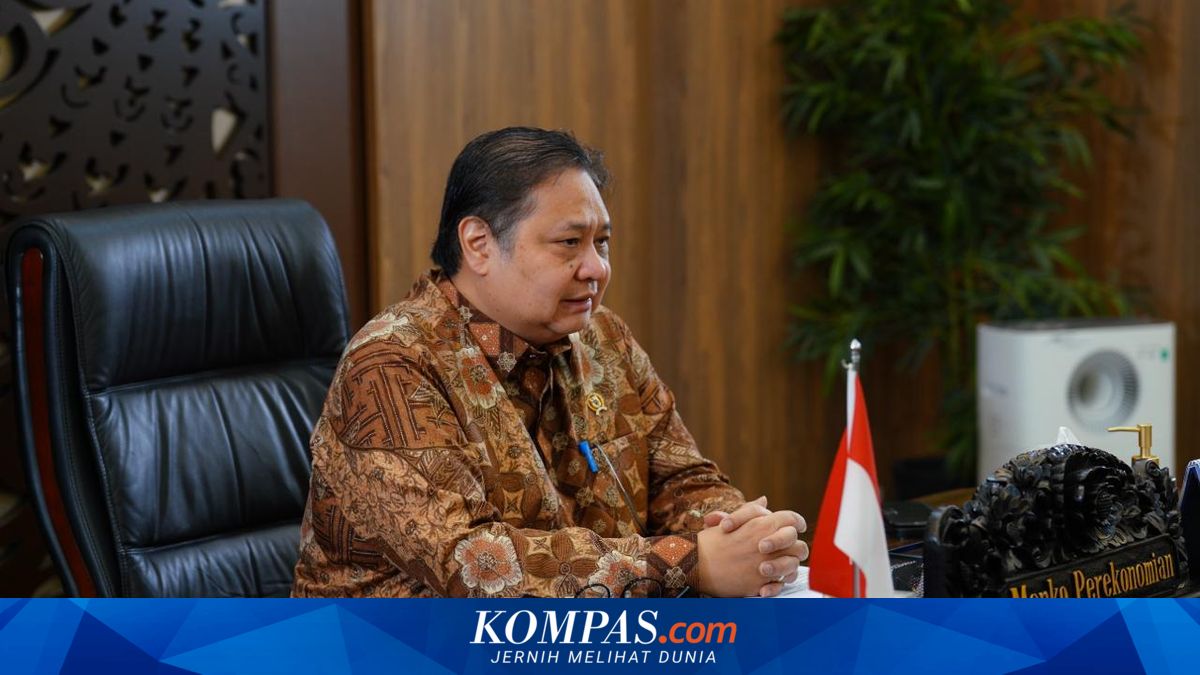
The government has established a work-from-home (WFH) policy for civil servants (ASN) one day per week. The policy applies every Friday starting 1 April 2026.
Coordinating Minister for the Economy Airlangga Hartarto stated that this step is taken amid economic conditions deemed stable.
“The implementation of WFH for ASN in central and regional agencies, carried out for one working day per week, namely every Friday,” said Airlangga during an online press conference on Tuesday (31/3/2026).
The technical implementation is regulated through a circular from the Minister of State Apparatus Empowerment and Bureaucratic Reform as well as the Minister of Home Affairs. The policy applies to central and regional agencies.
Digital-based government governance transformation is also strengthened to enhance the efficiency of public services.
The government has also set other efficiency measures. The use of official vehicles is limited to 50 per cent. Domestic official travel is reduced by up to 50 per cent and overseas travel by up to 70 per cent.
The use of public transport is encouraged. Regional governments are asked to expand car-free day policies according to the characteristics of their areas.
The private sector is directed to implement similar policies through a circular from the Minister of Manpower. Implementation is adjusted to the needs of each business sector.
The energy efficiency movement in workplaces is also strengthened as part of this policy.
Teaching and learning activities for primary to secondary education continue to be face-to-face five days a week. Higher education institutions adjust to their respective policies.
Airlangga assessed that this policy offers significant savings potential, including in fuel oil consumption.
“The overall policy is part of a structural transformation towards a more efficient, productive, and resilient economy,” said Airlangga.