
West Sumatra Provincial Government Officially Implements Combined Work Scheme, Civil Servants WFH Every Friday
The West Sumatra Provincial Government (Pemprov Sumbar) has officially implemented a new work culture transformation through a combined scheme of Work From Office (WFO) and Work From Home (WFH) for Civil Servants (ASN) within its scope. This policy is contained in the Governor of West Sumatra’s Circular No. 06 of 2026.
Governor of West Sumatra, Mahyeldi Ansharullah, emphasised that this policy is not merely a change in work patterns but part of efforts to build a more effective, efficient, and results-oriented work culture.
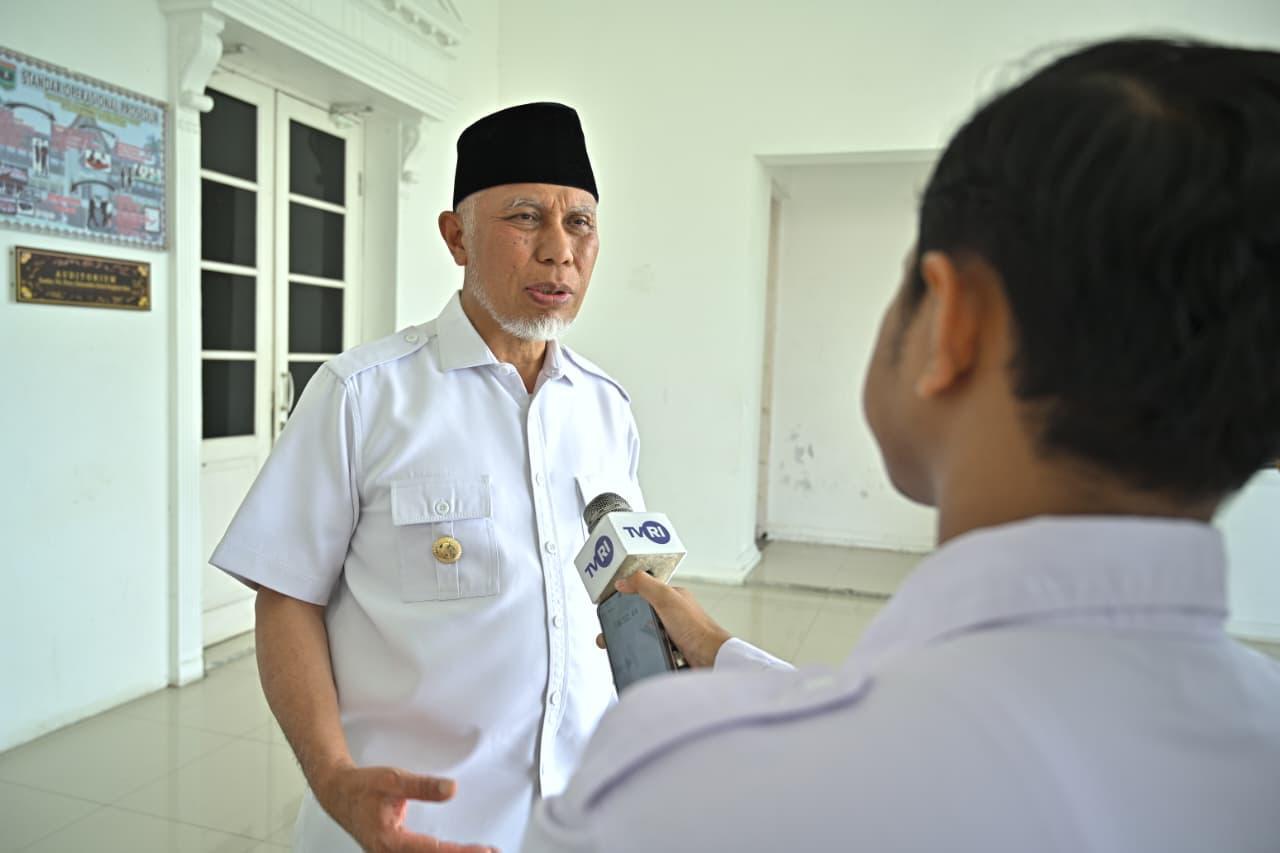
“Besides following up on the Interior Minister’s directives, this transformation policy is also expected to make the bureaucracy run more effectively, efficiently, and focused on real impacts for the community,” said Governor Mahyeldi in Padang on Wednesday (8/4).
Under this policy, ASN in the Pemprov Sumbar environment will carry out WFH for one day per week, namely every Friday, while the other working days will continue to be carried out via WFO. Mahyeldi stressed that this flexibility must be balanced with high responsibility and discipline from every ASN.
“Flexibility does not mean lowering work quality. On the contrary, this becomes a momentum to improve performance based on output,” he asserted.
The Governor also underlined that in supporting the implementation of ASN duties during this scheme, his side will optimise the implementation of the Electronic-Based Government System (SPBE). The utilisation of e-office, electronic signatures, digital attendance, to employee management systems becomes an integral part of this transformation.
“Digitalisation is the key. By utilising technology, we can work faster, transparently, and accountably. This is also in line with the spirit of bureaucratic reform that we continue to promote,” added Mahyeldi.
Furthermore, Mahyeldi assured that the implementation of WFH must not disrupt public services. He asked all regional apparatus to ensure services continue to run optimally without any decline in quality.
“Services to the community are the top priority. Do not let there be complaints because of this work pattern change. On the contrary, it must be even better, more responsive,” he said.
In addition, this policy is also directed to encourage efficiency in resource use, including reducing energy consumption and office operational costs.
“This is also part of our efforts to be more frugal and wise in budget use, without reducing performance and service quality to the community,” said Mahyeldi.
In its implementation, every head of regional apparatus is asked to prepare daily work plans for ASN carrying out WFH with clear and measurable output targets. The supervision and reporting system is also strengthened through digital attendance and results-based performance reporting.
Closing his remarks, Mahyeldi invited all ASN to make this policy a collective step in building a more modern and competitive bureaucracy.
“We want West Sumatra ASN to be role models in change, working with the intention of worship, full of responsibility, and providing the widest possible benefits to the community. Insya Allah, with togetherness, we can realise it,” he concluded.