
West Sumatra in the Grand Map of Sumatra Rail Connectivity: Old Rail Tracks Still Serving the Community
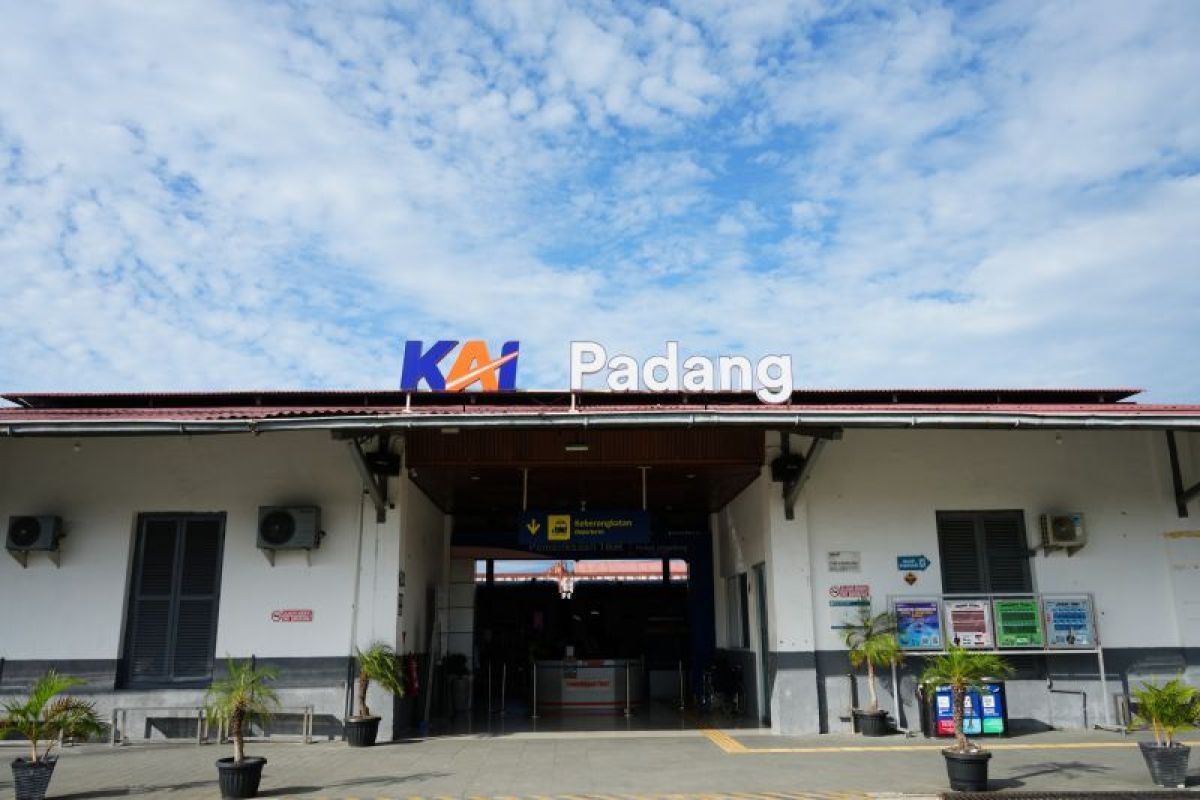
The railway network spanning approximately 312.2 km in West Sumatra holds the history of the Ombilin coal mines, access to tourism, airport services, daily mobility, and the potential for future connectivity.
In West Sumatra, the railways tell stories of the Ombilin coal mines, Emmahaven Port (now Teluk Baylag), Lembah Anai, Sawahlunto, Pariaman, and the daily journeys of people from homes to schools, universities, workplaces, airports, and tourist areas. This narrative is now finding a new context within the grand idea of strengthening railway connectivity across Sumatra. Through the direction of President Prabowo Subianto, the government is encouraging the development of a more interconnected railway network stretching from Banda Aceh to Bandar Lampung. Within this master plan, West Sumatra is a crucial region due to its long railway history, extensive infrastructure assets, and services that remain directly relevant to the public.
West Sumatra serves as an important space to read the long journey of railways on Sumatra Island. In this region, the rails connect points of departure and destination, while also preserving the traces of the Ombilin coal mines, Emmahaven Port (Teluk Bayur), Sawahlunto, Lembah Anai, Pariaman, and the evolving ways in which society moves through time.
Anne Purba, Vice President of Corporate Communication at KAI, stated that West Sumatra holds a unique position in the national railway history. The rails in this region were born from the need to connect mines, ports, cities, and communities. As they developed, these same tracks became integral to daily mobility, tourism access, and goods distribution. “West Sumatra demonstrates how the railway has been an economic, urban, and community connector since the beginning. Those traces remain relevant to understanding today’s connectivity needs in Sumatra,” said Anne.
The history of West Sumatra’s railways began in the late 19th century, when tracks were built to connect the Ombilin coal mining area in Sawahlunto with the port in Padang. Padang Station began construction on 6 July 1889 to facilitate coal transport to Emmahaven Port (Teluk Bayur). Pulau Air Station was built in 1891 by the Staatsspoorwegen ter Sumatra’s Westkust and was inaugurated on 1 October 1892. From Padang, the rail network expanded towards Kayu Tanam, Padang Panjang, Solok, Muaro Kalaban, Sawahlunto, Pariaman, and Naras.
During that era, the West Sumatra railway faced challenging landscapes, traversing hills, valleys, and steep inclines. In this area, the community became familiar with steam locomotives such as ‘Mak Itam’, an icon of Sawahlunto’s railway history closely linked to the Ombilin mining heritage.
According to infrastructure data from Divre II West Sumatra, the total length of the railway tracks in the region reaches 312.232 kmsp (kilometre spoor). Of this total, 110.910 kmsp (approximately 110.9 km) is active track, while 201.322 kmsp (approximately 201.3 km) is inactive. The region also features 20 stations and passenger shelters, as well as 4 freight stations.
Currently, passenger services in West Sumatra include the Pariaman Express (Pauh Lima–Padang–Naras), the Minangkabau Express (Pulau Air–Padang–Minangkabau International Airport), the Lembah Anai service (Kayu Tanam–Duku–Padang), and the Mak Itam tourist train (Muarokalaban–Sawahlunto), which operates according to historical tourism needs. For freight, KAI serves the Indarung–Bukit Putus route to support the distribution of bulk cement and clinker.
The performance of these services indicates that railways remain a vital part of West Sumatra’s needs. From January to May 2026, passenger railway services in Divre II West Sumatra served 913,674 customers. The breakdown includes 172,548 customers in January, 151,768 in February, 188,425 in March, 202,282 in April, and 198,651 in May.
In terms of freight, KAI in the West Sumatra Regional Division II handled 492,220 tonnes of cargo from January to May 2026. This consisted of 299,070 tonnes of cement and 193,150 tonnes of clinker. Rail-based transport plays a role in maintaining industrial distribution, reducing the burden of heavy vehicles on roads, and supporting the supply chain from production areas to distribution points.
Performance over the last five years also shows that a railway market has been established in West Sumatra. The number of customers in Divre II West Sumatra increased from approximately 1.09 million in 2021 to 1,978,241 in 2025. Between 2021 and 2025, customer growth reached approximately 81 percent, with an average annual growth of about 16 percent. This figure demonstrates that public interest in railways in West Sumatra continues to strengthen.
The Pariaman Express is a prime example of a service closely aligned with community needs. In 2025, passengers on the Pariaman Express reached 1,615,996, a 15.61 percent increase compared to 1,399,691 in 2024. This service connects residential areas, city centres, universities, and coastal tourist destinations, which are popular weekend travel destinations.
The Lembah Anai service also showed a positive response following changes to its route. In January 2026, Lembah Anai passengers reached 24,607, up from 9,932 in January 2025. In February 20_6, the number reached 22,136, up from 7,270 in February 2025. In March 2026, passengers reached 28,515, up from 6,363 in March 2025. This change indicates that service adjustments can expand access and increase public interest in using the railway.
Source: jawawa.id (https://jawawa.id/newsitem/west-sumatra-in-the-grand-map-of-sumatra-rail-connectivity-old-rail-tracks-still-serving-the-community-1781499283)
Originally published by Antara (Indonesian) (https://www.antaranews.com/berita/5608339/sumatera-barat-dalam-peta-besar-konektivitas-rel-sumatra-jejak-rel-tua-yang-masih-melayani-masyarakat), translated from Indonesian