
West Papua Government Protects 24,750 Vulnerable Workers with Jamsostek
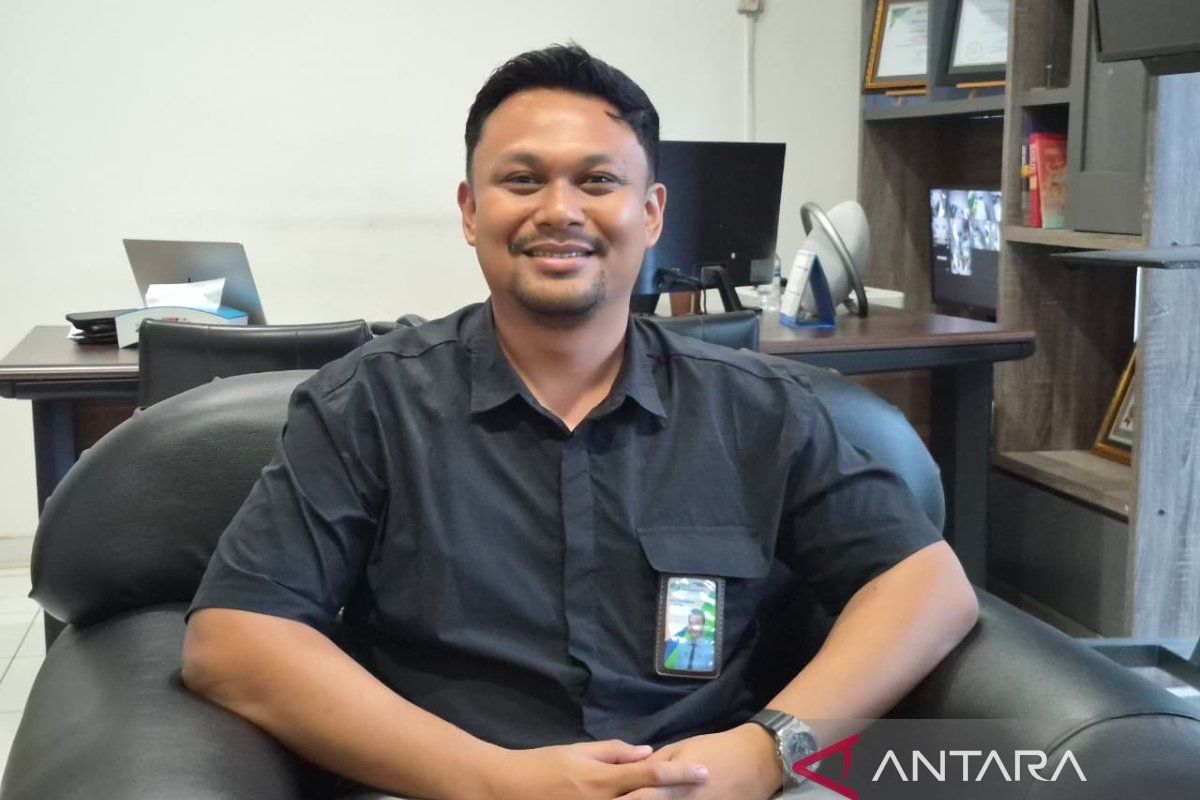
The West Papua Provincial Government has enrolled 24,750 vulnerable indigenous Papuan workers across seven districts in the Employment Social Security Programme (Jamsostek) for the 2026 fiscal year. Gery Dame Malelak, Head of the Manokwari branch of the Jamsostek administering body, stated on Friday that the number of vulnerable workers registered by the provincial government has decreased compared to 30,000 people in 2025. “The provincial government has realised the contribution assistance for the Jamsostek Programme for 24,750 vulnerable workers. The number has indeed decreased due to a budget efficiency policy,” he said. The synchronisation results were followed up with a re-consolidation to ensure the suitability of prospective contribution assistance recipients using comparative data from the West Papua Population and Civil Registration Office (Dukcapil). “All data was rechecked to see if they are still eligible to receive contribution assistance or not. Some data was removed because the individuals had passed away and some had already found employment in companies,” he stated. According to him, the Jamsostek Programme contribution assistance from the regional government is prioritised for informal sector workers, such as small traders, farmers, motorcycle taxi drivers, fishermen, and others who do not earn a fixed income. The provincial government also applies a clan-based approach, as the funds allocated to finance contributions for two types of Jamsostek Programmes—namely work accident insurance and death insurance—come from special autonomy funds. “The majority of vulnerable workers covered by the provincial government are indigenous Papuans, because it uses special autonomy (Otsus) funds,” he said. In addition to the province, he noted that the Fakfak Regency Government has also accommodated approximately 12,000 vulnerable workers as participants in the 2026 Jamsostek Programme, while six other regencies are still in the data reconciliation process. He expressed hope that the data verification mechanism by each district government in West Papua would start from the neighbourhood and community unit (RT/RW) level, so that the recipients of contribution assistance are vulnerable workers who need social security. “The six regencies still in process are Manokwari, South Manokwari, Wondama Bay, Bintuni Bay, Kaimana, and Arfak Mountains,” he said. Currently, the West Papua Provincial Government has nine legal products supporting the implementation of the Jamsostek Programme, including Regional Regulation Number 1 and Number 2 of 2022, as well as West Papua Governor Regulation Number 35 of 2023. At the regency level, there are four regional regulations, namely Fakfak Regional Regulation Number 11 of 2019, Kaimana Regional Regulation Number 8 of 2021, Manokwari Regional Regulation Number 3 of 2022, and South Manokwari Regional Regulation Number 3 of 2024. “We continue to encourage Arfak Mountains and Bintuni Bay to also issue derivative regulations regarding the implementation of the Jamsostek Programme,” said Gery.