
West Nusa Tenggara: From a Tourist Paradise to a World-Class Destination
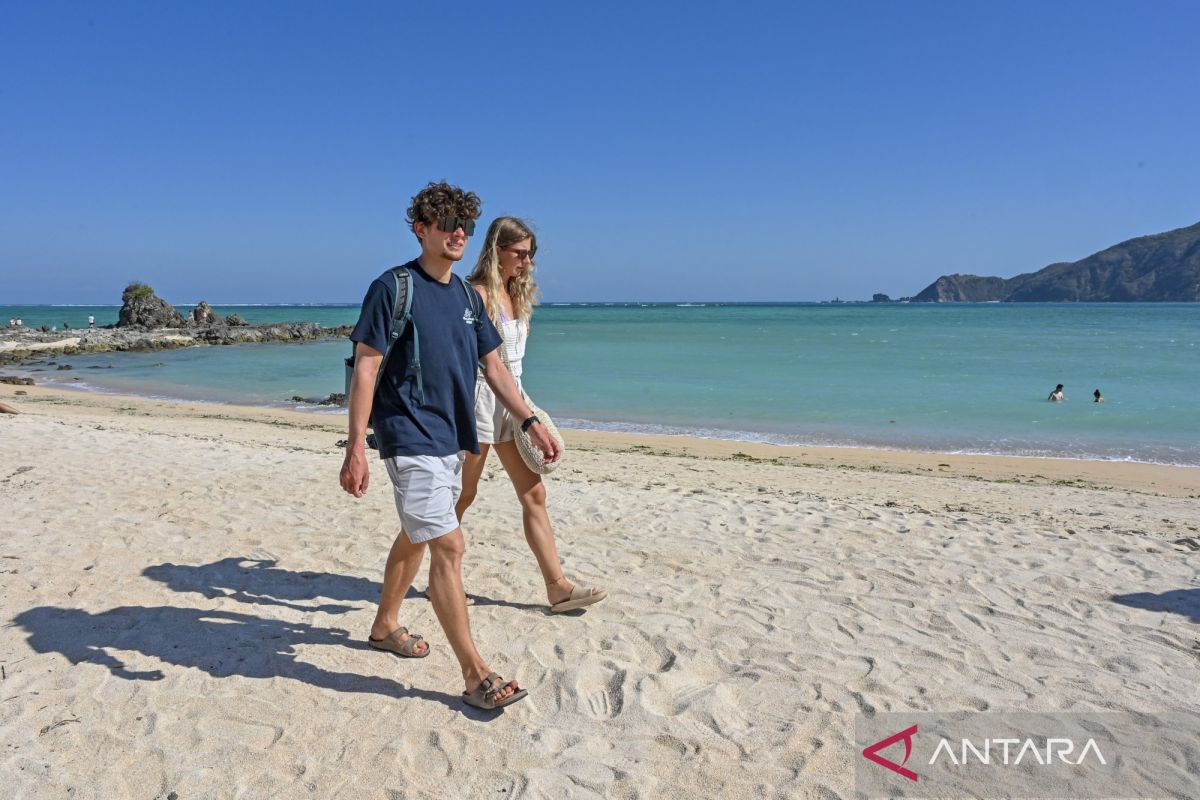
West Nusa Tenggara (NTB) possesses ample capital to become a world-class tourist destination. Rinjani, Mandalika, Gili, Tambora, Moyo, Saleh Bay, Samota, coastal riches, and the diverse cultures of Sasak, Samawa, Dompu, and Mbojo represent incomparable natural and cultural assets.
The challenge is no longer finding new tourist attractions, but rather managing these riches to create high-quality tourism experiences that encourage visitors to stay longer, spend more, and return, while providing broader economic benefits to local communities. Tourism data shows that while visitor mobility is high, the average length of stay remains around 1.8 days. Therefore, the development orientation must shift from quantity tourism to quality tourism—moving from selling places to selling experiences, stories, creativity, and the identity of Lombok-Sumbawa.
NTB’s strength is becoming increasingly strategic due to Mandalika serving as a global gateway, providing international visibility through world-scale events. MotoGP, for instance, should not be viewed merely as a sporting event, but as an entry point to expand markets for tourism, MICE (Meetings, Incentives, Conferences, and Exhibitions), culinary arts, MSMEs, and the creative industries.
At the same time, NTB’s creative economy foundation is quite strong, with an added value of approximately Rp6.25 trillion and a contribution of about 12.79 per cent to the GRDP, based on 2023 data used in the Regional Long-Term Development Plan (RPJMD). Crafts, culinary, fine arts, weaving, fashion, music, design, and cultural products all have the potential to be developed into intellectual property and global brands. Thus, tourism and the creative economy must be positioned as two sides of the same economic engine: tourism creates the market, while the creative economy increases spending value and the competitiveness of local products.
Managing Inequality
Tourism development in NTB faces structural issues. Tourism is still concentrated in Lombok, while Sumbawa—with the potential of Moyo, Samota, Saleh Bay, Tambora, and its coastal areas—does not yet have a tourism ecosystem as strong as Lombok’s. Consequently, Sumbawa should not be treated as an “undeveloped Lombok,” but should be developed with its own positioning as a nature and adventure frontier.
Conversely, Lombok needs to enter a phase of quality enhancement by strengthening Rinjani, Mandalika, Gili, Senggigi, Mataram, and the southern region as high-quality tourism corridors. The integration of the two islands is a strategic agenda through the “Lombok-Sumbawa Infinity Experience” concept, ensuring that tourists arriving via Lombok have a compelling reason to continue their journey to Sumbawa.
A sustainable tourism agenda must begin with changing how tourist attractions are managed. Local governments need to build priority tourism clusters that feature destination managers, tourism products, investment, human resources, event calendars, digital marketing, and clear economic targets. Tourism villages must also be transformed from mere administrative labels into community economic units featuring flagship products, homestays, guides, culinary offerings, crafts, storytelling, digital payments, and benefit-sharing systems.
Sustainability principles must become a competitive advantage through waste reduction, circular economy, water and waste management, renewable energy, coral reef and mangrove rehabilitation, and the application of carrying capacities in vulnerable areas such as Gili, Rinjani, Mandalika, Moyo, and coastal attractions. The orientation is not to attract as many tourists as possible, but to maximise economic value within environmental carrying capacities.
Product Diversification
In this context, flagship sustainable tourism programmes must be directed towards creating a “reason to stay.” Wellness tourism, sport tourism, MICE, ecotourism, cultural tourism, marine tourism, and geotourism should be packaged into travel itineraries spanning multiple attractions. Mandalika can serve as a hub for sport tourism, Rinjani can be developed for adventure and wellness experiences, while Moyo, Samota, and Tambora can become part of the premium nature tourism corridor of Sumbawa. Event agendas must no longer end with “crowds, documentation, and completion,” but must be designed with specific targets for visitor demographics, length of stay, spending, hotel occupancy, MSME involvement, local procurement, and measurable economic impact.
Source: jawawa.id (https://jawawa.id/newsitem/west-nusa-tenggara-from-a-tourist-paradise-to-a-world-class-destination-1789376860)
Originally published by Antara (Indonesian) (https://www.antaranews.com/berita/5739873/nusa-tenggara-barat-dari-surga-wisata-ke-destinasi-kelas-dunia), translated from Indonesian