
West Manggarai Budget Surplus Reaches Rp 102 Billion, Yet Infrastructure Progress Stalls
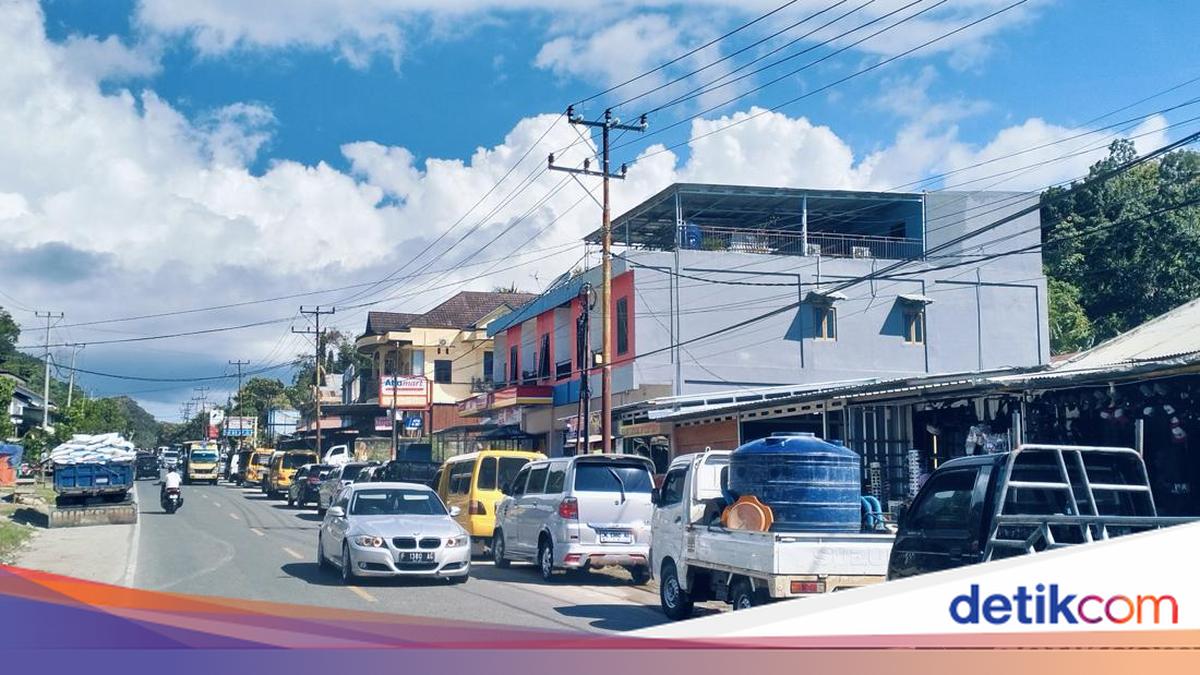
The Gerindra faction of the West Manggarai Regional House of Representatives (DPRD) has highlighted the high Budget Surplus (SiLPA) of the West Manggarai Regency, East Nusa Tenggara (NTT) 2025 Regional Budget (APBD), which has reached over Rp 102 billion. Meanwhile, several basic infrastructure developments, including roads, irrigation, and public service facilities, have not been undertaken.
This scrutiny was presented in the Gerindra faction’s general view regarding the Draft Regional Regulation (Ranperda) on the Accountability of the West Manggarability Regency 2025 Regional Budget Implementation, during the West Manggarai DPRD plenary session on Monday (8/6/2026). The Gerindra faction’s view was read by Kanisius Jehabut.
“For the Gerindra Faction, a surplus of this magnitude serves as a red alert for the budget management of West Manggarai Regency. On one hand, the community continues to complain about the limitations of basic infrastructure development, public services, and other developmental needs. On the other hand, there are funds that have not been optimally executed,” said Kanisius.
“In other words, there is money, but it cannot be utilised. There is a budget, but it does not translate into roads, bridges, clean water, irrigation, classrooms, health facilities, tourist destinations, or people’s economic programmes,” he added.
Kanisius explained that a large budget surplus often reflects immature planning, weak programme implementation control, technical unreadiness, procurement delays, and low budget absorption capacity.
“The Gerindra Faction requests the local government to explain in detail the components forming this surplus, including the regional apparatus organisations (OPD) contributing the largest share, programmes that did not run, activities that failed to be implemented, and corrective steps to ensure this surplus does not recur,” he asserted.
The Gerindra faction also highlighted the low performance of capital expenditure, which only realised Rp 92.85 billion or 75.61 per cent. Capital expenditure, Kanisius explained, is the government’s primary instrument for building infrastructure and public services that directly benefit the community.
“Even more concerning, the realisation of expenditure for roads, irrigation, and networks only reached Rp 24.22 billion or 55.29 per cent of the budget. This figure is very low amidst community complaints regarding poor road conditions, weak inter-regional connectivity, and the many road sections where construction remains unfinished,” said Kanisius.
He emphasised that the development of basic infrastructure connecting sub-districts must be a top priority. Infrastructure, he clarified, is not merely physical projects; it is the foundation for economic growth, equitable development, access to education and health, food distribution, tourism, and the strengthening of the community’s productive sectors.
“The low realisation of infrastructure expenditure is a serious note regarding the planning capacity and execution ability of the local government,” he said.
The Gerindra faction has called on the Regent of West Manggarai to conduct an evaluation of the technical regional apparatus organisations (OPD) managing capital expenditure. “The local government must explain which packages failed to be implemented, which were delayed, which remained unfinished, which underwent changes, and the causes behind the low realisation of expenditure for roads, irrigation, and networks,” concluded Kanisius.