
West Java’s MSMEs: From Promotional Platforms to Sustainable Markets
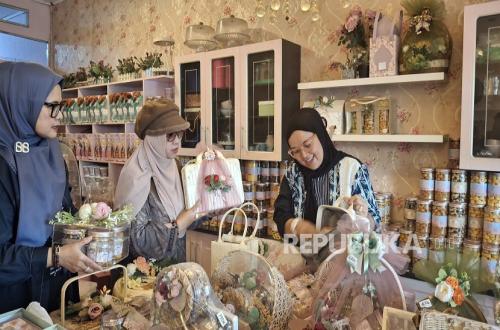
West Java has a large base of micro, small and medium-sized enterprises (MSMEs), as well as a responsibility to ensure that business owners have opportunities to grow. According to SIDT-UMKM data as at 31 October 2025, cited by ANTARA, around 30.19 million MSMEs were registered nationally, with approximately 5.4 million in West Java. The figures should be read in light of the system’s coverage, but they indicate the scale of the need for business support in the region.
West Java’s participation in the 2026 Indonesia Sharia Economic Festival (ISEF) points to potential worthy of recognition. The event is scheduled to take place on 14–18 October 2026, so participation figures should be distinguished from a final event report.
According to the figures used for this article, 14 fashion MSMEs and 12 food and beverage MSMEs took part. Seven MSMEs joined business-matching sessions with overseas buyers, while eight participated in modest-fashion activities. These figures have not been added together because the number of unique participants is unknown and businesses may have taken part in more than one activity.
The same record notes that two West Java representatives won third place in the professional and vocational/open categories of a halal-chef competition. It also reports that one pesantren (Islamic boarding school) in the Gerbang Santri programme was among three nationally selected pesantren for its bottled drinking-water product. Achievements in the Indonesia Muslim Travel Index add to opportunities to develop Muslim-friendly tourism, culinary businesses, fashion and pesantren enterprises.
These achievements provide grounds for optimism, but do not represent the condition of all MSMEs in West Java. The challenge is to broaden business support and ensure promotional opportunities lead to follow-up.
Nationally, Bank Indonesia reported that ISEF 2024 featured around 5,000 leading sharia MSMEs and recorded sales turnover of Rp115 billion as at 2 November 2024. This is an organiser’s report, not a measure of business profit or long-term impact.
For ISEF 2025, Bank Indonesia reported the participation of more than 700 sharia business players, including MSMEs, industry, financial institutions, creative-industry players and investors. As the two figures cover different groups, they cannot be used to infer a change in the number of MSME participants.
From a marketing perspective, exhibitions raise visibility and create opportunities to engage with potential customers. However, their impact on trust and purchases depends on quality, communication, service and follow-up. A product that attracts attention will not necessarily be bought, and a first purchase does not guarantee a repeat one.
The same applies to halal products. Certification is an important part of consumer information and trust, but it needs to be accompanied by clear benefits, consistent quality, appropriate pricing and easy access to the product. The participation of seven MSMEs in business matching also needs to be monitored: meetings with overseas buyers do not in themselves demonstrate that contracts have been signed or exports made. Sampling, specifications, negotiations, production capacity, logistics and payment are all stages requiring support.
The Halal Product Assurance Agency (BPJPH) announced a quota of 1.35 million free halal certificates for micro and small businesses through SEHATI 2026. This is a quota, not the number of certificates already issued, so businesses need support to make use of it.
On the market side, the Ministry of Trade reported providing assistance to 6,066 MSMEs throughout 2025, with potential transactions of Rp170.6 billion. The figure does not exclusively cover halal MSMEs and cannot be treated as sales that have already been paid for.
Malaysia offers an example of linking promotion with buyers. MATRADE reported sales of RM4.3 billion at MIHAS 2024, up 34 per cent from the 2023 figure. This is an event result reported by the organiser, not participants’ profits or Malaysia’s total halal exports. At MIHAS 2025, more than 4,000 business meetings were reported through the International Sourcing Programme. The HALMAS status used by the Halal Development Corporation also underscores the importance of developing halal zones and an ecosystem.
Source: jawawa.id (https://jawawa.id/newsitem/west-javas-msmes-from-promotional-platforms-to-sustainable-markets-1792374630)
Originally published by Republika (https://opini.republika.co.id/berita/tn4ran430/umkm-jawa-barat-dari-panggung-promosi-menuju-pasar-yang-berkelanjutan), translated from Indonesian