
West Java's Lebaran Economic Circulation in Trillions, Iwan Suryawan Urges Reforms at Sayang Heulang
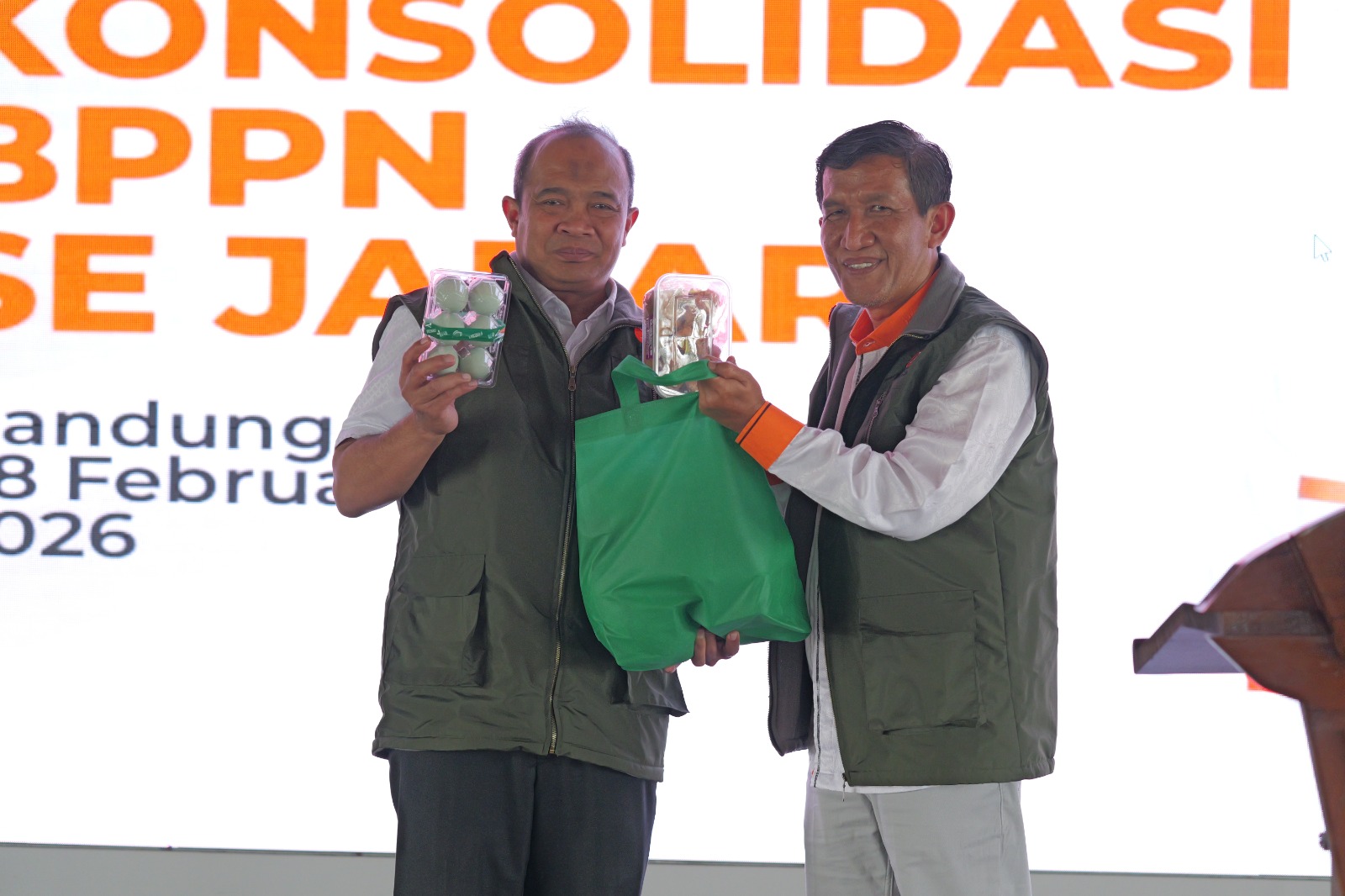
West Java’s Deputy Chairman of the Regional People’s Representative Council (DPRD), Iwan Suryawan, highlighted a contradiction between the surge in tourist visits and the quality of on-site services during the 2026 Lebaran holiday period. According to data from the Qinanti-Siparbud System as of 28 March 2026, tourist visits to West Java reached 1,387,211 people—a massive figure that must be accompanied by transparency in management.
The Chairman of the West Java PKS Regional Leadership Council emphasised that West Java is a major contributor to the national money circulation, projected by the Indonesian Chamber of Commerce and Industry (Kadin) to reach Rp148.3 trillion to Rp161.8 trillion during this year’s Lebaran break. In his view, this extraordinary economic potential must not be undermined by practices that erode public trust.
“The figure of 1.3 million tourists is not just a statistic; it is an economic mandate from the people. However, I deeply regret the emergence of tourist complaints regarding the discrepancy in ticket prices at Sayang Heulang Beach in Garut, which has gone viral on social media,” he stated on Sunday (29/3).
This senior politician urged the West Java Culture and Tourism Office (Disparbud Jabar) and the Garut Regency Government to immediately conduct field inspections for clarification and firm action. Reports from tourists mentioning charges of Rp45,000 while the physical ticket states Rp15,000 have created uproar and a negative image for West Java’s tourism.
“Do not let this hang unresolved. There must be an investigation into whether this is purely a ticket logistics error or if there are individuals deliberately manipulating it. If the tickets are old stock, explain it officially; do not let the public assume this is organised extortion,” Iwan stressed.
This evaluation is based on real data from Disparbud, showing popular destinations like the Al Jabbar Grand Mosque with 202,250 visits and Pangandaran Beach with 155,284 visits, which are systematically monitored as crowded and positive.
He assessed that if ticket management at other destinations remains chaotic like at Sayang Heulang, the potential for regional revenue (PAD) and small and medium enterprises (UMKM) economy will not be optimally absorbed.
Iwan emphasised the importance of maximising tourists’ length of stay. With average hotel occupancy in West Java reaching 60% to 70%, he hopes managers can provide price certainty and comfort so tourists do not feel deterred.
“We do not want tourists to visit only once and then be put off because they feel ‘squeezed’ on the ground. The tourism sector contributes a large portion to household consumption in West Java’s Gross Regional Domestic Product (PDRB). We must safeguard this ecosystem with professionalism,” he added.
Besides ticket issues, Iwan also spotlighted traffic management in the Lembang area, which has absorbed more than 166,000 tourists. He appreciated police efforts but urged local governments to more seriously consider parking pockets and public transport to tourist spots.
Given the high economic circulation, Iwan encouraged accelerating the use of QRIS (Quick Response Code Indonesian Standard) across Tourist Attractions (DTW). Cases of discrepancies between physical ticket amounts and on-site payments, like in Garut, could be avoided if the payment system is digitally integrated and traceable via the Siparbud system.
“Digitalisation is not just a trend but a necessity for transparency. If our ticketing system is already e-ticketing, there will be no gaps in price differences between tickets and field payments. This must be the target for post-Lebaran evaluation,” he asserted.
Environmental aspects are also a key note. With millions on the move, waste volume in Puncak and southern West Java has surged dramatically. Iwan requested that tourism managers have more responsive waste mitigation schemes to preserve the natural beauty.
From a macro-economic perspective, Iwan described the Lebaran spending spike as a strong fiscal stimulus for West Java’s economic growth in the first quarter of 2026. However, he reminded that this growth must be inclusive for local business actors.
“The trillions of rupiah projected by Kadin must truly trickle down to small traders, souvenir craftsmen, and local tour guides. It should not evaporate due to leaky parking and ticket management,” he stressed.
Abah Iwan also called on the public to prioritise safety during travel. He urged tourism managers to conduct regular safety checks on amusement rides to ensure visitor safety and avoid fatal incidents.
In conclusion, he affirmed that the West Java DPRD, through relevant commissions, requests a joint evaluation with Disparbud to establish steps ensuring permanent solutions to classic tourism problems in West Java.