
West Java Trade Surplus Driven by Five Key Export Categories in Early 2026
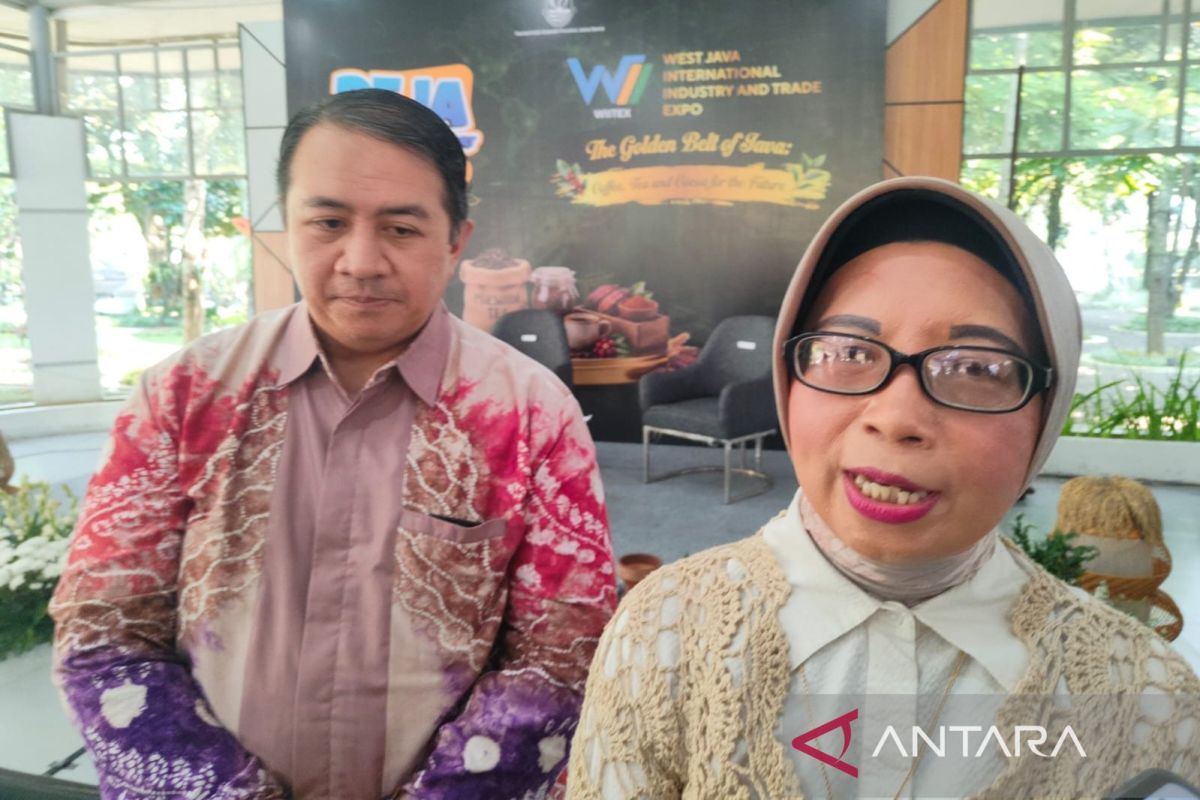
Bandung (ANTARA) - The West Java Industry and Trade Office (Indag) has revealed that five export commodity groups, ranging from machinery to textiles, propelled the province’s trade balance into a positive position during the January to April 2026 period. “Our trade position is good for January to April; we recorded a surplus of nearly USD 9 billion. Our exports are dominated by five types: vehicles and parts, electrical and mechanical machinery, knitted goods, footwear, and rubber products,” said Head of the West Java Industry and Trade Office Nining Yulistiani in Bandung on Wednesday. However, Nining acknowledged that her office is closely monitoring the movement of raw material and auxiliary material imports for the manufacturing sector to anticipate a decline in industrial productivity. She noted that nearly all of West Java’s products, including the five leading export commodities, rely on imported raw materials. This vigilance is intended to prevent a production downturn that could have widespread effects, potentially triggering a wave of layoffs. “We are concerned about that. Currently, the situation is still within a safe framework and not too far off. Our import position in April was USD 1.1 billion. So far, it is not much different from the previous month, but we need to monitor this,” Nining said. Regarding the rupiah, Nining explained that fluctuations in the domestic currency’s exchange rate are highly sensitive to the production utility of factories in West Java, the majority of which still depend on imported component supplies. If import restrictions persist for a long time, the knock-on effects will directly hit the employment sector. “This could subsequently reduce the productivity level of industries, and this might eventually impact the workforce, production, and so on,” Nining stated.