
West Java Targets Hundreds of Intangible Heritage Assets to be Secured via Research Investment
The West Java Provincial Government, through the Department of Tourism and Culture, is becoming increasingly aggressive in protecting traditional culinary arts from extinction and unilateral claims by other nations. One key strategy involves integrating scientific research and technology, such as expertise from the Bandung Institute of Technology (ITB), into cultural preservation.
Iendra Sofyan, Head of the West Java Tourism and Culture Department, stated in Bandung on Wednesday that this strategic move, which includes developing fermentation technology for culinary arts, is intended to bolster West Java’s achievement of securing official certification for 200 Intangible Cultural Heritage (WBTB) assets by 2025. Iendra emphasised that the authenticity of traditional cuisine is now being strengthened through scientific documentation and fermentation technologies developed by ITB. This ensures that every ancestral recipe has a clear blueprint and is legally recognised through Intellectual Property Rights (IPR).
“Last year, we successfully submitted 200 WBTB assets to the national level, including culinary products. We have agreed with the West Java Regional House of Representatives (DPRD) to set high targets so that this traditional heritage can be promptly protected through clear proposals, preventing it from being claimed by other countries or communities,” said Iendra.
According to Iendra, fermentation technology was essentially already applied naturally by West Java’s ancestors using leaf wrappers. However, the introduction of modern ITB research, utilising measured bacterial processes, can make these methods more consistent and ready for industrial standardisation without losing their traditional value.
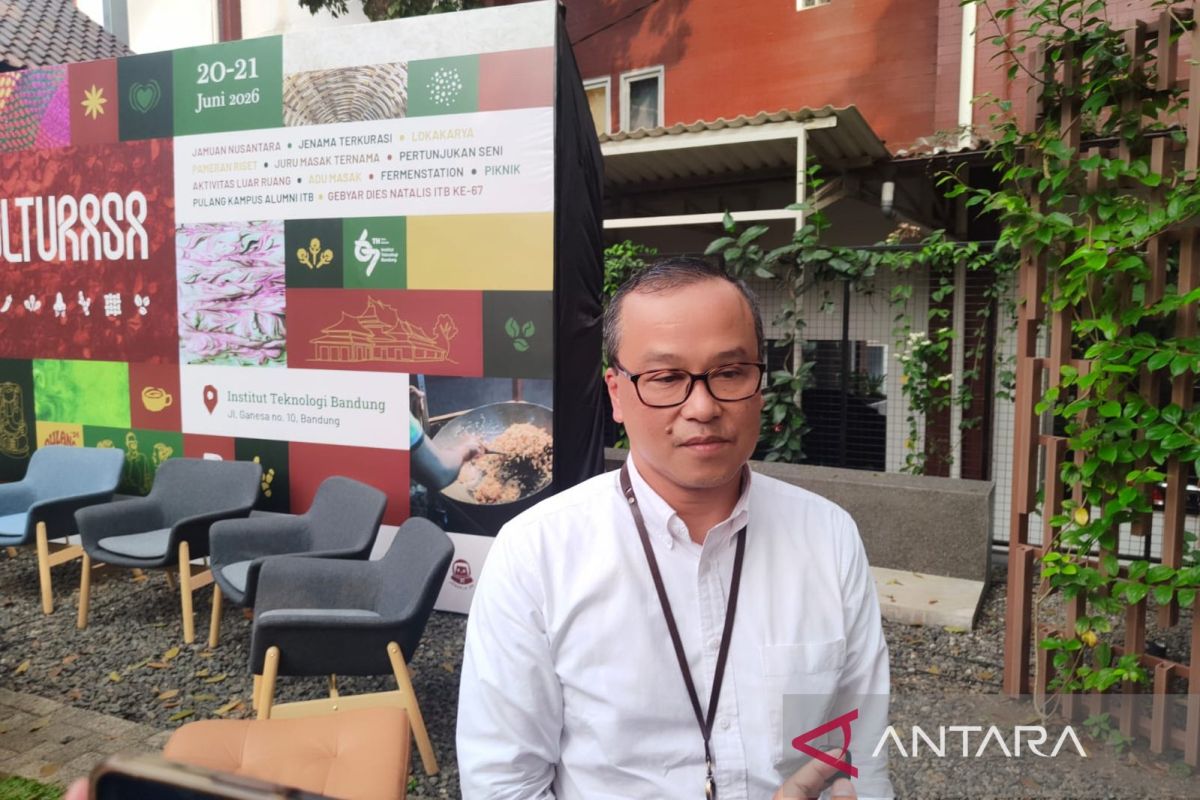
Meanwhile, the Vice Rector of ITB, Andry Alim Kusmara, stated that their commitment to supporting food technology will be showcased at the ‘Akulturasa Festival’ on 19 June 2026, which intentionally blends elements of scientific innovation with local cultural values. “This festival will feature old traditions, traditional food processing, local food ingredients, and traditional wisdom married with innovations born from science and technology. We are presenting unique foods that have undergone strict curation, rather than common foods,” said Andry.
The food research involves collaboration between the School of Life Sciences and Technology (SITH), the Faculty of Industrial Technology (FTI)—specifically Food Technology—the School of Pharmacy for health aspects, and the Faculty of Art and Design (FSRD) for product packaging. The festival, held in collaboration with these partners, aims to ensure that university-curated food innovations do not remain confined to laboratories but are instead adopted by entrepreneurs to boost the local economy. “Our researchers and students are very excited because their work does not just end in the classroom but provides a real impact. Moving forward, we hope many ideas will emerge from MSMEs and the community to utilise ITB’s technology to enhance the economy,” added Andry.