
West Java Records 0.07% Deflation in April 2026 Amid Normalisation of Post-Eid Prices
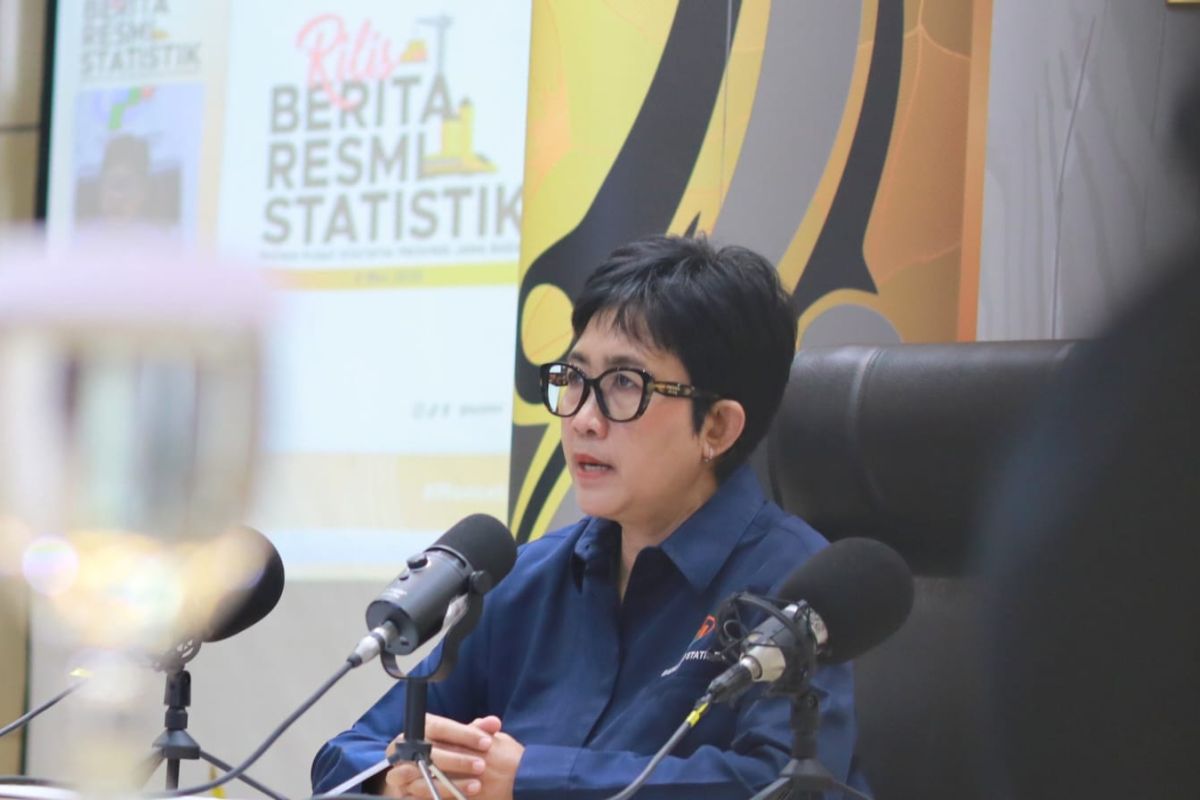
Bandung, West Java (ANTARA) - The Central Statistics Agency (BPS) recorded deflation in West Java amounting to 0.07% on a monthly basis (month-to-month/mtm) in April 2026 compared to March 2026, triggered by the normalisation of food prices and transport tariffs following the end of the Eid period.
The Head of BPS West Java, Margaretha Ari Anggorowati, in Bandung, West Java, on Monday, revealed that this price decline trend contrasts with the conditions in March 2026, which experienced inflation of 0.52%.
On an annual basis (year-on-year/yoy), inflation was at 2.49%, while calendar year inflation (year-to-date/ytd) reached 1.17%.
“The deflation in April 2026 was driven by post-Idul Fitri price normalisation, particularly in food commodities such as broiler chicken meat, broiler eggs, cayenne pepper, as well as the decline in inter-city transport fares,” said Ari.
Ari explained that, besides domestic factors such as the slowdown in public consumption after the holiday, external factors like the decline in global gold prices also contributed to the deflation in West Java.
Based on spatial data, out of the 10 regencies/cities monitored in West Java, nine regions recorded deflation.
Subang Regency was the region with the deepest deflation at 0.28%.
In contrast, Sukabumi City was the only region still experiencing inflation of 0.04%.
Regarding the annual inflation figure at 2.49%, Ari stated that this number reflects the current real market conditions.
“It is already free from the low base effect of last year’s electricity tariffs, so this figure reflects the actual yoy inflation,” she said.
Although monthly deflation occurred, BPS noted that several commodities still significantly contributed to annual (yoy) inflation.
Jewellery gold was the highest contributor at 0.81%, followed by broiler chicken meat (0.21%), rice (0.17%), cooking oil (0.09%), and household fuel (0.08%).