
West Java Provincial Government Strengthens Forest Fire Prevention Measures During Dry Season
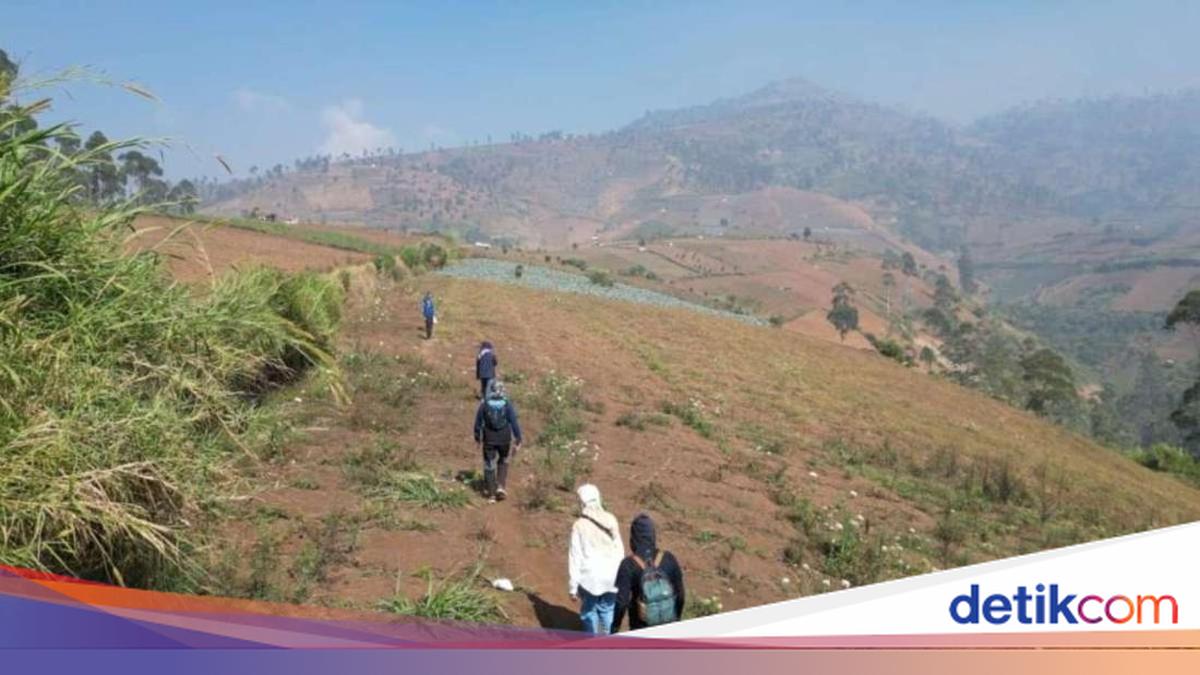
The West Java Provincial Government is strengthening measures to prevent forest and land fires (karhutla) in anticipation of increased risks during the dry season. Efforts include patrols in vulnerable areas, monitoring forest cover conditions, public education, and enhanced cross-sector coordination.
Head of the West Java Forestry Service, Dodit Ardian Pancapana, stated that these steps are being taken to minimise the potential for karhutla as early as possible. According to him, prevention needs to be bolstered as weather conditions become increasingly dry.
“Together with various parties, we continue to intensify regular patrols in vulnerable areas, monitor forest cover conditions, promote educational outreach, and strengthen cross-sector coordination to minimise the risk of forest and land fires,” he said in a written statement on Friday (14/8/2026).
He also stressed the importance of the community’s role in preventing fires. Residents are urged not to clear land by burning, to avoid burning rubbish near forest areas, to ensure campfire remnants are completely extinguished, and not to discard cigarette butts carelessly.
If indications or hotspots are found, the public is expected to report them immediately to the nearest agency.
Vigilance needs to be heightened because dry weather, low rainfall, and reduced moisture content in vegetation make forest and land areas more susceptible to burning. The majority of karhutla incidents in Indonesia are also recorded as being caused by negligence and human activity.
The impact of fires is not limited to damaging vegetation. Karhutla can also threaten wildlife habitats, degrade soil quality, accelerate greenhouse gas emissions, and trigger smoke that reduces air quality and affects residents’ health, particularly children and the elderly.
“Preserving forests as life support systems, providers of clean water, and carbon sinks is a shared responsibility,” he asserted.
Prevention efforts are also being carried out by the West Java Regional Disaster Management Agency (BPBD) to anticipate karhutla, especially as the dry season sets in.
Head of BPBD West Java, Teten Ali, said the measures include increased monitoring of fire-prone areas, dissemination of early warning information, and strengthened coordination with district/city BPBDs, the Indonesian National Armed Forces (TNI), the National Police (Polri), local governments, volunteers, and the community.
BPBD is also enhancing education to ensure the public does not burn land carelessly, does not discard cigarette butts in dry areas, and is more concerned about the surrounding environment.
“The readiness of personnel and firefighting equipment is also being continuously strengthened to enable a rapid response if an incident occurs,” he concluded.
Through the synergy of various parties, the West Java BPBD is working to reduce the risk of land fires while ensuring that handling can be carried out quickly, precisely, and in an integrated manner. These measures are expected to minimise the impact of karhutla on the community and the environment.
According to BPBD West Java data as of 10 August 2026, there have been 90 karhutla incidents across 72 sub-districts in West Java. Sumedang Regency recorded the highest number of incidents with 16, followed by Majalengka Regency with 11 and Bandung Regency with 8.