
West Java Provincial Government Distributes 8.7 Million Litres of Water to Residents During Dry Season
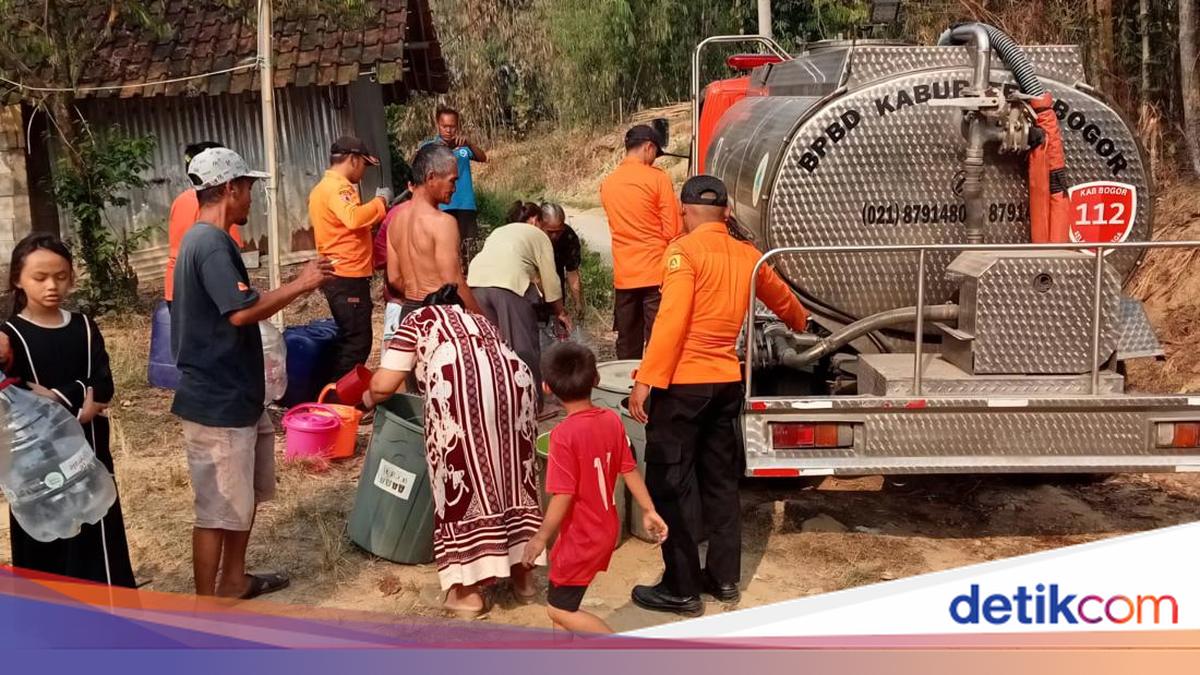
The West Java Provincial Government, together with several parties, has distributed 8.7 million litres of clean water to communities facing water shortages during the dry season. As of 10 August 2026, water distribution has been carried out to 23 regencies and cities in West Java.
“Clean water assistance to the community does not only come from the regency/city BPBD, but also from Baznas, the Indonesian Red Cross (PMI), PDAM, and the River Basin Agency (BBWS). In addition, the District Military Command, communities, and the business sector are also involved,” said the Chief Executive of the West Java Regional Disaster Management Agency (BPBD), Teten Ali, on Tuesday (11/8/2026).
Teten stated that the three areas receiving the most clean water distribution were Bekasi Regency with 3.8 million litres, Bogor Regency with 1.5 million litres, and Karawang Regency with 595,000 litres. The large-scale distribution of clean water to these three areas was carried out considering the high number of residents affected by water source droughts. In Bekasi Regency, the number of residents affected by water source drought is 44,892 people, spread across nine sub-districts.
Meanwhile, in Bogor Regency, 170,892 people in 30 sub-districts are affected by water source drought. In Karawang Regency, 27,553 people in five sub-districts are experiencing water source drought. The total number of residents affected by water source drought in West Java is 450,383 people, comprising 140,765 families. They are located in 153 sub-districts across 334 urban wards/villages.
In addition to distributing clean water, the West Java Provincial BPBD is also lending several water- tanker trucks for clean water distribution in regencies and cities. Teten revealed that his agency is also continuously mapping the dynamics of potential threats, socialising drought mitigation efforts on social media, and coordinating the availability of clean water with other agencies that have resources.