
West Java Province: Foreign investment reaches Rp132 trillion by September
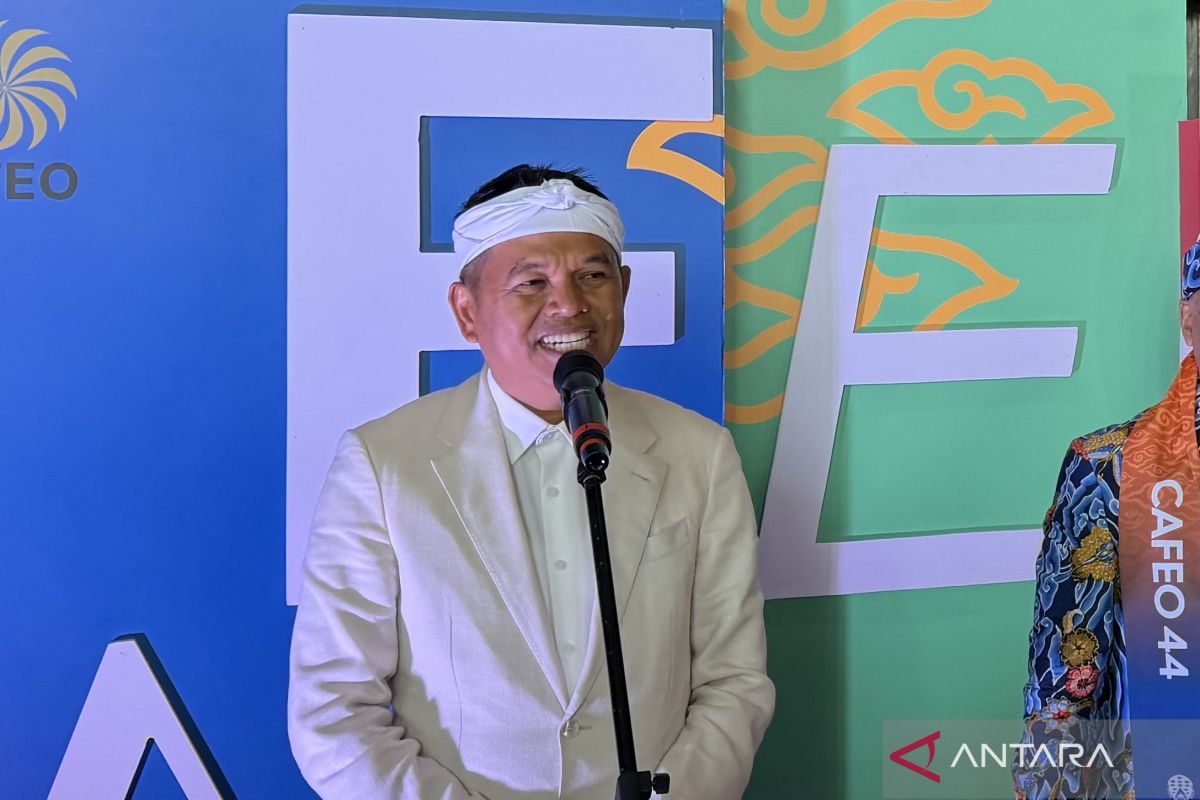
Bandung (ANTARA) – The West Java Provincial Government recorded Rp132 trillion in foreign direct investment (FDI) from January to September 2026, equivalent to 17.9 per cent of Indonesia’s national foreign investment total over the same period.
West Java Governor Dedi Mulyadi said the achievement needed to be matched by improvements to factors supporting investment, from faster permits to better infrastructure connectivity, so investors could operate smoothly and expand employment.
“When problems arise, I often accompany businesspeople as they communicate with various agencies, including meeting ministers to discuss the issues,” Dedi said in Bandung on Tuesday.
He said the FDI figure strengthened West Java’s position as one of the leading destinations for global investors in Indonesia, particularly in the industrial and manufacturing sectors.
Infrastructure readiness was an important factor in attracting investment, he said. Support from toll roads, electricity networks, telecommunications, gas pipelines and clean-water systems needed to be ensured so industrial activity could run optimally.
“Investment will come when the toll roads are good, and the electricity, telecommunications, gas pipeline and clean-water networks are connected,” he said.
As well as infrastructure, he stressed the importance of swift permitting and local government support in resolving obstacles faced by businesses.
“Permits must be issued quickly, and infrastructure must be built properly,” Dedi said.
He said industrial areas in Bekasi and Karawang, along with the development of the Rebana area, including Subang and its surroundings, were important parts of West Java’s manufacturing ecosystem.
Dedi added that investment should deliver tangible benefits to the public, particularly through job creation, increased economic activity and growth in local government revenue.
“If we invest Rp500 billion but create 100,000 jobs, generate tax revenue and economic activity, and develop infrastructure that then contributes to local government revenue, that is far more beneficial,” he said.