
West Java Postpones 2026 Provincial MTQ as Garut Withdraws as Host Due to Budget Constraints
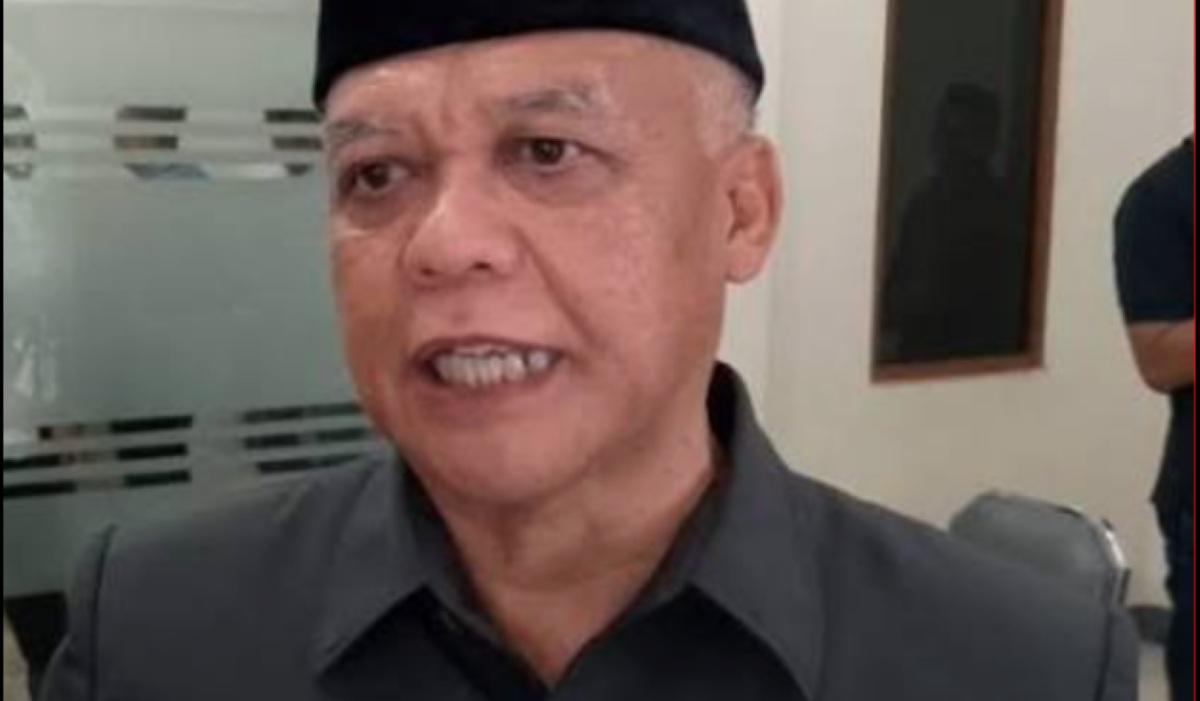
The West Java provincial government has officially postponed the 2026 Provincial Musabaqah Tilawatil Qur’an (MTQ) following the withdrawal of Garut Regency as host due to budget limitations. The decision was announced after Garut formally notified the province of its inability to finance the annual Islamic recitation competition.
Asep Sukamana, Chairman of the West Java Lembaga Pengembangan Tilawatil Qur’an (LPTQ), stated that the provincial government had approached other regions to replace Garut, but none were willing to take on the responsibility. ‘Initially, Garut was the host, but they sent a letter stating they could not proceed due to budget issues. West Java Province has asked several other regions to step in, but none were interested,’ Asep said in Tasikmalaya on Monday (3/8/2026).
Asep explained that limited fiscal capacity was the main reason other cities and regencies declined to host the event. Ideally, the budget required to organise the provincial-level MTQ is under IDR 10 billion. However, most regions are currently facing financial constraints. The matter was reported to the Governor of West Java, and based on the leadership’s directive, the provincial MTQ is now planned to be held in 2027.
‘So, there is no plan for this year. The Governor’s instruction is that it will be held in 2027,’ the former Acting Mayor of Tasikmalaya confirmed. The postponement has drawn protests from several local governments, as many regions have already completed their district-level MTQ selections and were prepared to send their contingents to the provincial level.
Aside from regional budget issues, Asep noted that the provincial MTQ schedule coincided with the National MTQ in Semarang. However, he stressed that the cancellation was purely due to fiscal conditions and the absence of a region ready to host the event. ‘We will hold a working meeting to discuss future possibilities one by one. But generally, this is purely because of the regional fiscal situation,’ he concluded.